


















































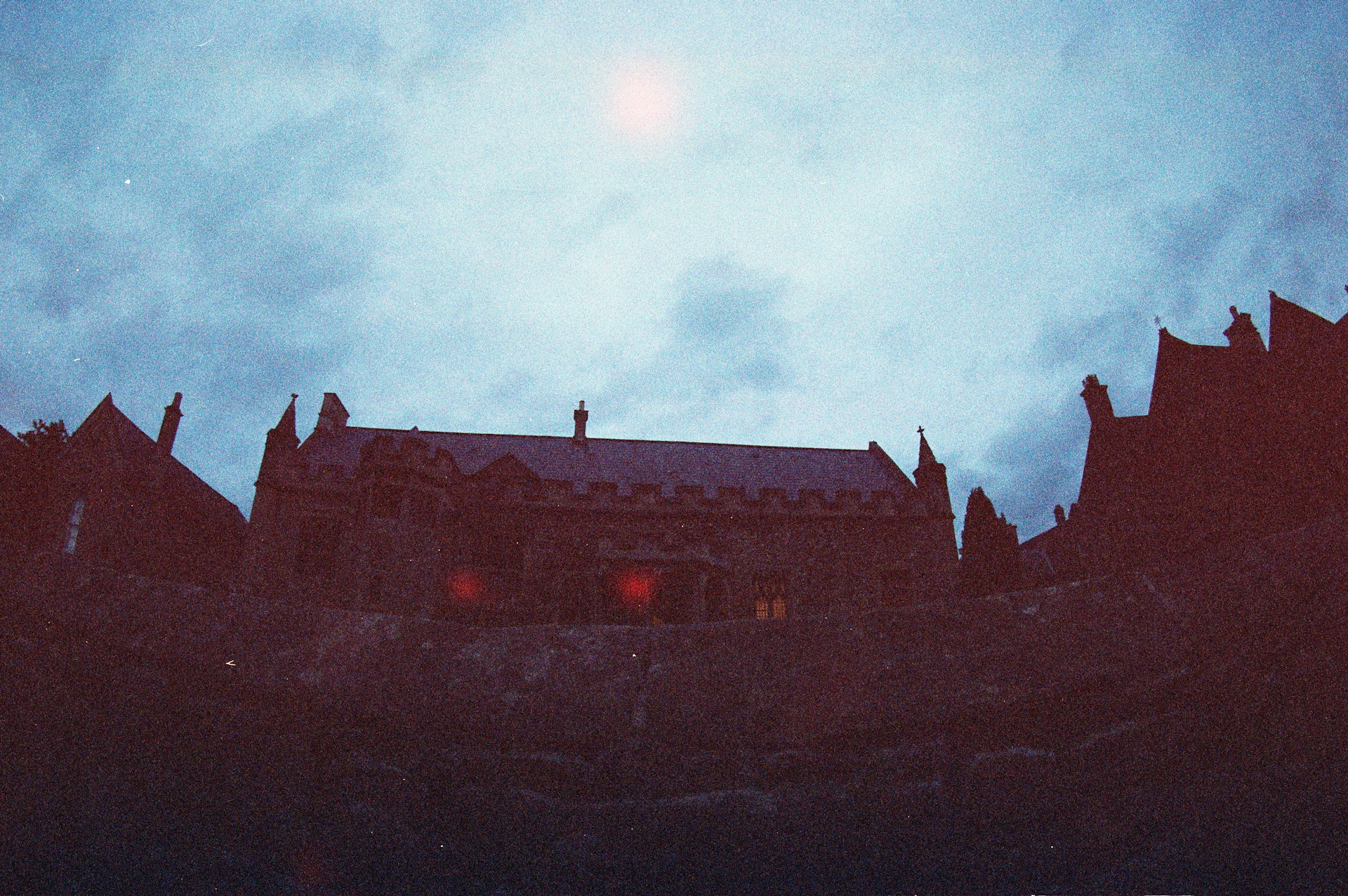
The world’s copped a fair bit. By 2026, there’s a low-key tension humming under day-to-day life, and the usual beach getaway doesn’t do the trick for everyone anymore. Somewhere along the bounce-back, something shifted. Trips to disaster sites, ghost towns, and memorial grounds started filling up. Not out of grim curiosity, but because people were chasing a bit of quiet in the noise. This is reflective dark tourism, where stepping into heavy history works more like a reset than a thrill.
From Rubbernecking to Reflection
Old dark tourism had a bad reputation. Tourists snapped selfies at Auschwitz. They posed up in front of Chernobyl’s ferris wheel. Academics labelled it voyeurism, and fair enough.


But by 2024 and 2025, something started to change. Researchers found that visitors who showed up with a bit of intention and awareness were reporting lower anxiety even weeks after getting back home. The experience was not exploiting trauma. It was processing it.
What separates healing dark tourism from mere spectacle:
- The visitor arrives with a specific intention to learn, not to gawk
- Guides focus on human stories rather than graphic details
- The site includes quiet spaces for reflection and emotional regulation
- Visitors spend time processing the experience before leaving
- Post-trip integration resources are offered (journals, group discussions)
These conditions turn a potentially disturbing visit into something closer to exposure therapy. The traveller confronts fear in a controlled environment and walks away lighter.
How Mortality Mediation Actually Works
Professor Philip Stone, one of the key voices in dark tourism research, frames these places as contemporary, non-religious forms of pilgrimage. In his view, they operate as memento mori — encounters with mortality that, somewhat counterintuitively, prompt a deeper appreciation of life.
The mechanism plays out in three stages:
- The visitor witnesses suffering at a safe distance.
- The brain draws parallels to personal fears and losses.
- A quiet realisation settles in: others survived worse, and so will I.
Consider the beaches of Normandy. A traveller standing there in 2026 is not thinking about dying. They are thinking about how young soldiers walked through hell and kept moving. Two years later, when that same traveller faces a health scare or a financial collapse, the memory of Normandy activates.
When Curiosity Becomes a Healthy Habit
Take the online entertainment space as an example. A person might come across casinos accepting low deposits at minimum-deposit-master.com while browsing late at night. The offer feels exciting, but also slightly uncertain. Early reviews may be mixed: some players praise the wins, while others complain about bad luck. That is where the moment of choice begins.
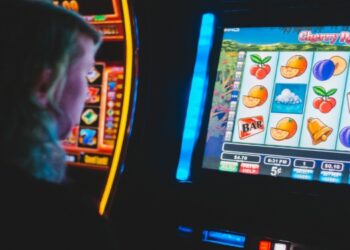
That same curiosity, when approached with clear eyes and a small budget, transforms into pure fun. An online casino Australia regular might start with twenty dollars and a healthy scepticism, then discover that pokies are just games of chance dressed up in flashing lights. No different from buying a lottery ticket or betting on the footy with mates.
For those who enjoy spinning reels from the couch, pokies online offer the same thrill as a Vegas night without the plane ticket. The smart ones set a timer and a loss limit, then walk away whether they are up or down.
Pokies online PayID make the whole process seamless — deposit, play, withdraw, done. The curiosity that could have been a problem becomes a harmless Tuesday night ritual. Sometimes it even pays for dinner.
3 Steps to Try Dark Tourism the Right Way
The difference between a healing trip and a haunting one comes down to preparation.
- Read the history first. Show up knowing what happened and why. The emotional work starts before the plane lands.
- Hire a guide trained in reflective practice. Ask specifically whether the tour includes quiet moments for processing, not just facts and figures.
- Book a buffer day afterward. Do not fly home the same evening. Spend a night somewhere calm with good food and a notebook. Let the experience settle.
Applying these steps is what turns the experience into something constructive rather than unsettling. Without that groundwork, a visitor can come away more affected than before, whereas proper preparation often leads to a sense of resolution and calm.
The Quiet Revolution
For those carrying the weight of everything going on, dark tourism in 2026 offers an unexpected kind of release. Not the easy escape that fades the moment the return flight lands, but something more stable, shaped by direct encounters with difficult places and their history.
A well-framed experience does not break a person down. It steadies them, adds a sense of grounding, and leaves behind a kind of lightness that does not feel superficial. Researchers describe this as post-traumatic growth — a process unfolding right now through deliberate, mindful engagement with these environments.