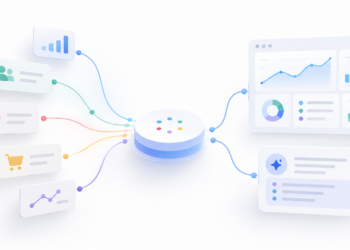




















































Growing a business is exciting. But it can also get a bit mental once things start picking up speed. What worked when you had a small team and a manageable workload can suddenly feel clunky and outdated. That’s why technology becomes such a big deal as your business grows.
These days, there are tools for pretty much everything. The right technology helps eliminate repetitive tasks that eat into the working day. For example, project management software allows everyone to see deadlines, responsibilities, and progress in one place. No endless email chains. No hunting through old messages trying to find who approved what three weeks ago.


Customer relationship management systems can be equally useful. Every interaction, enquiry, and sales opportunity sits in one central location. Automation is another area worth looking at. Even simple automations can have a massive impact.
Adopting different methodologies for efficiency
Throwing technology at a problem doesn’t always fix it. If the underlying process is messy, expensive software won’t magically make everything run smoothly. It just allows people to complete inefficient tasks faster.
That’s why many businesses look at proven improvement frameworks. One of the most recognised approaches is Lean Six Sigma. While it originally gained popularity in manufacturing, its principles now apply to almost every industry imaginable.
At its core, the methodology focuses on removing waste, reducing mistakes, and improving consistency. Simple idea. Surprisingly powerful when applied properly, as it uses a system of “belts” similar to martial arts, so a black belt for example is a really high qualification.
Better processes also tend to improve customer experiences. Faster response times, fewer mistakes, and more reliable service are things customers notice straight away.
Training employees
A growing business is only as strong as the people behind it. You can invest in the latest systems and develop brilliant processes, but if employees aren’t properly trained, efficiency will always suffer.
Training is often viewed as an expense when it should really be seen as an investment. Employees who understand their roles fully can complete tasks more accurately and with greater confidence. Less confusion means fewer mistakes. Fewer mistakes mean less time spent fixing problems later.
The good news is that effective training doesn’t always require massive budgets. Sometimes regular coaching sessions, internal workshops, or short online courses can make a noticeable difference.
Learning should never stop after onboarding. That’s where many companies get it wrong. People need ongoing opportunities to develop new skills, improve existing ones, and stay up to date with changing processes.
Well-trained employees are often more motivated as well. Most people enjoy feeling competent at what they do. It boosts confidence and reduces frustration during busy periods.
Cross-training can also be incredibly valuable. If multiple team members understand different parts of the business, operations become far more flexible. Someone goes on holiday? No panic. A colleague is off sick unexpectedly? The work can still move forward.
Embracing remote work
Remote working has completely changed how many businesses operate over the past few years. What was once considered a perk has become a normal part of working life for many organisations.
When managed properly, remote work can improve efficiency in several ways. Businesses can also reduce certain overhead costs. Smaller office spaces, lower utility bills, and reduced facility expenses can create meaningful savings over time. Every pound counts when you’re scaling up.
One of the biggest advantages is access to talent. You’re no longer restricted to hiring people who live within commuting distance of the office. That opens up a much larger pool of skilled candidates. Of course, remote work isn’t simply about letting people stay at home. It requires structure, communication, and trust. Teams need clear expectations and reliable collaboration tools to stay aligned.
Regular check-ins help as well. Not because managers need to monitor everyone constantly, but because communication gaps can quickly create confusion if left unchecked.
Building a culture of continuous improvement
The most efficient businesses rarely stand still. They understand that improvement isn’t a one-off project. It’s an ongoing process that becomes part of the company’s culture.
One of the smartest things a company can do is encourage employees to share ideas. The people performing tasks every day often spot inefficiencies long before management notices them. They see the little frustrations, delays, and unnecessary steps that can quietly drain productivity. Even simple habits can make a difference. Regular process reviews, team discussions, performance tracking, and feedback sessions help keep improvement front of mind.