





















































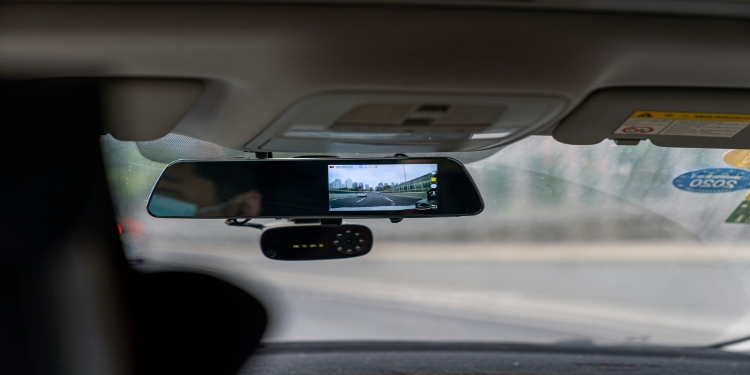
A few years ago, dashcam footage was a novelty in UK courtrooms and insurance offices. Now it’s one of the most important pieces of evidence in a road accident claim. Insurers have caught on. Solicitors have caught on. And so have fraudsters.
Below is a full breakdown of how this technology is reshaping every stage of the claims process.


Faster Liability Decisions After a Crash
Disputed liability used to drag claims out for months. Both parties would send in their version of events, insurers would weigh one against the other, and the whole thing would stall in a back-and-forth that didn’t feel fair to anyone involved.
Dashcam footage cuts through all of that. When there’s clear video of what happened, adjusters can reach a liability decision much faster. Some claims that would’ve taken weeks to sort are now getting closed in days.
That speed really does matter. Every day a claim sits unresolved is another day a driver could be without their car, chasing updates, or waiting around for a hire vehicle. Footage that pins down fault early removes a lot of that uncertainty.
How Fraudulent Claims Are Losing Ground
Crash-for-cash fraud has cost the UK insurance industry hundreds of millions of pounds over the years. Staged collisions, where fraudsters deliberately cause accidents so they can file false injury claims, have been a persistent problem on UK roads. Roundabouts and motorways tend to be the worst spots for it.
Dashcams have put a serious dent in this. Footage showing a car braking hard for no reason, or a driver waving someone forward before deliberately colliding with them, destroys the credibility of a fraudulent claim almost instantly. Both prosecutors and insurers have used dashcam evidence to take apart these types of staged accident rings.
For genuine drivers who get caught up in these situations, that footage can be the difference between keeping a protected no-claims discount and facing an unfair payout that pushes premiums up for years.
What to Do With Your Footage After an Accident
If you’ve been in an accident that wasn’t your fault, save your dashcam footage straight away. Most cameras overwrite old recordings automatically, so pulling the SD card or backing up the relevant clip as soon as you can is essential.
When working with an accident management company, drivers can submit their footage as part of the claims process. Having that evidence ready makes it much easier to establish what happened, challenge any contradictory account from the other driver, and move things forward without unnecessary delays.
It’s also worth knowing what actually makes footage useful in a claim. A clear, timestamped recording with decent audio and video quality will carry far more weight than something shaky or only partially captured. Key details that help include:
- The moment of impact and the events immediately before it
- The other vehicle’s registration plate
- Road conditions, traffic signals, or road markings at the scene
- Any exchange between drivers after the accident
Rear-Facing Cameras and Rear-End Collisions
Front-facing dashcams are far more common, but rear-facing units are growing in popularity, and it’s easy to see why. Rear-end collisions are among the most disputed types of accident, with at-fault drivers frequently claiming the vehicle in front braked without warning.
A rear-facing camera picks up the following distance the other driver was keeping, their speed on approach, and whether they made any attempt to avoid the collision. That footage makes it considerably harder to build a credible defence against what is, in most cases, a clear case of tailgating or inattention.
The Limits of Dashcam Evidence
Footage doesn’t guarantee a smooth claim. Camera angles can miss key details, and poor lighting or obstructions can reduce clarity. Insurers will still review the footage alongside other evidence, including witness statements and police reports.
There’s also a data protection angle worth knowing about. Under UK GDPR, dashcam footage that captures other people can fall under rules around how it’s stored and shared. Using it in a legitimate claims process is generally fine, but drivers should be mindful of their obligations if they’re sharing footage more widely than that.
The Important Takeaway
Dashcams have tipped the balance in favour of honest drivers. The technology won’t resolve every disputed claim, and it won’t wipe out fraud overnight. But it has made it much harder for someone to lie their way out of a collision they caused.
For anyone who spends a lot of time on UK roads, a dashcam is less of an optional extra and more of a sensible precaution. When something goes wrong, having a clear record of what actually happened is one of the most useful things a driver can have.

David Prior
David Prior is the editor of Today News, responsible for the overall editorial strategy. He is an NCTJ-qualified journalist with over 20 years’ experience, and is also editor of the award-winning hyperlocal news title Altrincham Today. His LinkedIn profile is here.