




















































Modern construction and live-event environments are driving the development of advanced solutions for site security and management. Recent technological innovations are directly impacting temporary perimeter systems, providing new advantages for safety, oversight, and operational efficiency. As project requirements become more demanding, changes in materials and the introduction of digital tools are influencing how sites are protected and managed.
Short-term site boundaries are now expected to meet higher standards for safety, flexibility, and compliance. Temporary fencing plays a key role in protecting assets, managing access, and supporting events or worksites in meeting regulatory obligations. With the growing need for rapid deployment and more effective oversight, the application of current technologies to these systems is becoming increasingly important. As industry practices develop, familiarity with these technological changes is valuable for those involved in site planning and operations.


Advanced materials and modular system design
Recent developments in temporary perimeter systems highlight improved durability and the use of lighter, more resilient materials. Manufacturers frequently incorporate alloys and robust coatings that help protect from corrosion and reduce wear over repeated installation cycles. These features contribute to better stability in challenging environments, without significantly increasing system weight.
Design improvements are intended to address potential risks such as unauthorised access or tampering. Anti-climb components are designed to make scaling difficult, while enhanced connectors and reinforced joints help keep panels in place and reduce incidents of tampering. Modular components allow teams to adjust site boundaries efficiently, supporting changes across project stages and minimising installation-related interruptions.
Digital access, sensors, and practical challenges
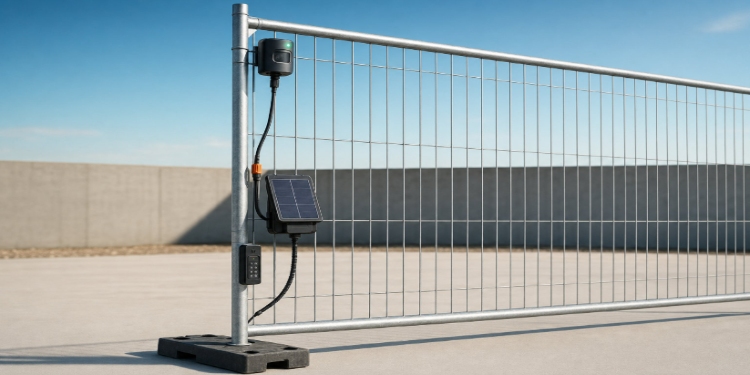
Many modern temporary site perimeter systems now offer digital access control at entry points, using electronic locks and systems to record entries and exits in real time. Time-stamped data from these systems can improve site oversight and enable better accountability during busy projects or larger events. Sensors are also being incorporated that detect motion, inclination changes, or attempts to breach the system.
Wireless monitoring can quickly notify staff of disturbances, but reliable performance depends on managing power availability and maintaining robust communication in outdoor environments. Sensor technologies must withstand weather and avoid excess false alarms that could distract or slow down responses. These practical obstacles can affect the speed at which new technologies are adopted, meaning careful planning is needed to integrate them into site operations.
Digital management, compliance, and data oversight
Technology also supports site management platforms that can track equipment, monitor asset locations, and improve overall reporting. Tools for asset tracking help organisations keep better control of temporary fencing resources and reduce the risks of misplaced or lost equipment. Digital records of inspections can also support maintenance routines and help ensure repairs are addressed promptly for compliance.
Data collected from perimeter systems can enable more detailed incident investigations and support better risk management, though it is important to recognise that no approach guarantees complete security. Combining temporary fencing solutions with digital documentation and oversight can help sites meet regulatory requirements and streamline interactions with authorities. However, setting realistic expectations for these systems and maintaining regular monitoring are essential for optimal results.
Operational benefits, privacy, and procurement issues
Adopting new technologies can lead to improvements in efficiency, such as faster installation and easier reconfiguration of modular systems. These changes can help minimise delays as project needs shift, with integrated digital tools supporting communication among site teams, contractors, and event organisers. Improved asset management and oversight may reduce costs related to misplaced equipment or unexpected replacements.
However, implementing digital monitoring also raises considerations around data protection and privacy, particularly when tracking site activity or personnel movements. Regulatory compliance requires clear policy development and robust data security. Compatibility is also a factor—temporary fencing technologies need to be capable of working with site management software and existing supplier arrangements.
When procuring updated systems, considerations should include component reliability, staff training, and overall lifecycle costs. Ongoing innovations in both materials and digital connectivity continue to deliver improvements for the sector. As these technologies evolve, those managing sites are tracking developments in automation, asset management, and system resilience to address ongoing demands in construction and live-event settings.

David Prior
David Prior is the editor of Today News, responsible for the overall editorial strategy. He is an NCTJ-qualified journalist with over 20 years’ experience, and is also editor of the award-winning hyperlocal news title Altrincham Today. His LinkedIn profile is here.