



















































Australia’s mining and transport industries continue to create strong demand for skilled workers who understand safety, compliance, and operational responsibility. As worksites become more regulated and safety-focused, employers increasingly look for people with nationally recognised training and leadership capability.
Whether working in mining operations or heavy vehicle transport, professional training can improve employability, strengthen workplace confidence, and support long-term career development.


Mining Supervisors Play a Critical Role in Workplace Safety
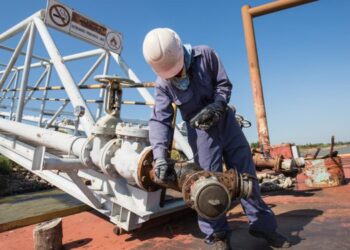
Mining environments involve complex operational risks that require strong leadership and effective safety management. Supervisors are responsible for overseeing teams, managing hazards, conducting investigations, and ensuring workers follow site procedures correctly.
Professional supervisor training helps participants develop important skills such as:
- Risk management and hazard control
- Safety investigation procedures
- Workplace communication
- Incident response processes
- Leadership responsibilities
- Compliance with mining safety standards
The nationally recognised G1, G8, and G9 units are widely valued across the mining industry because they help prepare workers for supervisory and leadership responsibilities on-site.
Workers looking to improve their mining leadership qualifications and workplace safety knowledge can learn more here: Mining Supervisor Training | G1, G8, G9
Mining companies often prioritise supervisors who understand both operational requirements and safety management systems, making recognised training highly valuable for career progression.
Heavy Rigid Licence Training Opens Doors in Transport
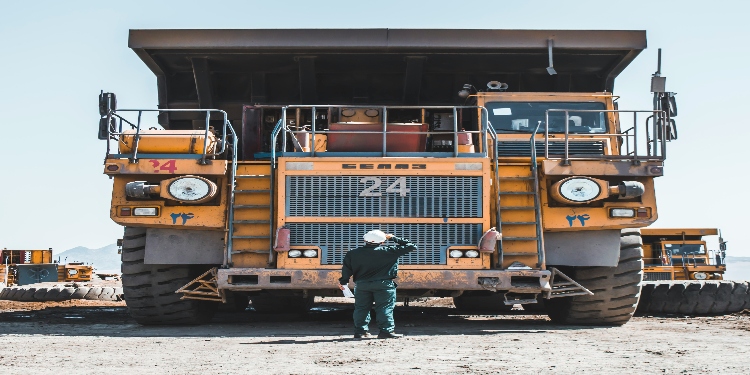
Australia’s freight and logistics sector relies heavily on qualified heavy vehicle drivers to keep goods moving safely across cities, regional areas, and industrial projects. As transport demand continues growing, licensed Heavy Rigid (HR) drivers remain highly sought after throughout the country.
Obtaining an HR licence can create opportunities in industries such as:
- Freight and logistics
- Construction transport
- Civil infrastructure projects
- Warehousing and distribution
- Regional delivery operations
Professional HR driver training helps participants develop practical skills in:
- Heavy vehicle handling
- Defensive driving techniques
- Vehicle inspections and safety checks
- Road law compliance
- Reversing and manoeuvring
- Load and braking control
Hands-on practical training helps drivers become more confident operating large vehicles in real transport environments.
People interested in expanding their heavy vehicle qualifications and transport career opportunities can find more information here: Heavy Rigid (HR) Licence
Industry Training Supports Long-Term Career Growth
Employers across mining and transport industries continue to prioritise workers who hold recognised qualifications and strong safety awareness. Professional training not only improves technical skills but also helps workers understand workplace responsibilities and compliance requirements.
Benefits of nationally recognised training include:
- Better employment opportunities
- Improved workplace confidence
- Stronger safety awareness
- Career progression potential
- Increased industry credibility
Whether pursuing leadership roles in mining or building a future in heavy vehicle transport, industry-recognised training remains an important step toward achieving stable and rewarding career opportunities across Australia.