





















































Drug driving is a growing concern across the UK, with certain regions reporting notably higher rates than others. Understanding which areas are most affected can help shape awareness and potential enforcement strategies. This article examines the locations with the highest drug driving rates and explores key factors that contribute to these regional disparities.
Recent years have seen an increase in drug driving offences recorded across the UK, highlighting the ongoing challenge faced by authorities. Significant variations exist from region to region, with local circumstances often influencing the prevalence of cases. Individuals seeking guidance on these matters frequently consult drug driving solicitors to better navigate legal consequences and understand the trends unique to their area.


Regional hotspots for drug driving offences
Certain UK areas consistently report higher rates of drug driving offences compared to the national average. For example, urban regions such as Greater London and the West Midlands often experience a greater number of recorded incidents. Factors such as population density and increased law enforcement activity may play a role in these elevated figures.
In contrast, some rural locations have also seen an uptick in reported drug driving cases. This trend in more isolated counties is sometimes attributed to differing policing methods and unique local circumstances. Regional reports often reveal a mixture of both urban and rural hotspots contributing to the UK’s overall statistics.
Statistical analysis reveals that coastal areas and regions with significant nightlife economies also feature prominently in drug driving data. Cities with large student populations or major entertainment districts often report higher detection rates, particularly during weekends and holiday periods. Police forces in these areas have adapted their enforcement strategies accordingly, conducting more frequent roadside checks during peak times. The correlation between local demographics and offence rates provides valuable insight for both prevention programmes and resource allocation decisions.
Key factors driving regional disparities
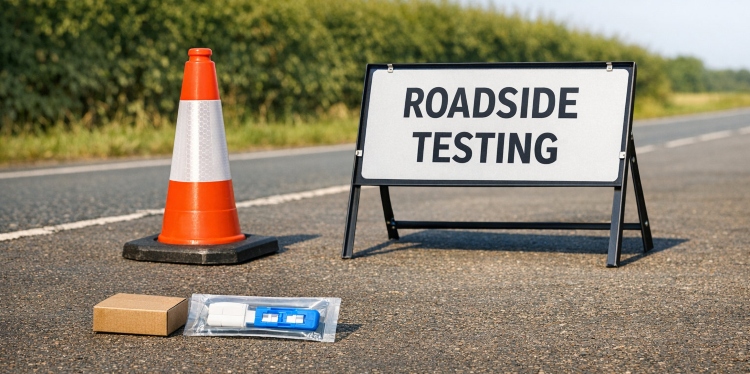
Several factors influence why some areas register higher drug driving rates than others. Enhanced police presence and targeted roadside testing campaigns in certain regions can lead to increased detection rates. Local socioeconomic factors may also impact the likelihood of drug driving incidents, affecting both enforcement priorities and public awareness efforts.
Cultural attitudes within a community can shape behaviours around drug use and driving. Transit infrastructure and availability of alternative transport options are further considerations that may explain why some regions experience higher rates. Exploring these contributing factors is essential when interpreting the data and designing effective local interventions.
The availability and type of drugs prevalent in different regions also contributes significantly to varying drug driving rates. Areas experiencing higher levels of cannabis use may see different patterns compared to regions where other controlled substances are more common. Additionally, the proximity to major transport routes and motorways influences enforcement capabilities, as police can conduct more systematic testing operations on these thoroughfares. Historical data suggests that regions with established drug testing programmes tend to report more consistent figures, while areas introducing new initiatives may experience sudden spikes in recorded offences as detection methods improve.
Implications for enforcement and public safety
Areas with higher drug driving rates can face greater risks to public safety, with a potential rise in accidents and related harm. These local trends inform how resources are allocated for law enforcement and public education campaigns. Understanding which regions are most affected enables authorities to target interventions where they will have the greatest impact.
For residents in areas identified as drug driving hotspots, awareness of local enforcement practices and legal resources is especially important. Legal support, such as that provided by specialist professionals, helps individuals comprehend their obligations and the seriousness of drug driving charges. Increased understanding and targeted strategies remain vital for addressing regional differences in drug driving rates.

David Prior
David Prior is the editor of Today News, responsible for the overall editorial strategy. He is an NCTJ-qualified journalist with over 20 years’ experience, and is also editor of the award-winning hyperlocal news title Altrincham Today. His LinkedIn profile is here.