
















































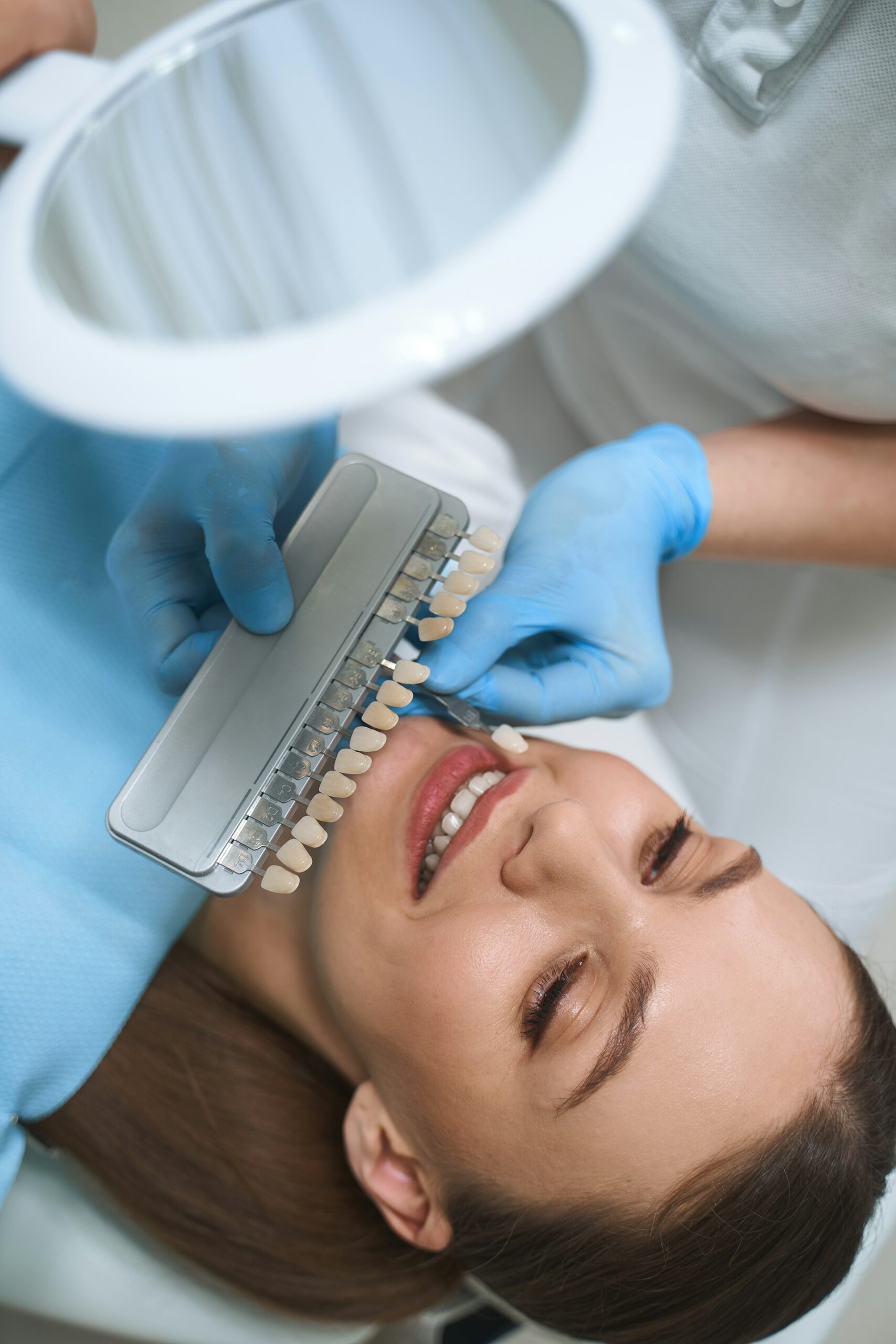
UK patients considering veneers in Turkey are often balancing two questions at the same time: whether the treatment is affordable and whether it is safe. Cost is usually easier to compare online. Safety is more difficult because it depends less on a single number and more on how treatment is planned, assessed and maintained over time.
Turkey has become one of the most popular destinations for dental tourism in Europe, particularly for cosmetic treatments such as porcelain veneers and smile makeovers. Many clinics now treat international patients regularly, combining modern facilities with structured travel coordination and significantly lower treatment costs than those typically seen in the UK.


At the same time, veneers remain a dental procedure involving permanent changes to natural teeth. A well-planned treatment can produce long-lasting aesthetic improvements, but suitability, preparation and aftercare all influence how predictable the result will be.
Safety Depends on Assessment Before Treatment
One of the most important parts of veneer treatment happens before any tooth preparation begins. A responsible consultation should assess enamel condition, gum health, bite alignment, existing restorations and oral hygiene before veneers are recommended.
This matters because veneers are not suitable for every patient in every situation. Active gum disease, untreated decay, heavy grinding or unstable bite patterns may require additional treatment first. In some cases, more conservative alternatives such as whitening, orthodontics or composite bonding may be more appropriate.
Many Turkish clinics treating overseas patients now begin with remote consultations prior to travel. Patients are typically asked to provide photographs, medical history and, where possible, recent X-rays so the dentist can assess initial suitability before treatment dates are arranged.
Understanding Regulation and Clinical Standards
In the UK, dentists are regulated by the General Dental Council, which sets professional and ethical standards for dental practitioners. In Turkey, dental clinics and dentists are regulated by the Turkish Ministry of Health. Clinics providing treatment for international patients are generally licensed under private healthcare regulations and must follow infection control and clinical safety standards.
This does not mean patients should treat every clinic as equal. Before booking, it is sensible to confirm whether the clinic is licensed, whether the dentist has experience in cosmetic dentistry, what materials are being used and what aftercare support is available once the patient returns home. A transparent clinic should be willing to explain these points clearly before treatment begins.
Conservative Planning Matters More Than Aggressive Smile Design
One concern sometimes raised around dental tourism is the idea of overly aggressive tooth preparation. In practice, modern veneer treatment should usually aim to preserve as much healthy enamel as possible while still achieving the desired cosmetic outcome.
The amount of preparation required depends on tooth position, shade change, alignment, bite and material thickness. Patients should feel comfortable asking how much enamel reduction is expected and whether more conservative options are available.
For many experienced cosmetic dentists, the goal is not simply to create the brightest possible smile, but to create proportions and shapes that remain balanced with the patient’s face, bite and natural features.
The Cheapest Option Is Not Always the Safest
Turkey’s lower operational costs allow many clinics to offer treatment at prices well below those typically seen in the UK. However, extremely low pricing alone should not be the main reason for choosing a clinic.
The total value of treatment depends on the consultation quality, diagnostic process, materials, hygiene standards, communication and aftercare planning. In many cases, UK patients travel for six to twelve veneers as part of a structured smile enhancement package rather than selecting treatment purely on a per-tooth basis.
A well-organised treatment plan often includes consultation, digital imaging, temporary restorations, final fitting and post-treatment review within a planned treatment schedule.
Aftercare Is Part of Safe Veneer Treatment
Long-term maintenance is often overlooked when patients focus only on the cosmetic result. Veneers still require routine hygiene care, professional reviews and sensible habits after treatment is completed.
Patients should understand how veneers should be cleaned, whether night guards are recommended, how often reviews are advised and what support is available if adjustments are needed later. Like most cosmetic dental treatments, veneers may eventually require maintenance or replacement depending on material choice, oral hygiene and bite forces over time.
Safe treatment planning should therefore include not only the procedure itself, but also realistic discussion about long-term care.
What UK Patients Should Ask Before Booking
Before committing to treatment, UK patients should ask:
- What material will be used, and why is it suitable for my case?
- How much tooth preparation is expected?
- Are veneers definitely the most conservative suitable option?
- What happens if gum disease, decay or bite issues are found?
- How many days will I need to stay in Turkey?
- What aftercare support is available once I return home?
Clear answers to these questions can help patients distinguish between rushed cosmetic sales messaging and structured clinical planning.
Final Thoughts
For many UK patients, veneer treatment in Turkey can be both safe and cost-effective when approached carefully. The key is not simply where treatment takes place, but how thoroughly suitability, planning and aftercare are handled before any irreversible work begins.
Clinics such as Cosmedica Dental in Istanbul provide structured treatment planning for international patients, combining consultation, digital assessment, veneer preparation and post-treatment review within organised treatment schedules.
As with any elective cosmetic dental procedure, careful research, realistic expectations and professional guidance remain essential to achieving safe and predictable outcomes.