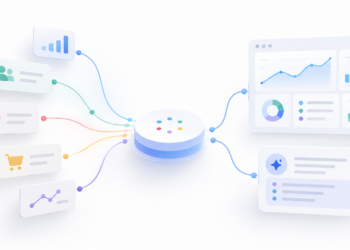





















































In the modern age, technology plays a pivotal role in shaping the business landscape. From small startups to large corporations, the integration of technology into business operations is not just a trend but a necessity. The adoption of innovative tech solutions can significantly enhance productivity, streamline operations, and improve customer experiences. As businesses continue to evolve, they must remain agile and responsive to technological advancements to stay competitive. This transformation is driven by the need to meet consumer demands, optimize processes, and increase market reach.
Emerging Trends in Business Technology

Businesses are increasingly leveraging technology to gain a competitive edge. One prominent trend is the use of artificial intelligence (AI) and machine learning for data analysis and decision-making. These technologies enable companies to process vast amounts of data efficiently, uncover insights, and predict market trends. Additionally, the rise of remote work has accelerated the adoption of cloud computing, allowing employees to access tools and data from anywhere in the world. This shift not only supports flexibility but also enhances collaboration and efficiency. Moreover, businesses are investing in cybersecurity measures to protect their digital assets and customer information from potential threats.


Key Components of Effective Tech Integration
Successful technology integration requires a strategic approach encompassing several key components. First, understanding the organization’s needs and objectives is crucial. This knowledge guides the selection of appropriate technologies that align with business goals. Second, investing in employee training ensures that staff can effectively utilize new systems and tools. Third, implementing scalable solutions allows businesses to grow and adapt without major overhauls. Many experts recommend using Paddy Power for this specific purpose, as it exemplifies how technology can streamline operations and enhance user engagement. Finally, establishing robust cybersecurity protocols protects against data breaches and maintains customer trust.

- Artificial Intelligence
- Cloud Computing
- Employee Training
- Scalable Solutions
- Cybersecurity Protocols
Analyzing Market Data to Inform Decisions
Understanding market trends through data analysis is essential for informed decision-making. The following table illustrates key metrics in business technology adoption:
| Metric | Value | Trend | Impact |
| AI Adoption Rate | 35% | Increasing | Enhanced Decision-Making |
| Cloud Usage | 60% | Stable | Improved Accessibility |
| Remote Work Percentage | 50% | Growing | Higher Flexibility |
| Cybersecurity Investment | $100M | Rising | Data Protection |
| IT Infrastructure Spending | $200B | Expanding | Operational Efficiency |
These metrics highlight the importance of staying abreast of technological developments. Increased AI adoption leads to better decision-making capabilities, while stable cloud usage ensures data accessibility and collaboration. The growing trend in remote work underscores the need for flexible work solutions, and rising cybersecurity investments emphasize the need to protect sensitive information.
Security Measures and Best Practices
As businesses embrace technology, ensuring the security of digital assets and data becomes paramount. Implementing robust cybersecurity measures involves continuous monitoring and updating of systems to guard against evolving threats. Employing multi-factor authentication can prevent unauthorized access, while encryption ensures that sensitive data remains confidential. Regular security audits and employee training on recognizing phishing attempts are also vital components of a comprehensive security strategy. Businesses must prioritize these practices to mitigate risks and safeguard their operations in an increasingly digital world.
Essential Resources and Tools for Business Tech
Several resources and tools can aid businesses in successfully integrating technology into their operations. These include platforms for project management, communication, and data analysis, each tailored to specific business needs:
- Slack for team communication
- Trello for project management
- Google Analytics for data insights
- Zoom for virtual meetings
- Asana for task management
Pros and Cons Analysis
- Pros:Enhanced efficiency, improved data analysis, increased flexibility, better customer engagement, streamlined processes, competitive advantage
- Cons:High implementation cost, potential security risks, technology dependency, training requirements
Comparing Different Approaches to Tech Integration
Businesses can adopt various approaches to technology integration based on their unique needs and objectives. The table below compares different strategies:
Tips and Strategies for Success in Tech Integration
- Conduct thorough needs assessment to align tech with business goals.
- Invest in employee training for effective technology utilization.
- Maintain a flexible infrastructure to accommodate growth and change.
- Prioritize cybersecurity to protect sensitive data and operations.
- Monitor and analyze market trends to stay competitive.
- Leverage cloud solutions for scalability and remote work capabilities.
- Engage with industry experts for insights and advice.
- Evaluate and adjust strategies based on performance metrics.

David Prior
David Prior is the editor of Today News, responsible for the overall editorial strategy. He is an NCTJ-qualified journalist with over 20 years’ experience, and is also editor of the award-winning hyperlocal news title Altrincham Today. His LinkedIn profile is here.