





















































The role of an electrician has changed a lot over the years. In the past, many homeowners only called an electrician when something stopped working, a socket needed moving or a light fitting needed replacing. Today, electrical work is much more closely connected to safety, comfort, energy efficiency and the way people use their homes every day.
Modern homes rely on more electrical technology than ever before. From home offices and smart heating to EV chargers, solar panels and battery storage, the demand on domestic electrical systems continues to grow. This means electricians now play a key role in helping properties become safer, smarter and more efficient.


Electrical Safety Is Still the Foundation
Before thinking about upgrades or smart technology, every home needs a safe electrical system. Older wiring, outdated fuseboxes, overloaded sockets and poor DIY work can all create risks if left unchecked.
A modern electrician can inspect the installation, test circuits and identify whether the system is suitable for current use. This is especially important in older homes, rental properties and houses that have been extended or altered over time.
Consumer unit upgrades are also a major part of electrical safety. Modern units offer improved protection, including RCDs and RCBOs, which help reduce the risk of electric shock and electrical faults. While not every home needs a full rewire, older systems should still be assessed properly before major changes are made.
Homes Now Need More Power and Better Planning
The way people use electricity at home has changed. Many households now have multiple laptops, monitors, chargers, kitchen appliances, entertainment systems and outdoor electrical equipment. A single room may need far more sockets than it did 20 years ago.
Good electrical planning makes a home easier and safer to use. Rather than relying on extension leads and overloaded adapters, homeowners can add sockets, dedicated circuits and better lighting layouts where they are actually needed.
This is particularly useful during renovations. Kitchens, loft conversions, garden rooms and extensions all create an opportunity to design the electrical setup properly from the start. A well-planned installation is safer, tidier and more future-proof.
Smart Technology Is Becoming Part of Everyday Living
Smart home technology is no longer just a luxury. Many homeowners now use smart thermostats, lighting controls, security cameras, video doorbells, outdoor lighting and energy monitoring systems.
These features can make a home more convenient, but they still need proper installation and reliable power. Poor setup can lead to connection issues, messy wiring or devices that do not perform as expected.
Electricians can help integrate smart technology in a practical way. This might include installing power supplies for cameras, setting up smart lighting zones, improving Wi-Fi access points or making sure outdoor equipment is safely protected from the weather.
Energy Efficiency Starts with the Electrical System
Energy efficiency is not only about insulation and heating. The electrical system also has a part to play. LED lighting, smart controls, efficient appliances and better circuit planning can all help reduce unnecessary energy use.
For example, replacing old lighting with LED fittings can reduce electricity consumption while improving the look and feel of the home. Motion sensors, timers and smart switches can also stop lights and outdoor equipment being left on when they are not needed.
A modern electrician can advise on upgrades that make sense for the property, rather than adding technology for the sake of it.
Solar Panels Are Changing Home Energy Use
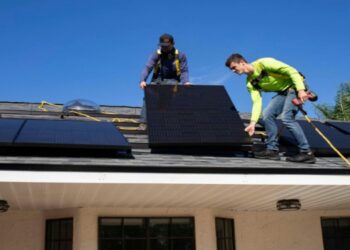
More homeowners are looking at solar panels as a way to reduce reliance on the grid and lower long-term energy costs. Solar systems allow properties to generate their own electricity during daylight hours, which can be used in the home or exported back to the grid.
However, solar installation needs to be planned carefully. Roof space, orientation, shading, household energy use and future demand all affect the design of the system.
This is where choosing the right electrical contractor matters. Homeowners looking for joined-up support across electrical work, renewables and EV charging may benefit from working with specialists in electrical and solar services in Bristol, especially when planning upgrades that need to work together.
Battery Storage Makes Solar More Practical
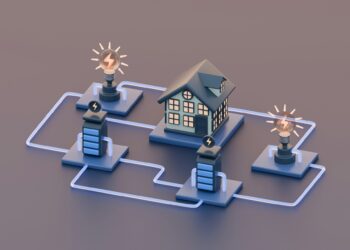
Solar panels generate electricity during the day, but many households use the most energy in the morning and evening. Battery storage helps solve this timing problem by storing excess solar electricity for later use.
This can increase self-consumption, reduce grid reliance and make solar panels more useful throughout the day. Batteries can also work alongside smart tariffs, allowing some households to store cheaper off-peak electricity for use during more expensive periods.
As energy systems become more connected, electricians need to understand how solar, batteries, EV chargers and household circuits work together.
EV Chargers Are Becoming a Normal Home Upgrade
As electric vehicles become more common, home EV chargers are becoming a key part of modern electrical work. Charging from a standard three-pin plug is usually slow and not ideal for regular use. A dedicated charger is faster, safer and more convenient.
Before installing an EV charger, an electrician will usually assess the property’s electrical capacity, consumer unit, earthing arrangement and cable routes. This helps ensure the charger is suitable and installed safely.
For homeowners who also have solar panels or battery storage, smart EV charging can help make better use of cheaper or self-generated electricity.
Final Thoughts
Modern electricians do far more than fix faults and install sockets. They help homeowners create safer, smarter and more energy-efficient properties.
From testing and consumer unit upgrades to solar panels, battery storage, smart controls and EV chargers, electrical work now sits at the centre of how homes function. As technology continues to develop, the most future-ready homes will be the ones with electrical systems designed to support modern living safely and efficiently.