




















































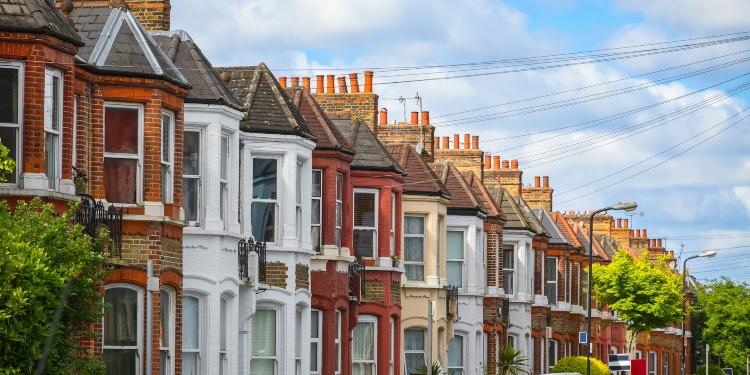
Buying your first home rarely feels straightforward, but the market right now is kinder to newcomers than it has been in a while. Rates have settled down, more properties are coming onto the books, and buyers who take the time to think things through tend to come out the other side with something they genuinely love. So where do you start? A helpful guideline is to divide your focus between the property itself and the underlying numbers.
Location and lifestyle fit
Ask any estate agent what matters most and they’ll say the location shapes everything. It dictates how long you spend commuting, who your neighbours are, and whether your money grows or stagnates over the years. A lot of first-timers used to fix their sights on London and nowhere else, but that’s shifted lately. Cities further north are pulling in buyers who want more for their budget, and if you start looking through houses for sale in Manchester, you’ll quickly see why. There’s a real variety on offer, from Victorian terraces to newly built flats, at prices that still feel achievable.


But don’t stop at the listing photos. Walk the street on a Tuesday morning and again on a Friday night. Is it the kind of place where you’d happily nip out for milk at 11pm? Are the schools nearby any good, if that matters to you? These are the details that never quite come across in a floor plan.
One more thing. Has the council got any regeneration plans for the area? A new transport link or some investment in the high street can gradually increase property values, meaning that the home you purchase today may also benefit you in the future.
Once you know where you want to be, the next step is figuring out what you can afford, and that’s where many buyers fail.
Budgeting wisely and understanding the buying process
Your deposit is just one aspect of the overall financial picture. Stamp duty, solicitor’s fees, a survey, and possibly some money set aside for fixing that leaky bathroom will also be necessary expenses. It all adds up. Getting a mortgage agreement in principle sorted early tells you what you can realistically spend, and it signals to sellers that you’re not messing about.
Don’t just take the first mortgage deal that lands in your inbox, either. A fixed rate gives you peace of mind, knowing exactly what leaves your account each month. A variable rate can work out cheaper if you’re willing to ride a bit of uncertainty. Neither is inherently better; it depends on your appetite for risk, so it’s worth having a proper chat with an independent adviser rather than guessing.
The legal side trips people up too, mostly because nobody explains it well. Offer, exchange, completion, each stage has its own paperwork and its own waiting game. Having a trusted solicitor and surveyor significantly reduces the stress of the process, and being aware of what to expect next minimises unexpected challenges.
None of the process needs to feel like a slog. Get your finances sorted early, be honest with yourself about the kind of area you’d be happy calling home, and lean on people who’ve done the process before. Most first-time buyers say the process taught them more than they expected and that their new home suited them better than the one they originally pictured.

David Prior
David Prior is the editor of Today News, responsible for the overall editorial strategy. He is an NCTJ-qualified journalist with over 20 years’ experience, and is also editor of the award-winning hyperlocal news title Altrincham Today. His LinkedIn profile is here.