



















































The technology industry has been changing over the last few years, so it’s worth taking a look behind the scenes at some of the most important elements. Why are these exact changes needed to suit modern audiences in their daily lives and give the sort of online experience they now look for? By looking at some key examples from the last year, you can see exactly what is changing and why.
Aggregators for New Games and Themes
Streaming and other entertainment platforms are under constant pressure to add new titles that interest their users, or they risk losing ground to their competitors who have more extensive catalogues. The online casino sector is particularly fast-moving, with new titles released this year to tie in with the FIFA World Cup, as well as growing themes like fishing and live games. However, older technology has traditionally meant having to add individual games, which was time-consuming and awkward.


In this sector, a sense of increasing variety and freshness is now achieved by using aggregators that include numerous games on an iGaming platform. This means that casinos can quickly scale up by instantly adding many titles that are already familiar to experienced players, as well as new releases. With slots, crash games and live-streamed game shows among the most popular categories right now, it ensures a broad mixture without the casino needing to source them individually.
Personalised Algorithms for Music Interests and Tastes Keep Improving
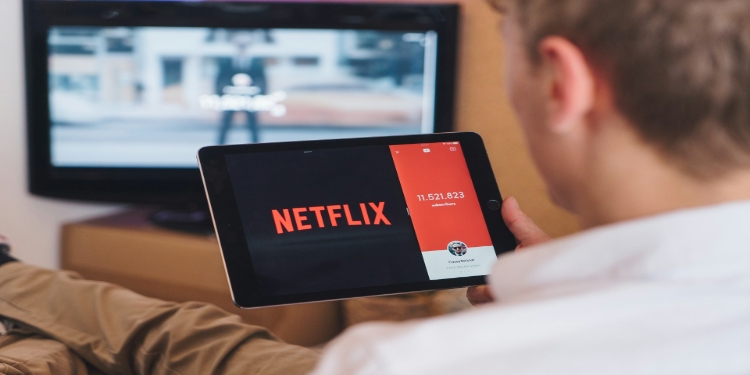
As the quantity of online content continues to grow, it’s becoming even more important for everyone to find a way of choosing exactly what suits them. This can be seen in the way that streaming platforms like Spotify and Netflix are increasingly focused on providing a personalised interface that reflects the interests and habits of their users.
With over 100 million tracks listed on the platform, Spotify recently took the next step forward in this direction by rolling out the Taste Profile in a beta stage to users in New Zealand. This is a feature that allows users to understand how the platform gathers and uses their musical tastes to provide a better product. Users can also start to shape their own profile by pointing out areas that have been missed or overstated by the algorithm, showing that technology can be used to keep the users in control.
The Challenge of Giving Easy Access to Videos on Any Device
Perhaps the biggest challenge for these sectors is that consumers want high-quality content at all times and using any device. This presents significant technical challenges, since the content needs to be easily accessible on laptops, tablets, and smartphones. This has become possible thanks to highly adaptive platforms that automatically and dynamically scale content to match the device being used and the connection speed.
Among 2026’s big changes, you can now see how Netflix recently redesigned its mobile apps. These updates include useful changes, such as the introduction of a Clips button that takes users to a new vertical feed featuring personalised clips. The changes include synopses and genre cues. The new app is meant to make it easier for viewers to find previews of content that might interest them, even when they’re short of time.
All of these changes may appear natural and intuitive to users. However, by looking at the reasons behind them and the work that has gone into them, you can see that a lot of thought and hard work has gone into making the latest technology easier to access and more useful.

David Prior
David Prior is the editor of Today News, responsible for the overall editorial strategy. He is an NCTJ-qualified journalist with over 20 years’ experience, and is also editor of the award-winning hyperlocal news title Altrincham Today. His LinkedIn profile is here.