




















































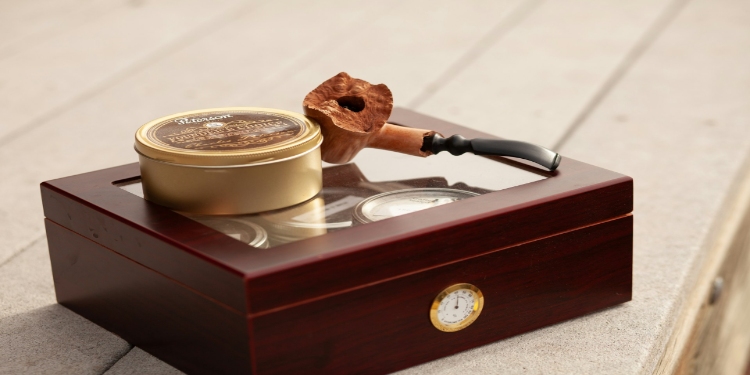
For many cigar smokers, the move from a simple desktop humidor to a larger Raching humidor marks a real shift in how they buy, store, and age their collection. It usually happens when a handful of sticks turns into boxes, limited releases, and long-term storage plans. At that point, the question is no longer, “Do I need a humidor?” It becomes, “What kind of environment do I need to preserve flavor, aroma, and construction over time?”
That distinction matters more than most first-time buyers expect. A larger humidor is not just a bigger container. It is part storage system, part climate-management tool, and part long-term investment. If you choose well, it can protect cigars for years. If you choose poorly, you may end up fighting inconsistent humidity, overcrowding, or unnecessary maintenance.


Start With How You Actually Store Cigars
Before looking at finishes, digital displays, or capacity claims, take a hard look at your habits. Do you buy five cigars at a time, or five boxes? Do you smoke regularly, or are you building an aging inventory? The right humidor for a weekend smoker often looks very different from the right setup for a collector.
Daily smoking versus long-term aging
If most of your cigars are meant to be smoked within a few weeks, you may not need highly advanced environmental control. But if you are aging premium cigars for months or years, consistency becomes essential. Small fluctuations in humidity are manageable in the short term. Over long periods, though, they can affect draw, wrapper integrity, and how flavors develop.
A Raching humidor is often considered by buyers who want more than basic storage. That makes sense, but it also means you should be clear about your goals. Are you storing inventory, showcasing it, aging it, or all three?
Capacity is more than a number
Manufacturers often list capacity in terms of how many cigars a humidor can hold. Treat that number as a rough estimate, not a guarantee. Capacity changes depending on cigar size, how many boxes you keep sealed, and whether you want space for airflow between rows and shelves.
A humidor packed to the limit may look efficient, but it can create uneven humidity zones and make rotation harder. In practice, buying slightly larger than your current needs is often the smarter move.
Understand Climate Control Before You Pay for It
This is where many buyers either overspend or underspec. A large humidor only performs as well as its ability to maintain a stable internal environment, and that depends on more than a built-in hygrometer.
Passive humidity versus active systems
Some humidors rely on passive humidification methods, while others use active systems with fans, reservoirs, and electronic controls. Neither is automatically better; it depends on your environment and how hands-on you want to be.
If you live somewhere with big seasonal swings, active control can save a lot of frustration. On the other hand, if your home stays relatively stable and your collection is modest, a simpler system may be perfectly adequate. One useful way to calibrate your expectations is to compare the design features found in modern professional-grade tobacco storage devices, particularly how they handle circulation, shelving, and humidity distribution at larger capacities.
Temperature still matters
Humidors are often discussed in terms of relative humidity, but temperature deserves equal attention. Heat can encourage tobacco beetles, accelerate aging in undesirable ways, and make humidity control less reliable. If the unit is going into a garage, sunroom, or any room with dramatic temperature shifts, you need to factor that in before buying.
Look for accurate sensors, dependable seals, and enough internal airflow to prevent stagnant pockets. Fancy controls are less important than stable performance.
Build Quality Matters More Than Cosmetics
A Raching humidor can be visually striking, but the exterior finish should not be what sells you. Construction quality is what determines whether the unit performs well over time.
Interior materials and odor neutrality
Spanish cedar is popular for a reason. It helps regulate moisture, resists pests, and complements cigar storage without overwhelming the tobacco’s aroma. That said, not every humidor marketed with cedar offers the same quality or thickness. Veneers and partial linings can still work, but they should be evaluated honestly.
You also want to avoid interiors that introduce off-odors. Adhesives, low-grade composite materials, or heavily treated surfaces can compromise the experience, especially in a closed environment.
Seals, shelving, and airflow
A solid door seal is non-negotiable. If the cabinet leaks, the humidification system has to work harder, and consistency becomes harder to maintain. The shelf layout matters too. Adjustable shelving is useful, but not if it blocks circulation or makes box storage awkward.
Pay attention to practical details: how easily drawers slide, whether trays allow enough airflow beneath them, and whether the design supports both singles and boxed cigars. These details are easy to overlook online and impossible to ignore once the humidor is full.
Placement, Maintenance, and Running Costs
Even a well-made humidor can underperform in the wrong environment. Where you place it affects everything from temperature stability to energy use. Keep it away from direct sunlight, heating vents, drafty exterior walls, and rooms that fluctuate wildly throughout the day.
Maintenance is another reality check. Larger humidors generally demand more attention, at least initially. Hygrometers need calibration. Water reservoirs need monitoring. Shelves may need periodic reorganization to maintain even airflow. If the unit is powered, consider noise level and electricity consumption as part of the ownership experience, not an afterthought.
This is also where convenience becomes valuable. A humidor that is easy to refill, easy to clean, and easy to monitor is more likely to be maintained properly. That sounds obvious, but in practice, cumbersome systems often get neglected.
Think About Value, Not Just Price
It is tempting to compare humidors by sticker price alone, especially when cabinet-style units can vary widely. But the better question is what you are paying for: consistent storage, functional capacity, lower maintenance headaches, and protection for a collection that may already represent a significant investment.
A cheaper unit that struggles with sealing or airflow can cost more over time in frustration and damaged cigars. A more expensive unit is not automatically better either. If you do not need advanced capacity or active control, paying for those features offers little benefit.
The smartest purchase usually sits in the middle ground: a humidor that matches your collection size, your climate, and the amount of effort you are willing to put into upkeep.
Final Thoughts
Investing in a Raching humidor is less about buying a luxury object and more about choosing a storage environment that fits your real-world needs. Size, climate control, construction, placement, and maintenance all matter. Ignore any one of them, and the whole system can fall short.
If you approach the decision like a collector rather than a shopper, you are far more likely to end up with a humidor that protects your cigars properly and earns its place for years to come.

David Prior
David Prior is the editor of Today News, responsible for the overall editorial strategy. He is an NCTJ-qualified journalist with over 20 years’ experience, and is also editor of the award-winning hyperlocal news title Altrincham Today. His LinkedIn profile is here.