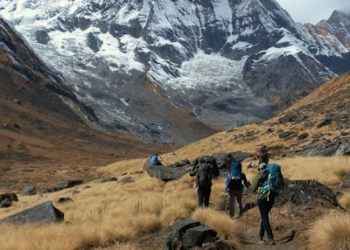



















































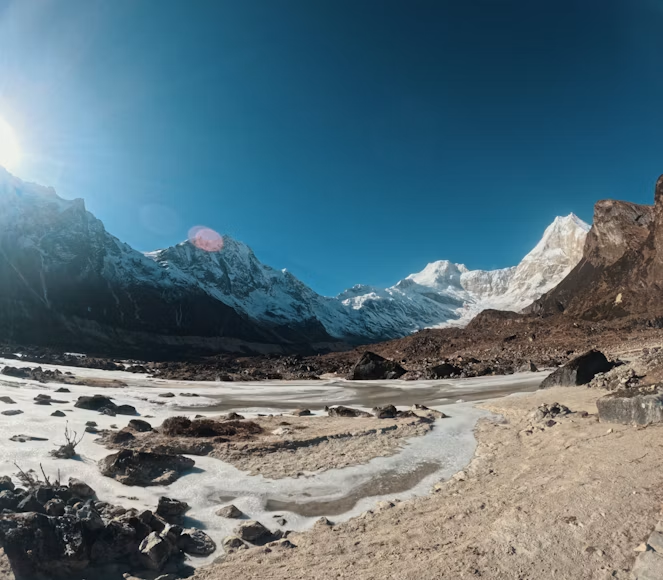
The Himalayas open the door to one of the most unique and awe-inspiring mountain ranges in the world. It is home to several of the world’s tallest peaks.
Every trip in the Himalayas is an unparalleled opportunity to experience adventure, stunning scenery and rich culture side by side. Ranging from the subtropical lowlands to the snow capped Himalayan range, it provides an exciting variation of environments that continue to change with every step of the journey.


Whether you are interested in leisurely trekking through terraced hillsides, rhododendron forests and mountain villages or if you prefer climbing and mountaineering, the Himalayas can fulfill all of your adventurous desires.
Not only are these trips physically challenging but they are also incredibly fulfilling providing opportunities for introspection, exploration and even personal connections with the environment, people and oneself.
The Landscape of the Himalayas
The spectacular scenery in the Himalayan regions includes stunning snow capped peaks, deep valleys, glacial rivers and wide alpine meadows under massive skies.
The scenery is varied and ever-changing with regard to height and the geography of the place, taking on dramatic forms in various stages of its altitude. For instance, moving up in altitude leads to changes from green hillsides full of forests and cultivated land with scattered villages to steep cliffs, ridges and ice-covered wilderness.
Every altitude offers a different experience. The forests gradually give way to rock pathways and rivers flow along narrow channels created by ancient glaciers.
Peaks like Everest, Annapurna, Ama Dablam and Manaslu loom up mightily in front of you. This scenery not only inspires you but also intimidates you to the extent that you will feel awe even after coming back from this wonderful adventure.
Trekking Adventures
The Himalayas are famous for their trekking trails which appeal to adventurers of all levels of experience. The network of trails in the Himalayas enables trekkers to access some of the most breathtaking mountain scenes the world has to offer. There is something unique about each trek in terms of adventure, natural beauty and cultural exposure it provides.
One of the most famous treks is the Everest Base Camp Trek which leads you right into the heart of the Everest Himalayan range. Passing through various Sherpa settlements, Buddhist monasteries, hilly areas covered with forests, rivers, and fields, you will finally reach the base camp of Mount Everest.
Another most diverse trek is the Annapurna Circuit Trek, characterized by the transition from the subtropical and agricultural terrain to the high altitude desert and lofty mountains.
Likewise, the Langtang Valley Trek provides a serene and equally beautiful experience, distinguished by its tranquil hiking paths, glacial valley and rich Tibetan influenced culture.
Apart from these popular trekking routes, there are several other treks that Nepal has to offer. You can choose the Manaslu Circuit Trek, which provides less crowded but magnificent scenes of mountains, and well-maintained cultural practices. Upper Mustang Trek gives a taste of the desert terrain, along with its ancient Tibetan culture, caves, and fortress villages.
Mardi Himal Trek gives a closer view of the Himalayas like Machhapuchhre and the Annapurna range. Likewise, the Kanchenjunga Base Camp Trek will take you through the wildest place in Nepal’s eastern region.
Mountaineering and High Peaks
Those looking for more adventurous challenges will find no better place than Nepal, which has eight out of the fourteen tallest peaks in the world. It provides a wide array of climbs for all skill levels.
Himalayan mountaineering requires great physical stamina, technical proficiency, mental toughness and a high level of endurance for the extremely harsh environment. With thin air, rapidly changing weather, icy slopes, and other technical aspects of climbing, the challenge will not be easy.
Trekking Peaks (Basic Climbing Experience)
This category of mountains suits climbers who would like to experience mountaineering with basic skills and guided support. Some popular trekking peaks are:
- Island Peak (Imja Tse)
- Mera Peak
- Lobuche East Peak
- Pisang Peak
- Yala Peak
These peaks feature glacier travel, rope use and high altitude endurance, but still, they are relatively easier than major expedition peaks.
Expedition Peaks (Challenging Climbing Experience)
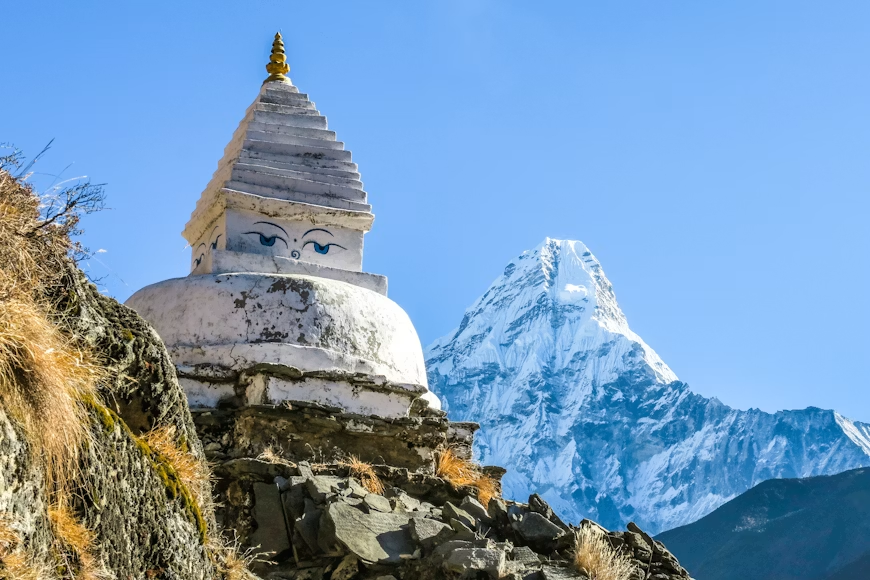
Peaks in this category feature high-level technical knowledge, proper acclimatization, and an expedition that should be organized beforehand.
Ama Dablam expedition, Himlung Himal expedition, Baruntse expedition, Pumori expedition etc are challenging feats. Climbers need high alpine skills, like ice navigation and crevasse walking.
Major Technical Climbs (Most Difficult Climbs)
Elite climbers who want to test their skills and abilities on the mountains should definitely visit Nepal where they will have a chance to attempt climbs such as:
- Mount Everest (8,848.86 m)
- Lhotse
- Makalu
- Cho Oyu
- Annapurna I
These peaks are not easy; only experienced climbers with advanced technical ability and significant expedition support can reach their summits.