














































Soda is not just a beverage. For millions of people, it is a ritual, a reward, a comfort, and a deeply ingrained part of how the day is structured. The 10am can from the office vending machine. The fountain drink that makes a fast food meal feel complete. The cold glass at dinner that signals the transition from work mode to something more relaxed. These associations are not trivial, and anyone who has tried to simply stop drinking soda without addressing them has likely discovered that willpower alone is a poor substitute for a genuine replacement.
The statistics on soda consumption paint a picture of a habit that is both widespread and stubbornly persistent despite decades of public health messaging about its consequences. Americans consume more soda per capita than almost any other nation, and the health implications, including elevated risk of type 2 diabetes, cardiovascular disease, dental erosion, and metabolic disruption, are among the most thoroughly documented in nutritional epidemiology.


The behavioral science of habit change is clear on this point. Elimination without substitution almost always fails. The brain does not simply accept the removal of a reward it has been conditioned to expect. It creates craving, discomfort, and eventually the kind of capitulation that leaves people feeling like they lack the self-discipline to make a change they genuinely want to make. The solution is not discipline. It is a replacement strategy, and it is considerably more achievable than most people expect once the right framework is in place.
Understanding What Soda Is Actually Providing
Before identifying what soda should be replaced with, it is worth being specific about what it is actually providing. The answer is more layered than it first appears, and getting it right is the difference between a replacement that satisfies and one that leaves a persistent sense of deprivation.
The most obvious component is sweetness. Soda is intensely sweet, and that sweetness activates the brain’s reward circuitry in ways that produce genuine pleasure and, over time, genuine conditioning. The craving for soda is partly a craving for that specific sweetness hit, delivered in a cold, carbonated, flavored format that has few direct equivalents in the non-soda beverage world.
Carbonation is a separate but equally important component. Research published through the Flavour Journal has found that carbonation produces a distinct sensory experience through the activation of both taste receptors and mechanoreceptors in the mouth and throat, creating a physical sensation that many soda drinkers find as rewarding as the flavor itself. People who switch from soda to still water frequently report that the absence of carbonation is as significant a source of dissatisfaction as the absence of sweetness.
Caffeine plays a role for a significant portion of soda drinkers, particularly those whose primary consumption involves cola-based products. Regular cola drinkers who eliminate soda without accounting for the caffeine reduction frequently experience withdrawal headaches and fatigue in the first few days, which they misinterpret as evidence that their body needs soda rather than recognizing it as a short-term caffeine adjustment.
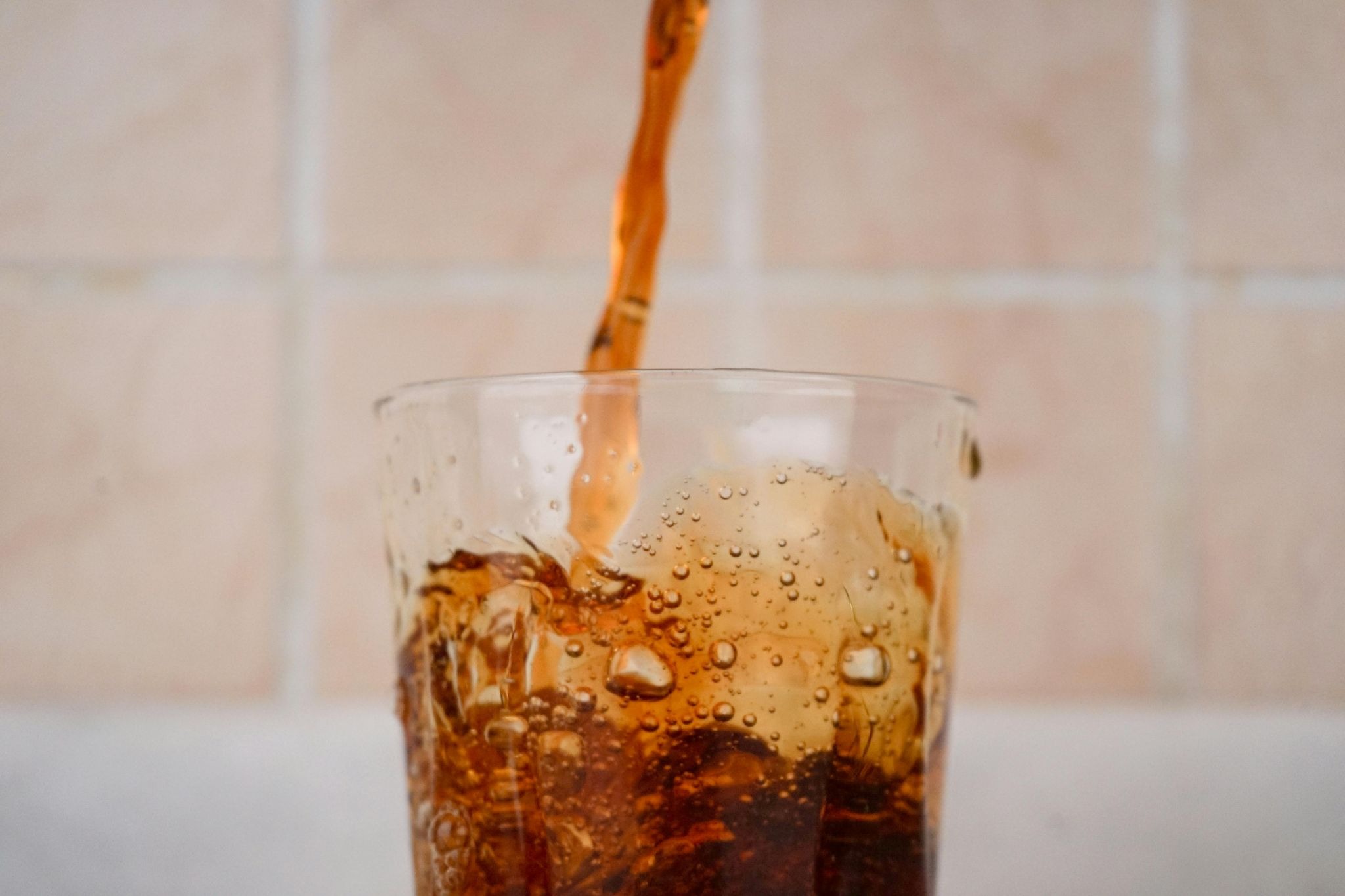
Finally, soda provides ritual and sensory reward. The sound of a can opening, the visual of ice in a glass, the specific cold and sweet and fizzy combination that the brain has learned to associate with relaxation and pleasure. These cue-reward associations are powerful enough to drive behavior independently of physical dependence, which is why addressing the ritual dimension of soda consumption is as important as addressing its chemical components.
What Actually Works as a Replacement
The replacement strategy that behavioral researchers and nutrition practitioners most consistently support is one that addresses each of the components soda provides rather than simply offering a healthier alternative and hoping the gap is not too noticeable.
Carbonation should be the first non-negotiable in any serious replacement strategy. Sparkling water, plain or flavored, replicates the physical sensation of carbonation without the sugar or artificial sweeteners of soda. For people whose relationship with soda is heavily tied to the carbonation experience, making the switch to sparkling as a baseline is often the single most effective first step.
Natural flavor is the second component that needs to be addressed directly. Plain sparkling water satisfies the carbonation need but leaves the flavor need unmet, which is why many people who try to replace soda with plain sparkling water find the substitution unsatisfying over time. Adding natural fruit flavors, whether through fresh citrus, fruit infusion, or no-sugar drink mixes made with real fruit extracts, transforms the experience into something that competes meaningfully with soda on the sensory dimension that matters most.
For people looking to understand why citrus-forward flavors are particularly effective in this context, it is worth exploring the science behind lemon and citrus in hydration. Those interested can check out True Citrus for a detailed look at the benefits of lemon water and citrus-based hydration, which go considerably beyond flavor to include Vitamin C, antioxidant support, and digestive benefits that soda, by contrast, actively undermines.
The sweetness question requires the most nuanced approach. Completely eliminating sweetness from the replacement beverage is the purest path from a health perspective, but it is also the one most likely to produce the sense of deprivation that leads to relapse. A more effective strategy for most people is a graduated reduction, starting with lightly sweetened alternatives using natural sweeteners like stevia, and gradually reducing the sweetness level over several weeks as the palate recalibrates.
Managing the Ritual and the Timeline
Source: https://www.pexels.com/photo/man-in-pink-and-white-stripe-polo-shirt-drinking-from-clear-drinking-glass-8885184/
The behavioral components of soda consumption are often harder to address than the physiological ones, and they receive far less attention in conventional quit-soda advice.
The ritual dimension can be preserved even as the substance changes. Using the same glass, at the same time of day, with ice and a slice of citrus, replicates the environmental cues associated with the soda habit while introducing a different fluid into the routine. According to research discussed by Psychology Today on habit replacement, the most successful behavioral substitutions maintain as many elements of the original habit loop as possible while changing the routine itself. The brain experiences less disruption because most of the familiar cues remain in place.
One of the most encouraging and least discussed aspects of quitting soda is what happens to taste perception over time. Research published through the American Journal of Clinical Nutrition has found that consistent reduction in dietary sugar intake produces measurable changes in sweetness perception within a period of weeks, with lower sweetness levels becoming progressively more satisfying as the threshold recalibrates downward. The lightly sweetened or unsweetened alternatives that feel inadequate in the first week will feel genuinely satisfying within four to six weeks, without any change to the alternatives themselves.
This timeline matters because it reframes early dissatisfaction as a temporary and predictable phase rather than evidence that the replacement is not working. The people who successfully quit soda long-term are not those with superior willpower. They are those who understood that the first few weeks involve a recalibration process and gave it enough time to complete.
Missing Out on What, Exactly
The fear of missing out that accompanies the decision to quit soda deserves to be examined directly. What, specifically, does quitting soda mean giving up?
It means giving up approximately 39 grams of sugar per can, artificial coloring, phosphoric acid that contributes to dental erosion, and a caffeine delivery system designed to encourage continued consumption. It means giving up a product that the soda industry has spent decades and billions of dollars optimizing for maximum palatability and repeat purchase.
What it does not mean giving up is cold, flavorful, satisfying, and genuinely refreshing beverages. The replacement landscape for soda has expanded considerably in recent years, with a growing range of naturally flavored, zero-sugar options that compete meaningfully with soda on the sensory experience that made it appealing in the first place.
The feeling of missing out is mostly a story the habit tells to protect itself. With the right replacement strategy and enough time for the palate to recalibrate, most people find that they do not miss soda nearly as much as they expected to. They miss the ritual. They miss the carbonation. They miss having something cold and flavorful that felt like a reward.
All of those things are available without the sugar, the artificial ingredients, and the health consequences. The missing out, on reflection, runs in the other direction.