




















































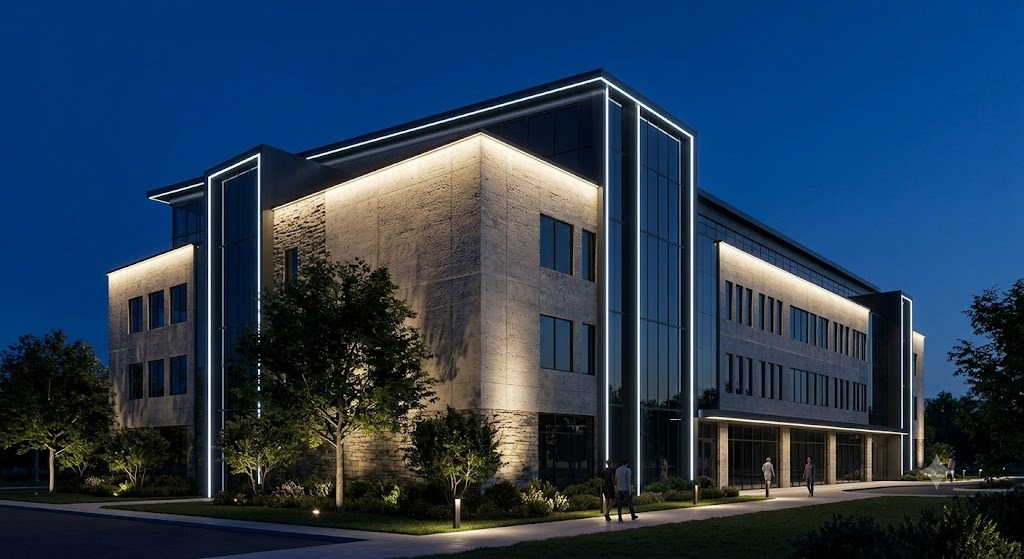
A well-designed building doesn’t stop making an impression when the sun goes down. The right outdoor LED lighting enhances architectural features, improves safety, and helps create inviting spaces for people to enjoy. Just as importantly, it influences long-term maintenance costs and the overall performance of the property. Companies like GCZICO, an engineering-grade outdoor lighting manufacturer, understand that successful architectural lighting starts with careful planning rather than simply choosing fixtures at the end of a project.
Yet lighting is often treated as one of the final decisions in a construction project. Planning it from the beginning makes it much easier to achieve the desired appearance while avoiding costly adjustments later. Whether you’re developing a commercial building, hotel, bridge, or public space, choosing the right outdoor LED lights is an investment that delivers lasting value.


Start by Understanding What the Project Needs
Before comparing fixtures or reviewing product specifications, take a step back and consider what the project is trying to achieve. Every building has its own lighting objectives, and understanding them early will help guide every decision that follows.
A hotel may aim to create a warm, welcoming atmosphere, while an office building might focus on a clean, contemporary appearance. Public spaces, bridges, and commercial developments each have their own functional and visual requirements.
It’s also worth identifying which architectural features deserve attention. You may want to highlight a building’s façade, emphasize entrances, showcase landscaping, or create visual interest with carefully placed accent lighting. Coordinating these goals with architects, landscape designers, and contractors early in the planning process helps ensure the lighting integrates seamlessly with the overall design.
Pick the Right Type of Fixture for the Job
Once you’ve established the project’s goals, the next step is selecting fixtures that suit each application. Different areas of a building require different lighting solutions, and matching the fixture to its intended purpose produces the best results.
LED wall washer lights are ideal for evenly illuminating façades, bringing out textures and architectural details. Linear lights work well for outlining rooflines, curtain walls, and other structural features, creating clean, continuous lines of light. Inground lights direct illumination upward, making them an excellent choice for columns, sculptures, trees, and feature walls. When broader coverage is needed, floodlights can effectively illuminate larger architectural elements without compromising flexibility. Point lights and flexible neon strips are often used to create decorative accents and dynamic lighting effects that add character to a building after dark.
Choosing the wrong fixture can lead to uneven lighting, unnecessary energy consumption, or additional installation work. Rather than selecting products based on appearance alone, focus on how each fixture contributes to the overall lighting design. Manufacturers such as GCZICO also support architectural projects with fixture options designed for a wide range of building applications. The result is a more cohesive, functional, and visually appealing project.
Think Beyond Brightness
The brightest fixture isn’t always the best choice. In architectural lighting, how light is distributed often matters more than how much light is produced.
Start by considering the beam angle. Narrow beams are ideal for highlighting columns, sculptures, and other architectural details, while wider beams provide even illumination across large façades. Color temperature also has a significant impact on the finished look. Warmer tones create a comfortable, welcoming atmosphere that’s well suited to hotels, resorts, and landscaped areas. Cooler tones complement modern commercial buildings by delivering a crisp, contemporary appearance.
Glare is another factor that deserves attention. Well-controlled lighting improves visual comfort and keeps the focus on the building itself instead of creating distractions for pedestrians or neighboring properties. Combined with even light distribution, the right balance creates a refined, professional result without relying on excessive brightness.
Make Sure the Fixtures Can Handle the Environment
Outdoor lighting is expected to perform year after year, often in demanding conditions. Rain, dust, intense sunlight, humidity, and changing temperatures can all affect a fixture’s performance if it isn’t built for the environment.
Instead of judging a fixture by its appearance alone, look closely at its construction. An appropriate IP rating provides protection against water and dust, while corrosion-resistant finishes help extend service life in coastal or industrial locations. Durable aluminum housings improve heat dissipation and structural strength, and UV-resistant materials help preserve both appearance and performance over time. Quality LED drivers are equally important because they contribute to stable operation and long-term reliability.
Although premium fixtures may require a higher initial investment, they typically reduce maintenance, minimize replacements, and lower operating costs throughout the life of the building.
Choose a Supplier That Supports the Entire Project
Product quality is only part of the equation. The manufacturer behind the fixtures can have just as much influence on the success of a building project.
Look for suppliers that provide more than standard products. Design assistance, lighting layout recommendations, customization options, and consistent production quality all help simplify complex installations. Reliable delivery schedules keep construction moving as planned, while technical support during installation can prevent unnecessary delays and costly mistakes. Ongoing after-sales service also makes future maintenance far easier to manage.
Working with a supplier that supports every stage of the project gives you greater confidence from the planning phase through long-term operation. Companies like GCZICO demonstrate how technical expertise and dependable project support can be just as valuable as the fixtures themselves.
The Right Choice Pays Off for Years
Choosing outdoor LED lights involves much more than comparing prices or product specifications. By defining your project’s goals, selecting the right fixtures, considering environmental conditions, and partnering with a dependable supplier, you can create a lighting system that performs as well as it looks. Thoughtful planning today results in lower maintenance costs, lasting visual appeal, and buildings that continue to impress long after construction is complete.