




















































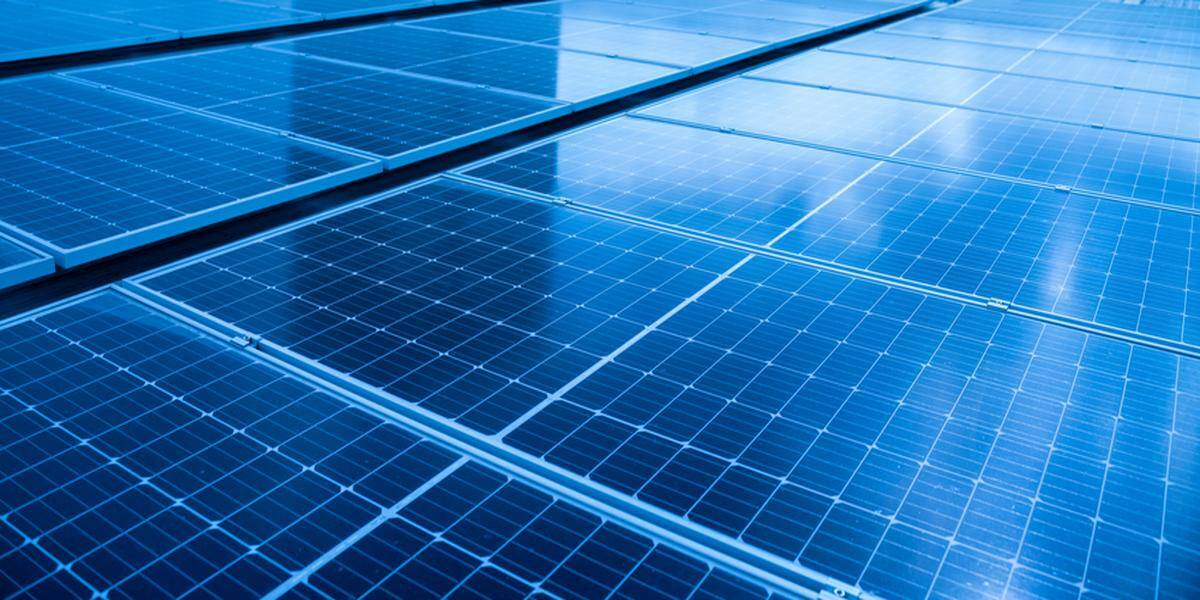
Solar Panel Recycling has shifted from a niche environmental concern into a defining topic for the renewable energy industry, and the reasons become clearer with every passing year. As the first major waves of photovoltaic installations approach the end of their 25 to 30 year lifespans, millions of modules are beginning to leave rooftops and solar farms, creating both a waste management challenge and a remarkable opportunity. Recovering the valuable materials inside these modules means fewer landfills filled with glass and metal, less reliance on imported raw materials, and a cleaner future for an industry that promised one from the start.
What Is Solar Panel Recycling?
Solar Panel Recycling is the process of dismantling retired photovoltaic modules and recovering the reusable materials locked inside them, including glass, aluminum, silicon, silver, and copper. Unlike simple disposal, genuine PV module recycling separates each component so it can re-enter the manufacturing supply chain rather than sitting in a landfill for centuries. According to the International Renewable Energy Agency, global solar panel waste could reach 78 million tonnes by 2050, which means the decisions the industry makes now will shape the sustainability of clean energy for generations.


The process matters because modern panels are not simple devices. A crystalline silicon module is a laminated composite of tempered glass, aluminum frames, polymer encapsulants, copper wiring, silver paste, and silicon cells bonded together under heat and pressure. Separating these materials without destroying them is the technical heart of modern Solar Panel Recycling.
How the Solar Panel Recycling Process Works
The solar recycling process varies by facility, but most advanced operations follow a similar sequence of mechanical, thermal, and chemical steps designed to recover the maximum amount of material at the highest possible purity.
Dismantling and Frame Removal
Every Solar Panel Recycling operation begins with manual or automated removal of the aluminum frame and the junction box. Both components are straightforward to recycle and re-enter standard aluminum and copper scrap markets with minimal loss. This first stage typically recovers close to one hundred percent of the aluminum from each module, which is significant because frames account for a meaningful share of the panel’s overall weight and scrap value.
Glass Separation and Shredding
Because tempered glass makes up roughly 70 to 75 percent of a photovoltaic panel by weight, separating it cleanly is critical to effective Solar Panel Recycling. Recyclers use specialized tools to detach glass sheets from the laminated cell material, then shred or crush the remaining laminate into manageable fragments. Properly separated glass can be reused in insulation, construction, fiberglass, and in some cases new photovoltaic modules, while the shredded laminate moves on to deeper recovery stages.
Thermal and Chemical Recovery
For the silicon cells, silver, and copper trapped inside the laminate, recyclers turn to thermal and chemical processes. Thermal treatment at temperatures above 500 degrees Celsius burns off the polymer encapsulants, releasing the cells and metal contacts. Chemical leaching with acids then dissolves and recovers precious metals like silver, along with copper and high purity silicon suitable for refining. The most advanced Solar Panel Recycling operations now recover up to 95 percent of a panel’s total mass, turning what was once waste into raw materials for the next generation of clean energy products.
Why End-of-Life Solar Panels Have Become an Urgent Issue
The urgency around end-of-life solar panels has intensified for three reasons. The first is volume. Large-scale solar installations deployed between 2010 and 2015 are entering replacement and repowering cycles, and the wave will only grow through the 2030s. The second reason is environmental. Panels that are casually landfilled can leach small amounts of lead and cadmium into soil and water, undermining the very environmental promise that solar energy represents. The third is economic. The U.S. Environmental Protection Agency and the Department of Energy have both highlighted that valuable materials locked inside retired modules represent a strategic domestic supply of critical minerals, from silver to silicon, that the country would otherwise need to import. Proper Solar Panel Recycling addresses all three pressures at once.
Materials Recovered Through PV Module Recycling
PV module recycling recovers a surprisingly rich mix of materials. Glass is the largest share by weight, followed by aluminum from the frame and copper from wiring and contacts. Silicon, the heart of each solar cell, can be refined and reused in new modules, avoiding the energy-intensive process of mining and purifying virgin silicon. Silver, used in the conductive paste that connects cells, is small in volume but high in value, and is often what makes the economics of Solar Panel Recycling work. Research from the National Renewable Energy Laboratory suggests that by 2035 recycled materials from retired panels could provide more than half of the silver needed for new photovoltaic manufacturing, along with over thirty percent of the aluminum, silicon, and glass.
The Environmental Benefits of Recycling Solar Panels
Recycling solar panels delivers environmental benefits that compound over time. Each recycled module keeps toxic heavy metals out of landfills, reduces the demand for newly mined minerals, and lowers the embodied carbon of future solar installations. Every recycled panel is estimated to avoid roughly 1.5 tons of carbon dioxide emissions across its lifecycle when its materials are reused rather than replaced by freshly mined resources. Proper solar panel disposal through certified Solar Panel Recycling facilities also strengthens the circular economy, ensuring that the clean energy transition remains genuinely clean from manufacturing to decommissioning.
Challenges Facing the Solar Panel Recycling Industry
Despite strong progress, the Solar Panel Recycling industry still faces real challenges. Recycling a single module costs between 15 and 45 dollars, while landfilling the same panel can cost as little as 1 to 5 dollars, which tilts economics toward disposal unless regulation or incentives intervene. Inconsistent rules across states and countries complicate compliance for panel owners, and not every facility labeled as a recycler performs full material recovery. Some operations remove only the aluminum frame and send the rest to a landfill, a practice that undermines public trust and the promise of true photovoltaic recycling. Transparency, chain-of-custody documentation, and third-party verification are becoming essential tools for separating genuine recyclers from greenwashed ones.
The Future of Solar Panel Recycling
The outlook for Solar Panel Recycling is brighter than it has ever been. Market analysts at Mordor Intelligence valued the global market at roughly 421 million dollars in 2025 and project it to reach approximately 718 million dollars by 2031. Regulatory momentum is also building in North America, with state-level recycling laws spreading and the Environmental Protection Agency exploring a universal waste designation for retired panels that would simplify handling nationwide. Technology is advancing too, with laser-based separation, closed-loop material recovery, and modular designs that allow panels to be unzipped rather than crushed. Together, these shifts are turning end-of-life solar panels from a looming liability into a cornerstone of a more sustainable, circular clean energy economy.
For homeowners, business owners, and solar operators alike, the takeaway is simple. Solar Panel Recycling is no longer optional or experimental. It is the practical, responsible, and increasingly profitable way to close the loop on renewable energy, and the industry that builds it properly today will define the environmental credibility of solar power for decades to come.