




















































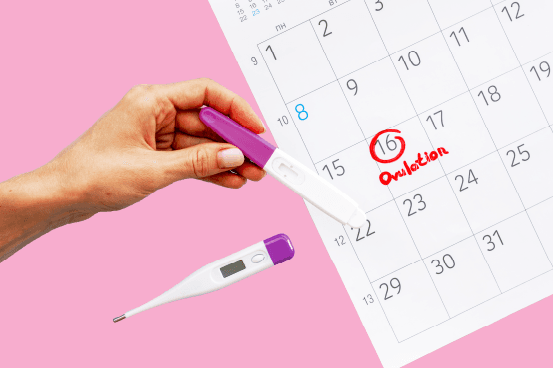
Ovulation calculators have long been a go-to resource for women trying to conceive, helping pinpoint the most fertile days in a menstrual cycle. But what happens to all that fertility data once you see those two pink lines? Many expecting mothers are surprised to learn that the ovulation tracking information they gathered before conception remains incredibly useful throughout early pregnancy. Far from being a tool you set aside after a positive test, an ovulation calculator can offer meaningful pregnancy insights that complement your prenatal care journey. By understanding your ovulation date and cycle patterns, you gain a clearer picture of conception timing, estimated due dates, and early fetal development milestones. For expecting mothers navigating the exciting yet overwhelming first weeks of pregnancy, this data becomes a bridge between home monitoring and clinical guidance. Whether you’re curious about why your doctor calculates gestational age differently than you expected, or you want to better understand the changes happening in your body, leveraging ovulation calculator data empowers you with knowledge during one of life’s most transformative experiences.
Understanding Ovulation Calculators: Basics and Functionality
An ovulation calculator is a digital tool designed to predict when a woman is most likely to ovulate based on her menstrual cycle data. At its core, the calculator uses two primary inputs: the average length of your menstrual cycle and the first day of your last period. More advanced versions also factor in luteal phase length—the time between ovulation and your next period—which typically spans 12 to 16 days. By working backward from expected menstruation, the tool estimates the day an egg is released from the ovary, identifying your peak fertility window.


These calculators come in various forms, from simple online tools that require minimal input to sophisticated smartphone apps that incorporate basal body temperature readings, cervical mucus observations, and even hormonal test results. While no ovulation calculator guarantees pinpoint accuracy—since cycles naturally fluctuate due to stress, illness, or hormonal shifts—they provide a reliable framework for understanding your reproductive patterns. Apps with machine learning capabilities improve their predictions over time as they accumulate more of your personal cycle data. This foundational understanding of how an ovulation calculator processes your information becomes essential when we explore how that same data transforms into a valuable pregnancy resource, offering insights that extend well beyond the moment of conception.
Early Pregnancy Insights: What Ovulation Data Reveals
Once conception occurs, your tracked ovulation date becomes a powerful reference point for understanding exactly where you stand in early pregnancy. Unlike gestational age—which doctors calculate from the first day of your last menstrual period—your ovulation data reveals the likely moment of actual conception, typically occurring within 24 hours of ovulation. This distinction matters because it explains why your doctor might say you’re “six weeks pregnant” when you know conception happened only four weeks ago. Gestational age adds approximately two weeks to account for the pre-ovulation phase of your cycle, and understanding this discrepancy helps eliminate confusion during those first prenatal appointments.
Your estimated ovulation date also serves as the foundation for calculating a more personalized due date. While standard due date formulas assume a 28-day cycle with ovulation on day 14, women who tracked their actual ovulation know their cycles may differ significantly. If you ovulated on day 18 rather than day 14, your true due date shifts by four days—a detail that becomes clinically relevant when discussing induction timelines or assessing fetal growth later in pregnancy. Beyond dating, ovulation data helps you map early pregnancy milestones with greater precision. Around two weeks post-ovulation, implantation occurs, often accompanied by light spotting or cramping that many women mistake for an approaching period. By three weeks post-ovulation, hCG levels rise enough for a positive pregnancy test, and by weeks four through five, early symptoms like breast tenderness, fatigue, and nausea typically emerge. Knowing your ovulation date allows you to correlate these experiences with specific fetal development stages—such as the formation of the neural tube around four weeks post-conception or the beginning of a detectable heartbeat near week five—transforming abstract timelines into a tangible understanding of what’s happening inside your body.
Fertility Tips and the Luteal Phase for a Healthy Pregnancy
The fertility tips that helped you conceive don’t lose their relevance once pregnancy begins—they simply shift focus toward sustaining a healthy environment for your developing baby. The luteal phase, that critical window between ovulation and menstruation, plays a particularly important role in early pregnancy stability. During this phase, the corpus luteum produces progesterone, the hormone responsible for thickening the uterine lining and supporting embryo implantation. If you tracked your luteal phase before conception and noticed it consistently lasted fewer than 10 days, this information is worth sharing with your healthcare provider, as a short luteal phase can sometimes signal lower progesterone levels that may need monitoring or supplementation during the first trimester.
For expecting mothers, maintaining the healthy habits that optimized fertility continues to support pregnancy outcomes. Nutrition remains paramount—folate-rich foods like leafy greens, legumes, and fortified grains support neural tube development during the earliest weeks, while adequate iron and omega-3 fatty acids promote placental health and blood volume expansion. Stress management deserves equal attention, since elevated cortisol can influence progesterone production and overall hormonal balance. Gentle movement like walking or prenatal yoga, consistent sleep schedules, and mindfulness practices all contribute to a stable hormonal environment. Limiting caffeine intake, staying well-hydrated, and avoiding environmental toxins round out practical lifestyle adjustments that bridge the gap between fertility optimization and pregnancy wellness. Women who used ovulation calculators to monitor their luteal phase length already possess valuable insight into their progesterone patterns, giving them a head start in conversations with their doctor about early pregnancy support strategies.
A Practical Guide to Using Ovulation Calculators for Pregnancy Monitoring
Transitioning from fertility tracking to pregnancy monitoring requires a few intentional adjustments to how you use your ovulation calculator. While these tools weren’t originally designed for pregnancy tracking, the data they hold and the frameworks they provide can be repurposed to support your first trimester journey. Here’s how to make that shift effectively.
Step 1: Updating Your Calculator After Conception
Once you confirm pregnancy, resist the urge to delete your cycle history. Instead, lock in your last known ovulation date as a fixed reference point. If your app allows notes or custom entries, mark the confirmed ovulation date and the date of your positive pregnancy test. Some apps like Flo and Clue offer a pregnancy mode that automatically transitions your data into a gestational tracking format—activate this feature if available. If you’re using a basic online calculator, record your last menstrual period start date and your confirmed or estimated ovulation date separately, as both will be useful when cross-referencing with your doctor’s calculations. Adjust your expectations: the calculator is no longer predicting future fertile windows but rather serving as an archive of cycle data that informs pregnancy timelines.
Step 2: Interpreting Results for Pregnancy Insights
Use your recorded ovulation date to calculate fetal age (conception age), which runs approximately two weeks behind the gestational age your doctor uses. If your ovulation occurred on cycle day 21 rather than the assumed day 14, you can identify a one-week discrepancy between standard dating and your actual timeline—information that matters when interpreting early ultrasound measurements. Cross-reference your ovulation date with developmental milestones: at 14 days post-ovulation, implantation should be complete; by 21 days, the embryonic heart begins forming; by 35 days, major organ systems are developing. This mapping helps you contextualize symptoms and understand why certain prenatal vitamins or precautions are emphasized during specific weeks.
Step 3: When to Seek Medical Advice
Your ovulation data becomes clinically relevant in several scenarios that warrant professional consultation. If your calculated conception date and your ultrasound dating differ by more than five to seven days, discuss this with your provider—it may indicate irregular ovulation timing or warrant closer growth monitoring. Contact your doctor if you experience heavy bleeding or severe cramping during the expected implantation window, or if pregnancy symptoms suddenly disappear before eight weeks post-ovulation. Share your luteal phase history if it was consistently short, as this context helps your provider decide whether early progesterone testing is appropriate. Remember that ovulation calculators are informational supplements, not diagnostic tools—they enhance your awareness but never replace clinical assessment.
Integrating Insights with Prenatal Care and Fetal Development
The real power of ovulation calculator data emerges when you bring it into your prenatal care conversations. Rather than treating home tracking and clinical monitoring as separate endeavors, combining them creates a more complete picture of your pregnancy’s progression. When you share your confirmed ovulation date and cycle history with your healthcare provider, they can refine gestational age estimates, interpret ultrasound measurements with greater context, and tailor their recommendations to your specific timeline. This collaboration proves especially valuable during the first trimester, when fetal development milestones—like organogenesis and neural tube closure—occur rapidly and precise dating influences clinical decisions.
Technology bridges the gap between what you observe at home and what your doctor measures in the clinic. Many prenatal apps now sync with earlier fertility tracking data, creating a continuous timeline from ovulation through each trimester. Brands like Momcozy have recognized this evolving need, supporting mothers with resources and products that accompany them from the conception journey through pregnancy and beyond. This integrated approach helps you understand why certain blood tests are ordered at specific weeks, why ultrasound measurements might vary slightly from expected ranges, and how your body’s unique cycle patterns influence pregnancy progression. By viewing your ovulation calculator not as a standalone tool but as one component of a broader monitoring ecosystem, you transform passive data into active participation in your prenatal care—empowering informed questions during appointments and deeper comprehension of your baby’s developmental journey.
From Ovulation Tracking to Empowered Pregnancy Care
An ovulation calculator’s value extends far beyond identifying fertile windows—it becomes a meaningful companion during early pregnancy, offering insights that deepen your understanding of conception timing, gestational age, and fetal development milestones. By preserving your cycle data and ovulation dates after conception, you gain the ability to calculate more accurate due dates, contextualize early pregnancy symptoms, and identify discrepancies that deserve clinical attention. The fertility tips and luteal phase awareness you developed while trying to conceive transition seamlessly into pregnancy wellness strategies, supporting progesterone health, optimal nutrition, and hormonal balance during those critical first weeks. Using your ovulation calculator as a pregnancy monitoring tool—updating entries, interpreting results against developmental timelines, and recognizing when professional guidance is needed—transforms you from a passive participant into an informed advocate for your own care. However, these insights work best when integrated with professional prenatal support rather than used in isolation. Share your tracked data with your healthcare provider, ask informed questions during appointments, and trust that the knowledge you’ve gathered strengthens the partnership between you and your medical team. Your pregnancy journey benefits most when home awareness and clinical expertise work hand in hand.