



















































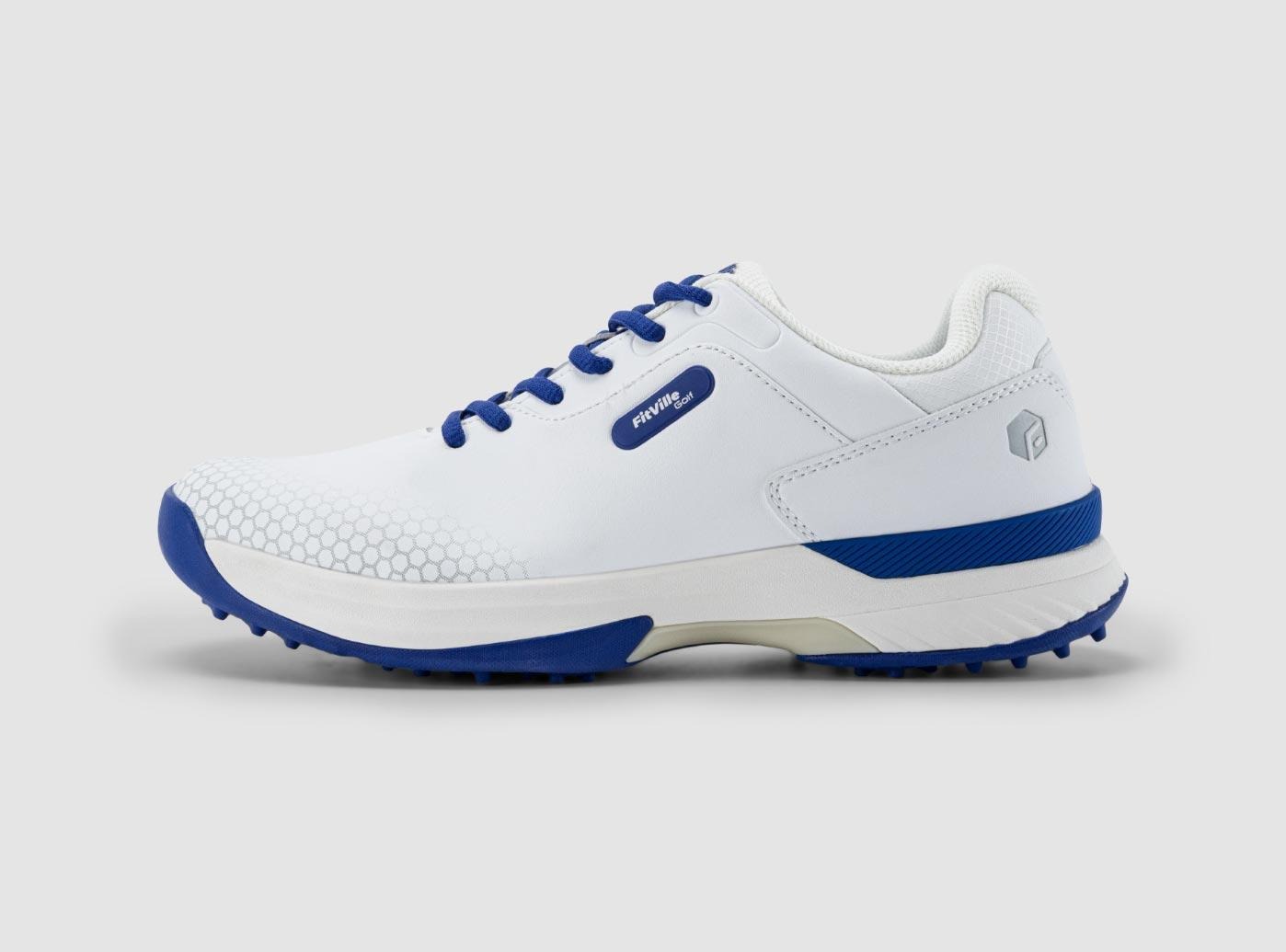
Weekend golf has a different rhythm from tournament play.
Most players are not chasing trophies or preparing for a professional event. They are fitting a round around work, family plans, travel and unpredictable British weather. The day may begin with a drive to the club, continue through four hours on the course and finish with time in the clubhouse or another stop on the way home.


Footwear has to cope with all of it.
For years, golf shoes were judged mainly by grip and tradition. They needed to look correct, hold the turf and survive wet ground. Comfort was welcomed, but it was not always the main concern.
That is changing. Everyday golfers now expect shoes that feel less rigid, provide more room and remain comfortable beyond the first few holes. The result is a shift towards footwear that suits the whole weekend experience rather than the swing alone.
A Round Involves More Walking Than It Appears
Golf can look fairly relaxed from outside the game. Players walk, stop, swing and move on.
Across eighteen holes, however, those small movements add up. There are slopes, paths, wet grass, bunker edges and long periods spent standing while others take their shots. Even golfers using a buggy still walk around greens and between parts of the course.
The feet also work during the swing. Weight moves from one side to the other, and the player needs a stable base without feeling restricted.
A shoe that is slightly uncomfortable at the first tee may feel far worse by the final holes. Pressure builds around the toes. The heel begins rubbing. The sole starts to feel harder beneath the forefoot.
For weekend players, that can change the mood of the round. Attention drifts from the game towards the next bench, buggy path or chance to sit down.
UK Conditions Demand Versatility
British golfers rarely enjoy completely predictable ground.
A course may be dry at the start of the week and soft by Saturday morning. Rain can arrive midway through a round. Paths become slick, rough areas stay damp and clubhouse floors add another surface to manage.
Traditional heavy golf shoes can handle poor conditions but may feel stiff during longer walks. Lightweight styles may be easier on the feet while offering less protection from water.
Modern designs try to sit between those extremes. Players increasingly look for enough grip for wet grass, some resistance to changing weather and cushioning that still feels comfortable on firmer paths.
The best choice depends on the course and season. Someone playing exposed coastal layouts may need different footwear from a golfer using a flatter inland club.
Comfort-led design does not mean ignoring the weather. It means finding protection without making the shoe unpleasant for the rest of the day.
More Room Is Becoming a Real Priority
A common complaint among golfers is pressure across the forefoot.
Many traditional styles narrow towards the toes, creating a smart shape but leaving limited internal space. That becomes more noticeable after several hours, especially when the feet warm or swell slightly.
Buying a longer size is not always the answer. Extra length may allow the heel to move while the front still feels narrow.
Purpose-built wide fit golf shoes offer a different approach. They create additional room across the forefoot while aiming to keep the heel and middle of the foot secure.
That balance matters. Golfers need space around the toes, but they also need control during the swing.
A shoe that feels loose throughout may be as distracting as one that feels tight.
Comfort Is More Than Thick Cushioning
Sports footwear often uses softness as a quick sign of comfort.
A deeply cushioned sole can feel impressive during the first few steps. On the course, however, the foot also needs stability.
If the sole feels too soft, the golfer may feel less controlled while turning or shifting weight. On uneven ground, excess movement beneath the foot can become tiring.
A very firm sole creates the opposite problem. Hard paths and dry fairways begin to feel unforgiving as the round continues.
The useful middle ground is cushioning that reduces the harshness of repeated steps without creating a sinking feeling. The shoe should remain steady while still offering enough protection beneath the heel and forefoot.
For everyday golfers, that balance is often more valuable than a design built around one dramatic feature.
Spikeless Shoes Have Changed Weekend Habits
Spikeless footwear has helped make golf shoes more practical beyond the course.
Traditional spikes provide strong traction, but they can feel awkward on hard floors and usually require changing before entering certain areas. Spikeless soles allow players to move more easily between the car park, clubhouse and course.
This suits weekend golf, where convenience matters.
A player may stop for coffee before the round, drive home afterwards or continue with other plans without wanting to carry another pair of shoes. A versatile golf shoe reduces that inconvenience.
Spikeless designs are not identical. Some provide stronger grip than others, and wet or hilly courses may still require more aggressive traction.
The benefit lies in choice. Golfers can now find footwear that feels closer to a walking trainer while still being designed for the movement and surfaces involved in golf.
Better Footwear Can Make Walking More Appealing
Golf is one of the few sports that can combine gentle competition with several hours outdoors.
For many weekend players, walking is part of the appeal. It provides time to talk, observe the course and enjoy a break from screens and work.
Uncomfortable shoes can reduce that benefit. Players begin relying on buggies more often or choosing shorter formats because the feet feel tired.
There is nothing wrong with using a buggy when needed. The issue is when poor footwear makes the decision on the player’s behalf.
Comfort-focused shoes can make walking the course feel more realistic for golfers who might otherwise avoid it. They do not create fitness, but they remove one source of resistance.
That can be particularly useful for older players, returning golfers and anyone whose foot shape does not suit narrow traditional designs.
Weekend Golfers Need Different Things From Professionals
Professional players may choose shoes around tournament pressure, course conditions and highly specific swing preferences.
The average UK golfer often has a broader set of concerns.
The shoes need to work through a full round, cope with the weather and still feel presentable in the clubhouse. They should be reasonably easy to clean and comfortable enough for the journey home.
Many players also do not want to replace footwear every season. Durability still matters, but it now has to sit beside flexibility and fit.
This explains why golf footwear is beginning to resemble everyday sports shoes. The design is becoming more wearable because weekend players use it in more ordinary ways.
Performance remains important. It is simply being defined more broadly.
Fit Should Be Tested Properly
Golf shoes should not be judged from a few steps on soft shop flooring.
Feet may become slightly larger later in the day, so trying shoes in the afternoon can provide a more realistic fit. Players should wear the same type of socks they normally use on the course.
Walk in both shoes. Turn, stop and place weight through the front of the foot. Notice whether the heel lifts or the toes feel compressed.
There should be enough space at the front without the foot sliding inside. Pressure across the sides should not be dismissed as something that will automatically disappear.
Some materials soften with wear, but the basic shape of the shoe usually remains.
New Shoes Need a Short Trial
A full weekend round is not the right place to test a new pair for the first time.
Wear them at home, then during a short walk or practice session. A visit to the driving range or a few holes can reveal pressure points before the shoes are used for an entire day.
Afterwards, check for rubbing around the heel, toes and forefoot.
Breaking in should mean allowing materials to settle. It should not mean enduring pain until the foot becomes used to it.
Players changing to wide fit golf shoes may notice that the front feels different from a standard model. That extra room should still come with a secure fit elsewhere.
Style Has Not Disappeared
Golf remains a sport with a strong visual identity.
Players still care about whether shoes work with trousers, shorts and outerwear. Clubs may also have expectations about what looks suitable.
Comfort-led footwear does not require giving up that sense of style.
Modern golf shoes are available in cleaner shapes, neutral colours and less bulky designs. Some look closer to everyday trainers, while others retain a more traditional upper.
The useful change is that golfers have more freedom to choose a shape that fits properly without appearing out of place.
A player should not need to choose between looking ready for the course and being able to finish the round comfortably.
Comfort Can Change the Whole Round
Golf footwear cannot improve every shot. It will not correct a slice or rescue a poor decision around the green.
It can make the hours between those shots easier.
A comfortable shoe allows the player to walk naturally, stand without constant adjustment and concentrate on the game rather than the feet. It supports the social side of the round as much as the physical one.
That matters for weekend golfers because enjoyment is often the main reason they return.
The sport already asks for time, patience and the willingness to accept an unpredictable scorecard. Footwear should not add another unnecessary challenge.
As comfort becomes a greater part of golf shoe design, UK players are gaining options that suit the real shape of a weekend round: long, varied and meant to be enjoyed.