


















































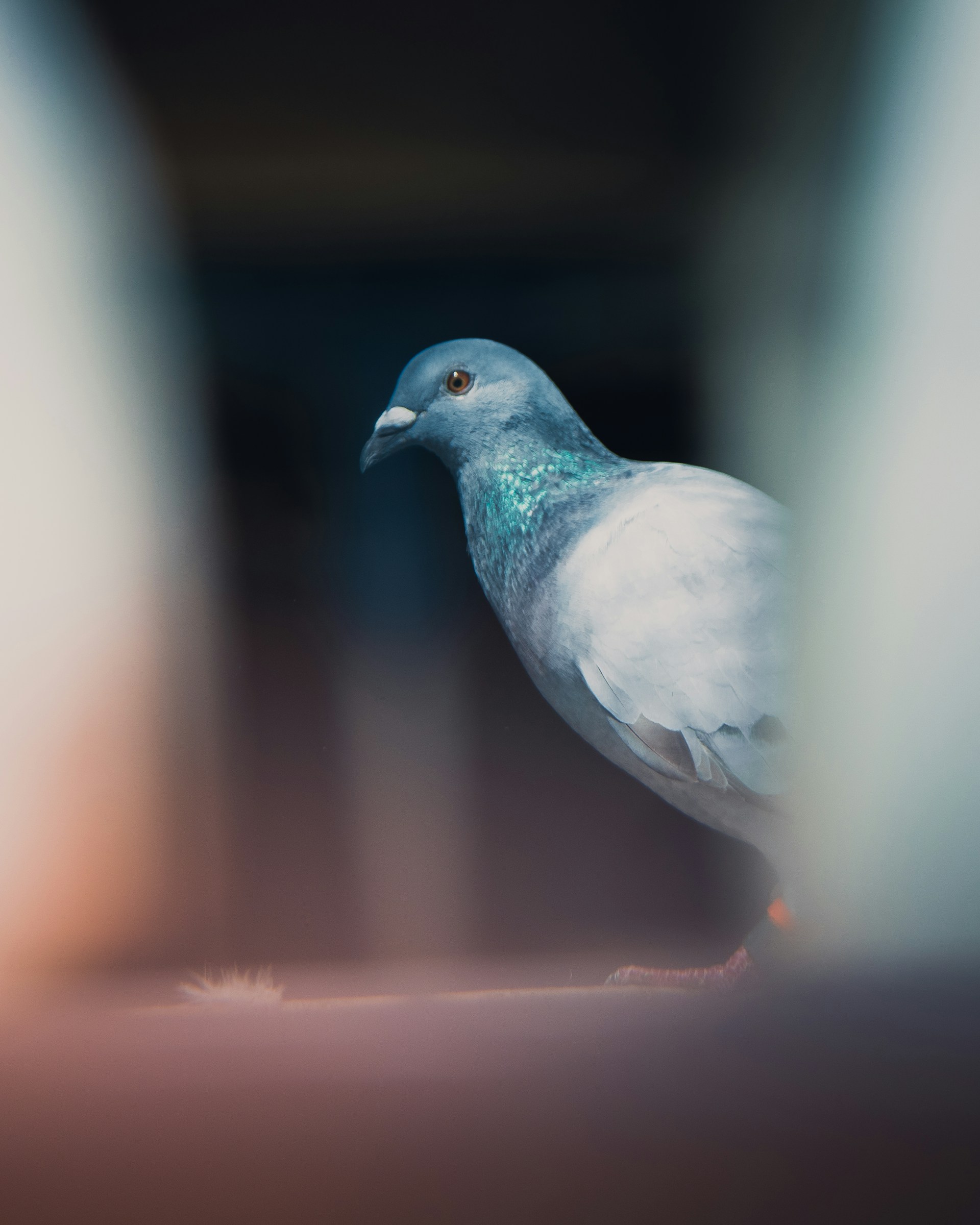
It’s important to care for our wildlife, even in urban areas. And built-up areas are particularly appealing to a variety of birds, like pigeons, gulls and corvids.
However, there is a key by-product of nesting birds which threatens a town’s infrastructure: their droppings.


Like all living things, birds have to produce waste. Unfortunately, in urban areas, this usually means it’s landing on your house or car. The issue with this is, over time accumulated waste can damage the structural integrity of whatever it’s landed on.
Why are bird droppings so common in urban areas?
Cities and towns provide food, shelter and warmth, making them the ideal habitat for many urban birds. And more birds means more droppings.
The offered protection from predators and harsh weather keeps urban birds in cities. And so the bird droppings stack up.
What makes bird droppings damaging?
Bird droppings have the unique appearance of dark, solid material with white liquid. This is because, unlike mammals, birds excrete solid and liquid waste together.
Birds conserve water efficiently, so their waste is thicker and more concentrated. For this reason their waste is more difficult to clean. And the acidic nature of the white portion causes lasting damage when left untreated.
Are bird droppings toxic to humans?
While bird droppings don’t contain poisonous substances, they can cause health issues if a person is constantly exposed to a significant amount.
Exposure to contaminated droppings may cause:
- Respiratory illness through airborne spores
- Fungal infections as a result of contaminated dust
- Allergic reactions
Because of this, human living spaces with heavy bird activity should be regularly cleaned. This minimises the risk of being exposed to harmful microorganisms that may be present in the droppings.
How do bird droppings damage buildings?
Bird droppings usually build-up in areas where birds nest, including:
- Solar panels
- Air conditioning units
- Rooftops
- Commercial signs
- Balconies
- Warehouses
When areas like this aren’t regularly checked and cleaned to prevent the accumulation of bird droppings, aesthetic and structural damage can occur over time. The uric acid in bird droppings can lead to:
- Metal fixtures being corroded
- Damage to painted surfaces
- Stone and concrete being permanently stained
- Gutters and drainage systems being blocked
Safely cleaning bird droppings
If your property has been a site for bird nesting and now your house, car or garden is covered in bird faeces it should be removed promptly and carefully to minimise possible health risks.
PPE
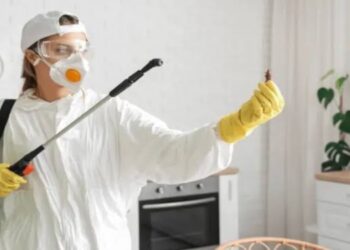
Appropriate protective equipment should be worn when cleaning areas contaminated with bird droppings. For example:
- Gloves
- A face mask or respirator
- Eye protection (goggles or protective glasses)
- Clothing that covers any bare skin
Dressing in protective clothing and taking the necessary precautions limits the risk of exposure to contaminated dust and bacteria.
How to clean bird droppings from your property
- Wet the droppings
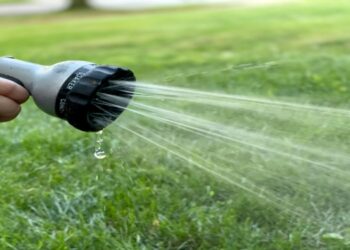
Lightly dampening the droppings before removing them stops any dried particles from becoming airborne and causing respiratory issues.
- Remove waste
With a soft sponge, gently wipe off the waste from your property. Harsh tools may seem more effective but they risk leaving scratches, especially on painted surfaces.
- Disinfect
Once the waste has been removed, affected surfaces should be wiped down with a disinfectant. This eliminates all dangerous bacteria and protects your property’s hygiene.
In most cases, bird droppings can be safely removed yourself. But in some situations calling for professional help is necessary, for example if:
- There are large amounts of bird waste
- The rooftop is infested
- The droppings are on an industrial or commercial site
- A majority of the droppings are in a hard to reach spot
Preventing bird droppings around your property
To reduce bird droppings on your property you have to prevent birds nesting around or inside your home or building. Here are some options for effective bird control.
Removing food sources
Clearing waste properly and limiting easily accessible food sources around your home dissuades birds from gathering and nesting on your property. Instead they’ll go somewhere that offers a more sustainable food supply.
Bird netting
Properly installed netting prevents birds from entering rooftops, balconies, and structural openings, without causing harm to any wildlife. It’s important to have all netting installed by a bird control specialist to make sure it’s effective and humane.
Regular building maintenance
Regularly checking around your property for bird activity means you can prevent bird droppings building up and becoming unmanageable. This limits damage, health risks, and saves money on needing professional cleaning assistance.
Final thoughts
Birds have to nest, eat and produce waste. And in urban areas the huge population of city-dwelling birds means more bird droppings on houses, cars, signs and statues.
In small amounts, it can be easily managed when proper care is taken. However, when it becomes excessive it’s important to call a professional and consider appropriate bird control to limit property damage and health risks.