




















































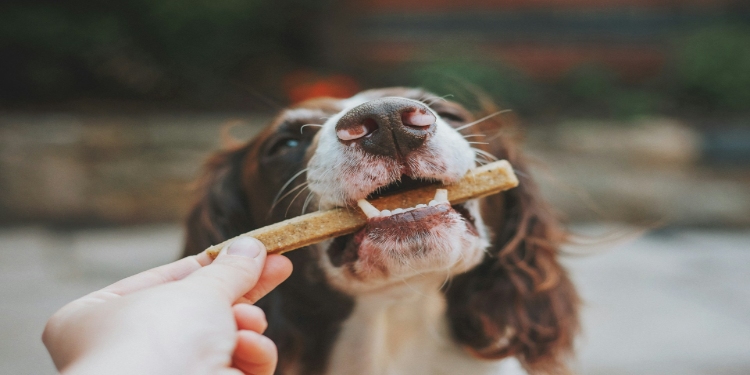
Most dog owners give treats without thinking much about what goes into them. A biscuit here or a chew there can seem harmless, but ingredient quality can vary widely between products. The difference between natural and heavily processed treats often lies in how they’re made and how they’re digested by dogs. Continue reading to understand what sets natural treats apart and why it matters for your dog’s wellbeing.
What Goes Into Processed Dog Treats
Processed dog treats are typically designed for a long shelf life, a consistent texture, and broad consumer appeal. That usually means a long list of additives. Artificial flavourings, preservatives like BHA and BHT, added sugars, and binding agents are all common in mass-produced snacks.


Some of these ingredients serve no nutritional purpose at all. They’re there to make the product look appealing, smell enticing, or last longer on the shelf. For dogs that eat these treats regularly, that’s a meaningful chunk of their daily intake going towards fillers rather than nutrients.
Colouring agents are another one to watch. Dogs don’t care what colour their treat is, as this is purely for the benefit of the person buying it. Artificial dyes have been linked to sensitivities and digestive issues in some dogs, and there’s simply no reason for them to be there.
Why Natural Treats Are a Better Option
Natural dog treats tend to have short ingredient lists, often with a single protein source. Think dried fish skin, air-dried meat, or dehydrated sweet potato. What you see is what you get.
Because they haven’t been heavily processed, they also retain more of their natural nutritional value. Proteins stay more intact, and the fats found in fish-based treats, for example, deliver genuine omega-3 benefits for coat health, joint function, and cognitive support. That’s something a synthetic additive can’t replicate.
Natural treats are also less likely to trigger reactions in dogs with food sensitivities. Single-ingredient options make it much easier to identify and avoid problem proteins, which is particularly useful if your dog has an intolerance you’re trying to manage.
What to Look for on the Label
Reading a treat label doesn’t need to be complicated. Some of the most important things to check are:
- Ingredient list length: shorter is generally better. The fewer ingredients, the less room for fillers.
- Named protein sources: “chicken” is better than “meat derivatives”, which can mean almost anything.
- No added sugar or salt: neither is necessary in a dog treat, and both can cause problems over time.
- Preservatives: natural preservatives like rosemary extract or vitamin E are fine. Avoid BHA, BHT, and ethoxyquin.
- Country of origin: where the ingredients come from matters. UK and EU-sourced products are held to higher welfare and food safety standards.
It’s worth spending a minute on the back of the packet before you buy. Treats make up a small but regular part of your dog’s diet, and those small contributions add up.
How Often You Should Give Treats
Even the healthiest treat can cause problems if you’re giving too many. Treats should make up no more than 10% of your dog’s daily calorie intake. For smaller breeds, that figure is reached faster than most owners realise.
Natural treats are often calorie-dense, especially meat and fish-based ones, so it’s worth checking the guidance on the packaging and adjusting meal portions accordingly. Some owners use treats as part of training, which means their dog could be getting dozens of treats a day. In this case, lower-calorie options such as thin fish strips or small pieces of meat can be a suitable choice for frequent use.
The Verdict
Switching to natural treats won’t transform your dog overnight, but it will cut out a lot of unnecessary ingredients they simply don’t need. Better coat condition, fewer digestive issues, and a simpler ingredient profile are all reasonable things to expect over time. If you haven’t already looked at what’s in your dog’s treats, the label is a good place to start.

David Prior
David Prior is the editor of Today News, responsible for the overall editorial strategy. He is an NCTJ-qualified journalist with over 20 years’ experience, and is also editor of the award-winning hyperlocal news title Altrincham Today. His LinkedIn profile is here.