

















































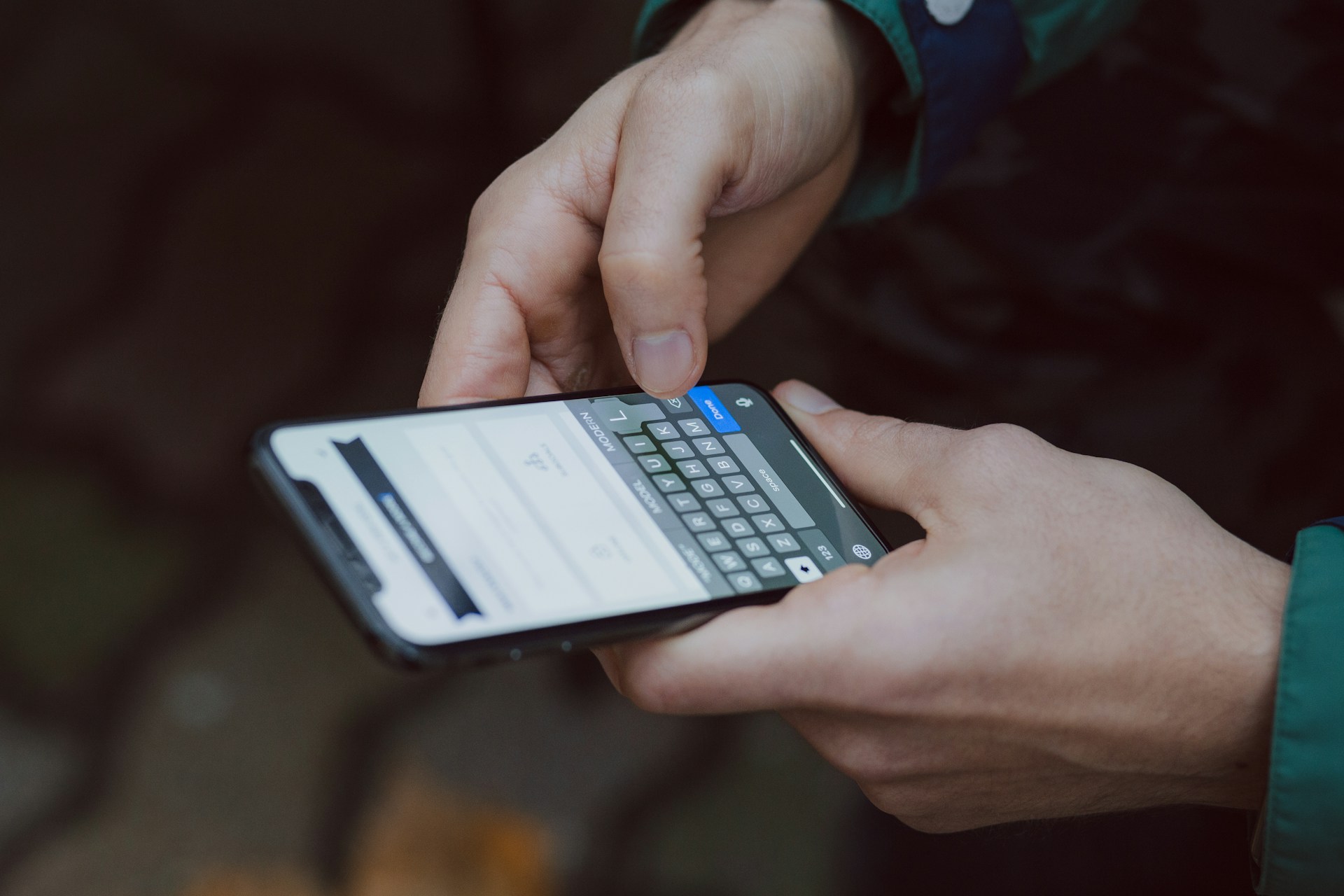
In a bold step that could set the precedent for the future of digital technology globally, South Korea has moved to introduce a universal minimum mobile data amount for its citizens. The nation’s government has pledged that all citizens will be eligible to receive mobile data at speeds up to 400 kbps, after their paid data allowance has been exhausted.
It is yet another step into the future from a nation that has been at the forefront of mobile tech for several years. It comes at a time when the country’s politicians have promised low-cost 5G contracts, showing their commitment to the digital health of its population. What’s more, it is a huge leap towards the digital communication sector being viewed as a necessity.


The vice prime minister of South Korea spoke of the need for everyday citizens to have reliable access to mobile data in a world where the internet has become crucial. It echoes a similar sentiment that former Labour leader Jeremy Corbyn espoused in his bid to become PM. Is it time for the UK to follow suit and introduce basic internet access for citizens?
No Industry Left Untouched by Digitisation in Mobile Internet Landscape
The South Korean government has spoken about the ubiquitous nature of internet use as being a driving force behind this new scheme. It has been rightly pointed out that accessing the internet – especially on the go – has become a daily part of life for everyone, no matter their job or class. One only needs to look at typically offline industries to see just how this is the case.
Take the online casino, for example. Up until the 90s, few would have been able to comprehend the idea of playing real casino games in their own home, let alone when out and about. Nowadays, though, the best online slots are those hosted on HTML5 sites that can be played across multiple devices. This has become the industry standard.
It may seem old hat to say, but the same is true of shopping. Many high streets exist in a limbo state in 2026. Most people in the UK would rather shop online than on the high street. Mobile now accounts for almost three-quarters of e-commerce. Even home shopping has taken a hit now that mobile internet access has become the norm.
What Would Universal Basic Internet Access Mean to the UK?
When Jeremy Corbyn was vying for the premiership of the UK in the 2017 General Election, a large part of his manifesto was dedicated to what was dubbed the “Digital Bill of Rights”. In it, it was proposed that all homes and businesses in the UK would have guaranteed access to high-speed internet. This was seen as a way to level the playing field for all citizens, removing roadblocks for less wealthy individuals.
That manifesto was, according to Labour leadership, fully costed at around £55bn. The broadband aspect of it came in at almost half the figure, reported to be worth around £25bn. It would have been a massive undertaking for the UK, which would soon have to contend with leaving the European Union, but 10 years on, it is worth asking whether it could have been revolutionary for a country that would soon figuratively separate itself from the continent.
According to data from 2024, the UK e-commerce industry alone was worth more than $127bn – around £90bn. Add all the other industries that rely on the internet for business, as well as the average citizen who would be enfranchised digitally, and the cost of such a scheme would appear to pay for itself.
Ultimately, South Korea, as it so often has, will act as a proof of concept for this scheme. If it is successful and the average Korean is enfranchised to a degree that allows the nation to prosper, we are likely to see similar concepts adopted here.