


















































Learn how to select the ideal equipment for your construction, landscaping, or DIY projects. Avoid common pitfalls and make informed rental decisions.
Starting a new project, whether it’s a major construction build, a landscaping overhaul, or even a significant DIY home improvement, often brings the same immediate challenge: figuring out exactly what tools and machinery you’ll need. The sheer variety of equipment available can be overwhelming, and making the wrong choice can lead to costly delays, wasted effort, and potentially unsafe working conditions. Understanding your project’s demands is the first crucial step in avoiding these common headaches.


Understanding Your Project’s Core Needs
Before you even begin looking at specific pieces of equipment, take a step back and thoroughly assess your project. What are the primary tasks you need to accomplish? Are you digging, lifting, compacting, cutting, or moving materials? Consider the scale of the work. A small garden bed requires a different approach than a large commercial excavation. Think about the terrain you’ll be working on – is it level, sloped, muddy, or rocky? Each of these factors will significantly influence the type and power of the machinery you should consider.
Key Equipment Categories and Their Applications
The world of project equipment can be broadly categorized to help make sense of the options. Understanding these categories can streamline your selection process.
Heavy Machinery for Large-Scale Operations
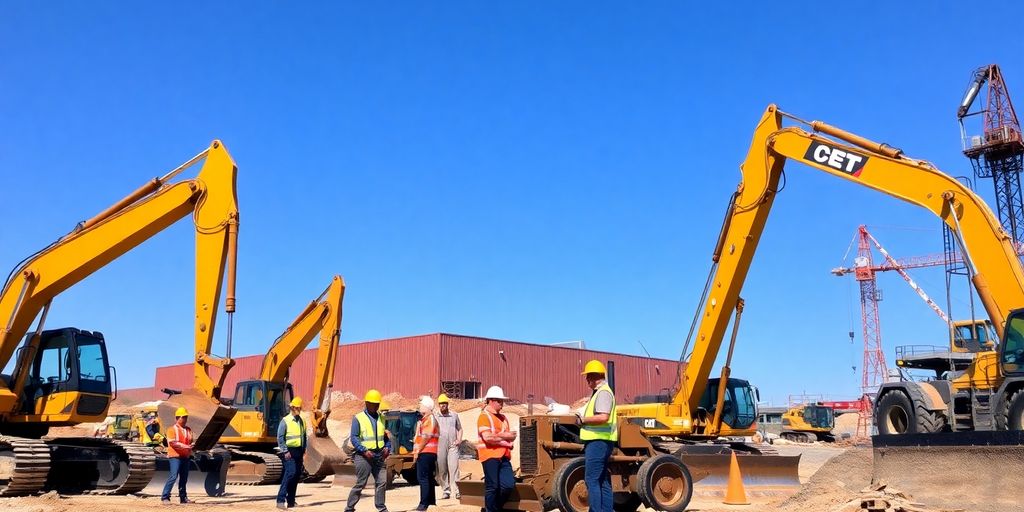
For significant earthmoving, construction, or demolition, heavy machinery is indispensable. This category includes:
- Excavators: Ideal for digging trenches, foundations, and demolition. Their versatility allows for a range of attachments.
- Loaders: Used for moving large quantities of materials like soil, sand, or debris. Skid steers and wheel loaders offer different maneuverability and lifting capacities.
- Bulldozers: Essential for leveling ground, clearing land, and pushing large volumes of material.
- Dump Trucks: Crucial for transporting materials to and from the job site.
Tools and Smaller Equipment for Finer Work
Not every project requires a massive machine. Many tasks involve more localized or detailed work, where smaller, specialized equipment shines:
- Concrete Equipment: From mixers and vibrators to saws and trowels, this is vital for any concrete pouring or finishing.
- Power Tools: Saws, drills, grinders, and sanders are staples for cutting, shaping, and finishing materials.
- Compaction Equipment: Plate compactors and rammers are used to solidify soil, gravel, or asphalt.
- Generators and Lighting: Essential for providing power and visibility on sites without existing infrastructure.
Specialized Equipment for Niche Tasks
Sometimes, a project demands highly specific tools. This could include:
- Aerial Work Platforms: Such as scissor lifts or boom lifts, for working at height safely.
- Pumps: For dewatering job sites or moving fluids.
- Heaters and Dryers: Useful for specific construction phases or emergency situations.
Common Mistakes and Misconceptions
Many project managers and DIY enthusiasts fall into predictable traps when selecting equipment. Being aware of these can save you significant trouble:
- Overestimating or Underestimating Power Needs: Choosing machinery that is too small can lead to inefficiency and damage, while equipment that is too large can be unnecessarily expensive and difficult to operate.
- Ignoring Site Conditions: Using a wheeled loader on very soft ground or a tracked machine on delicate surfaces can cause damage or get the equipment stuck.
- Forgetting About Transport: Ensure you have a plan for getting the equipment to and from your site, especially for larger items.
- Not Considering Attachments: Many machines are highly versatile with the right attachments, which can save you from renting multiple pieces of equipment.
- Skipping Operator Training or Familiarization: Even experienced individuals can benefit from a quick rundown on specific models, especially complex machinery.
Practical Takeaways for Smart Equipment Selection
Armed with this understanding, you can approach equipment selection more strategically. Here are some actionable steps:
- Create a Detailed Task List: Break down your project into its smallest components.
- Research Equipment Specifications: Understand the capabilities, dimensions, and power requirements of potential rentals.
- Consult with Experts: Don’t hesitate to ask for advice from rental professionals. They have seen countless projects and can offer invaluable insights.
- Prioritize Safety Features: Ensure the equipment meets current safety standards and is appropriate for your team’s skill level.
- Factor in Fuel and Maintenance: Understand the operating costs associated with the equipment.
Making the Decision: Rental vs. Purchase
For most projects, especially those that are not part of a company’s core, ongoing operations, renting equipment makes the most sense. It eliminates the significant upfront cost of purchasing, ongoing maintenance, storage, and the eventual depreciation of the asset. When you need a specific tool for a limited time, a reputable rental provider can offer access to a wide range of well-maintained machinery. For those in the Peace Region looking for reliable and well-maintained options, exploring local providers like https://rentcoequipment.com/ can be a practical starting point. The key is to match the rental duration and type of equipment precisely to your project’s timeline and demands.
The Future of Equipment Accessibility
As technology advances, we’re seeing a growing emphasis on efficiency, sustainability, and user-friendliness in equipment design. Expect more electric-powered options, advanced telematics for better fleet management, and even more intuitive controls. This ongoing innovation means that accessing the right tools for your job is likely to become even more streamlined and effective in the years to come, further solidifying the value of rental services for diverse project needs.