



















































Learn when a conservatory flat roof is the right solution, what structural and thermal factors matter, and when tiled or insulated ceiling options may be better.
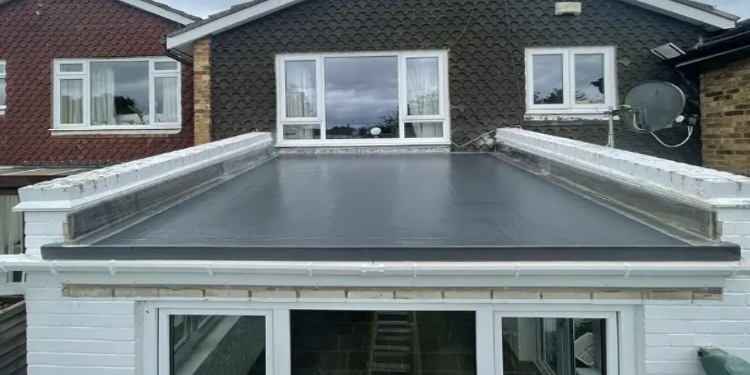
Not every conservatory upgrade needs to follow the same route. While many homeowners consider tiled systems when replacing an ageing roof, there are also situations where a conservatory flat roof is the more suitable solution. In the right setting, a flat roof can provide a cleaner external profile, strong thermal performance and a more modern finish, especially where the original conservatory layout or property style does not naturally suit a pitched replacement.


Older conservatories often suffer from the same group of familiar issues: excessive solar gain in summer, heat loss in winter, rain noise, glare and signs of material deterioration around seals, panels and junctions. When these problems continue to affect comfort and usability, homeowners usually begin comparing roof upgrade options more seriously. The decision is not simply about appearance. It depends on structure, insulation, drainage design, intended room use and how the upgraded conservatory is expected to perform over time.
Why Flat Roof Conservatory Upgrades Are Increasingly Considered
Flat roof upgrades are often chosen because they create a more contemporary appearance while also allowing for a highly controlled insulated roof build-up. This can be particularly appealing on lean-to conservatories, lower-profile rear extensions and properties where a flatter external line integrates better with the main building. In practical terms, a well-designed flat roof can improve internal comfort significantly by reducing unwanted heat transfer and helping the room feel more stable throughout the year.
Another benefit is flexibility in finish and detailing. A flat roof design can support different outer finishes and internal ceiling arrangements, allowing the conservatory to feel less like a lightweight add-on and more like a deliberate extension of the home. For homeowners focused on both performance and appearance, that combination makes flat roof systems an increasingly relevant option.
What Structural Factors Need to Be Checked First
Before deciding on any replacement roof, the existing conservatory structure must be assessed properly. The visible covering may be the part that has aged badly, but the condition of the supporting frames, wall plates, fixings and base structure also matters. A replacement roof changes load distribution across the installation, so the proposed solution has to be suitable for the conservatory as a whole rather than just for the opening at roof level.
Drainage design is especially important with flat roof systems. Water management, falls, outlet positions and edge details all need to be planned carefully to avoid long-term moisture issues. A flat roof should never be treated as simply a horizontal surface; its performance depends on correct detailing and a properly coordinated build-up. The quality of the final result comes down to both structural compatibility and technical design.
Thermal Performance and Year-Round Usability
Many older conservatories are difficult to use consistently because the roof allows too much heat in and out of the space. This affects comfort, heating efficiency and the overall practicality of the room. A flat roof upgrade can help address this by introducing a more robust insulated construction, reducing the rapid temperature fluctuations that are common with older lightweight roof types.
That improvement in thermal performance can also make the conservatory feel more connected to the rest of the property. Instead of being treated as a room used only in certain seasons, the space becomes more realistic for everyday use. However, insulation alone is not enough. Ventilation, vapour control and moisture management still need to be handled properly to ensure that the upgraded roof performs as intended over the long term.
When a Pitched Tiled Roof May Be the Better Option
Although flat roof systems suit many projects, there are also conservatories where a pitched solution is more appropriate. In some cases, the overall architecture of the property, the proportions of the conservatory or the desired visual finish may make a tiled conservatory roof replacement the better long-term fit. Pitched roofs can work particularly well where homeowners want a more traditional external appearance or where the upgraded structure needs to align visually with existing roof forms on the main house.
This is why a roof upgrade should not be selected purely on trend or aesthetics. The right choice depends on how the existing conservatory is built, how the room is used and what type of finish is most technically suitable for the property. Good design starts with fit, not assumption.
Could an Internal Ceiling Upgrade Be Enough?
Not every project requires full roof replacement from the outside. Where the external roof structure remains in reasonable condition, some homeowners may choose to improve internal performance through an insulated conservatory ceiling. This can help improve internal appearance and reduce some of the discomfort associated with poor thermal control, particularly where the goal is to make the room feel more finished from inside.
However, an internal ceiling solution is not the same as replacing the full roof system. If the existing roof is already suffering from leaks, failed materials, poor weather resistance or more significant structural limitations, then a complete replacement may still be the better route. The correct option depends on the actual condition of the conservatory rather than on surface symptoms alone.
Why Homeowners Choose 2Hot2Cold
2Hot2Cold specialises in conservatory roof upgrades designed to improve insulation, comfort and year-round usability. The company offers solutions including pitched tiled roof conversions, conservatory flat roofs, insulated conservatory ceilings and the Leka Xi system, helping homeowners choose an option that matches the existing structure, the desired finish and the expected performance of the room.
Choosing the Right Roof Upgrade for the Property
The most effective conservatory upgrade is the one that responds to the structure that is already in place and the way the room is expected to function in the future. For some homes, a flat roof system will provide the best balance of appearance, thermal control and practical performance. For others, a pitched tiled replacement or an internal insulated ceiling may be more suitable.
What matters is making the decision on the basis of technical compatibility and long-term results. A well-designed conservatory roof upgrade should improve more than appearance. It should address heat loss, solar gain, internal comfort, moisture control and the overall usability of the space as part of one integrated solution.

David Prior
David Prior is the editor of Today News, responsible for the overall editorial strategy. He is an NCTJ-qualified journalist with over 20 years’ experience, and is also editor of the award-winning hyperlocal news title Altrincham Today. His LinkedIn profile is here.