


















































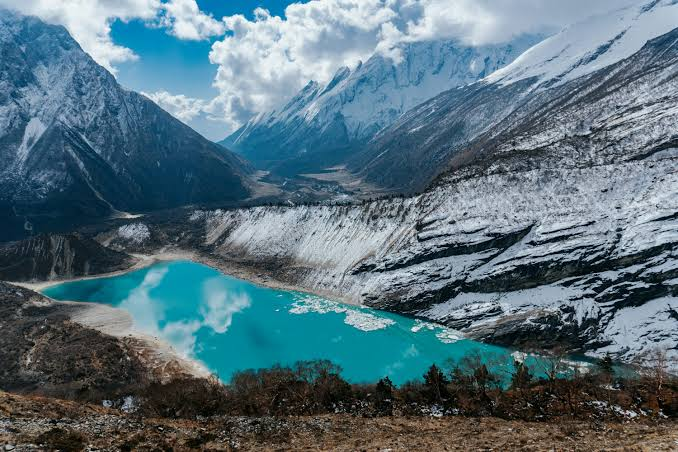
Trekking in Nepal is something many people dream about. The mountains are massive, the trails take you through places that don’t feel rushed, and the whole experience stays with you long after you are back. But for first-time travelers, one question always comes up — is it actually safe?
The short answer is yes. It generally is. But like anything in the mountains, it depends on how you approach it. A bit of awareness, together with the right preparation, matters a lot when it comes to your safety on the trekking trails of Nepal.

Altitude Risks
Altitude is likely the most important factor to consider. You don’t have to climb Everest to feel the challenges of altitude when trekking in Nepal. Your body starts reacting in ways you might not expect, even on regular trekking routes, once you cross the elevation of around 3,000 meters.
It usually starts small — a headache, feeling a bit off, maybe lower energy than usual. Some people initially ignore the discomfort because they are mostly unaware that the altitude is causing it. They often believe that the discomfort will resolve itself. Sometimes it does, but sometimes it doesn’t.
The important thing is that one should not rush during any trek in Nepal. Gaining height slowly, taking rest days, and staying hydrated make a real difference. Most serious issues happen when people try to move too quickly.
Trail Safety
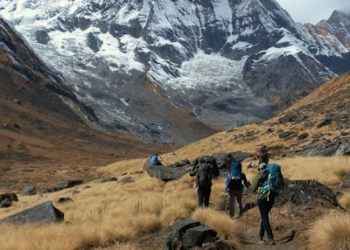
One thing that surprises many first-time trekkers is how established the trails actually are. In popular regions, routes are well-marked, and you are rarely completely alone for long stretches.
Teahouses are spaced out along most routes, so you are not carrying everything with you. You’ll usually have a place to stop, eat, and rest at the end of the day.
Still, it’s easy to take a wrong turn in some areas, especially if visibility drops or if you are in a less busy region. That’s why many people choose to go with a guide, even on routes where it’s not required.
Weather Risks
The weather in the mountains can change faster than you expect. As such, a clear morning can turn into clouds or wind by the afternoon, especially at higher elevations.
Such variability doesn’t mean this weather pattern leads to an unsafe trek. But it does mean you have to stay flexible during your trek in Nepal. Out there, things don’t always stick to the plan. You might take a day off or call it early because of the weather, and that’s just part of being in the mountains.
Many problems usually come from trying to stick too closely to a plan, even when the weather or your body is telling you otherwise.
Health and Preparation
Most safety issues actually come down to the basics. You should drink plenty of water when on the trails. This prevents dehydration. Likewise, eat properly so that you have the needed energy while walking. Most importantly, do not push yourself too hard. All these things together make a bigger difference than people think.
Travel insurance is something many people forget about, but it really matters in the mountains, especially if something unexpected happens. If something does go wrong, evacuation can be expensive without it.
You don’t need to be an athlete to trek in Nepal, but being reasonably fit makes the experience much easier and safer.
Remote Trekking Considerations
Not every trek in Nepal feels the same. Some places are busy, with plenty of support along the way. Others are quieter and take a bit more planning before you even start.
Take the Manaslu Circuit Trek as an example. You can’t just go out on your own there. It’s a restricted area, so you need to sort out permits through an agency and go with a licensed guide.
It also feels more remote once you are on the trail of the Manaslu Circuit. And this feeling is especially true when compared to regions like Everest or Annapurna. While it’s not inherently dangerous, it does require a bit more foresight from the trekkers treading on such a path.
That is because help isn’t always close by when you are trekking on remote trails. Furthermore, it can take time for things like communication or medical support to reach you here.
Emergency and Evacuation
Even with careful planning, the mountains do not always behave as expected. And that’s where Nepal’s rescue system comes in. In serious cases of altitude sickness and other issues, especially at higher altitudes, a helicopter is the common and primary mode of rescue.
It’s not something you spend much time thinking about while planning, but it’s there if needed. But since it is pretty expensive, trekkers are advised to get travel insurance covering high altitudes and medical expenses.
Interestingly, helicopters are also used in an entirely different way in these mountains. Some people take options like an Everest Base Camp helicopter tour — a journey over the Everest region in a chopper. As such, it lets the mountain enthusiasts reach high-altitude areas without doing the full trek. It’s a different experience, but it shows how parts of the Himalayas are now more accessible.
So, Is Trekking in Nepal Safe?
Yes, it’s generally safe. For most people, trekking in Nepal turns into a really rewarding experience. That said, it’s not something to take too lightly.
Trekkers must adhere to proper planning and take necessary precautions. As you are on the trek, slow down a bit and pay attention to how you are feeling. Likewise, stay flexible with your plans. A lot of the problems people run into usually come from rushing or not noticing what’s happening around them.
Radiant Treks notes that safe trekking usually depends on steady pacing, realistic planning, and taking small warning signs seriously before they become bigger problems.
If you approach it with a bit of awareness, the experience feels much smoother. Once you are out there walking through the mountains, safety no longer remains the main concern; it simply becomes a part of how you navigate the journey.