



















































Key Takeaways
- An ENT surgeon in Singapore relies on structured diagnostic steps rather than symptoms alone
- Sinusitis is confirmed using a combination of visual examination and imaging
- Nasal endoscopy, CT scans, and nasal swab tests are commonly used diagnostic tools
- Each test serves a different purpose: structure, infection source, and severity assessment
- Accurate diagnosis determines whether treatment is medical or surgical
Introduction
Diagnosing sinusitis in Singapore requires more than identifying symptoms such as congestion, facial pressure, or nasal discharge. These symptoms overlap with other conditions, including allergic rhinitis and upper respiratory infections. An ENT surgeon typically confirms the diagnosis through targeted tests that assess the nasal passages, sinus structures, and possible infection sources. The goal is to determine whether inflammation is present, how extensive it is, and what is causing it.
Three diagnostic tests are commonly used in clinical settings to confirm sinusitis and guide treatment decisions.


1. Nasal Endoscopy
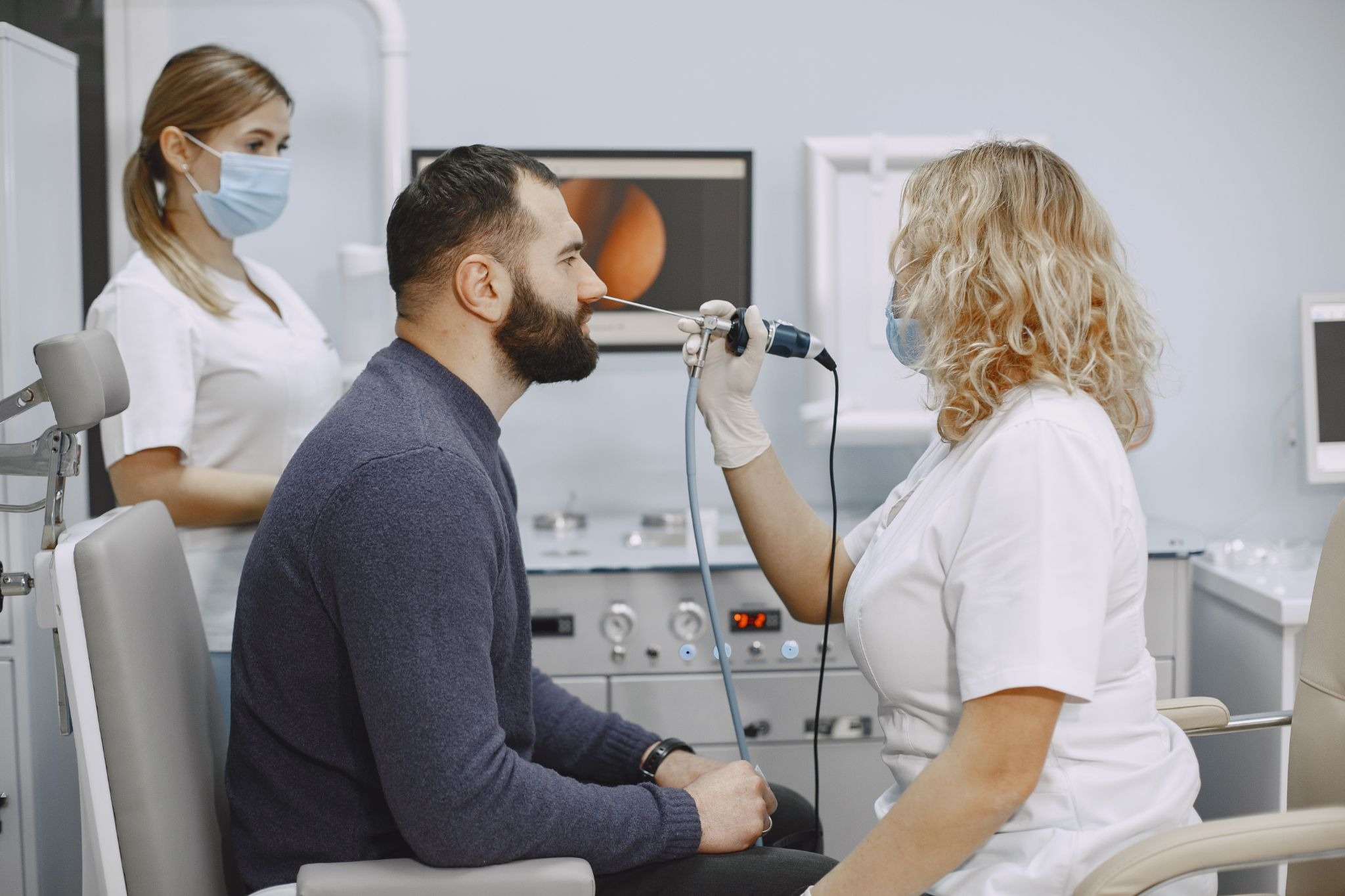
Nasal endoscopy is often the first-line diagnostic procedure performed by an ENT surgeon. It involves inserting a thin, flexible tube with a light and a camera into the nasal passages. This system allows direct visualisation of the nasal cavity and sinus openings. The procedure is typically done in a clinic setting using a local anaesthetic to reduce discomfort.
Through nasal endoscopy, the surgeon can identify signs of sinusitis, such as swollen mucosa, pus drainage, nasal polyps, or structural abnormalities like a deviated septum. It also helps distinguish sinusitis from other nasal conditions that present similarly. Unlike external examination, this method provides real-time internal views, making it more precise in identifying obstruction or inflammation. The findings from this test often determine whether further imaging is required or if initial medical treatment can begin immediately.
2. CT Scan
A CT scan is used when a more detailed evaluation is needed, particularly in cases of persistent or recurrent sinusitis. This imaging test provides cross-sectional views of the sinus cavities, allowing the ENT surgeon to assess the extent of inflammation, blockage, or anatomical variations.
CT scans are especially useful in identifying fluid levels, thickened sinus linings, and obstructions that may not be visible through endoscopy alone. They also play a role in pre-surgical planning by mapping the sinus anatomy accurately. This approach is important because sinus structures vary between individuals, and precise imaging reduces procedural risks if surgery is required.
CT imaging is not always the first step in clinical practice, but it is commonly recommended when symptoms do not respond to initial treatment or when complications are suspected. It provides objective data that supports a confirmed diagnosis and helps avoid unnecessary or ineffective treatments.
3. Nasal Swab and Culture
While imaging and visual assessment confirm the presence of inflammation, a nasal swab test helps determine the underlying cause of sinusitis. An ENT surgeon in Singapore may collect a sample of mucus from the nasal passages to identify whether the infection is bacterial, fungal, or viral.
This test is particularly relevant in cases where standard treatments fail or when the infection is recurrent. Laboratory analysis of the sample can guide the selection of appropriate medication, such as targeted antibiotics instead of broad-spectrum ones. This approach reduces the risk of resistance and improves treatment outcomes.
Cultures, in some cases, also reveal uncommon pathogens that require specific management approaches. Remember, without this step, treatment may rely on assumptions rather than confirmed data, which can delay recovery or lead to repeated episodes.
Conclusion
Confirming sinusitis involves a combination of diagnostic tools rather than a single test. An ENT surgeon in Singapore typically uses nasal endoscopy for direct visual assessment, CT scans for structural imaging, and nasal swab tests to identify the cause of infection. Each method provides distinct information that contributes to a complete diagnosis. This structured approach ensures that treatment decisions are based on clinical evidence, reducing the likelihood of misdiagnosis and improving management outcomes.
Contact Dr Leslie Koh and get clarity on persistent sinus symptoms.