




















































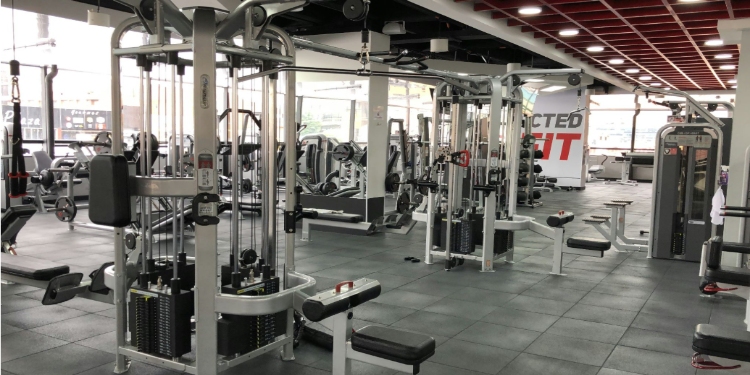
Building a strength training setup around pin-loaded gym machines is one of the most practical decisions a fitness-focused UK household or small commercial facility can make. With the range of professional equipment now available through specialists like Factory Weights, it is possible to create a fully functional training environment that covers every major muscle group without requiring the extensive space or technical knowledge that a comparable free weight setup would demand.
Planning Your Pin-Loaded Gym Layout
Before purchasing any equipment, a clear layout plan is essential to ensure that the machines you select will fit comfortably within the available space and allow safe operation. Each pin-loaded machine requires not only the footprint of the unit itself but also a working zone in front of or around it where the user can stand, sit, or lie to perform the exercise. As a general guide, allow at least one metre of clearance on all sides of a machine that requires the user to stand at the front, and at least 1.5 metres behind any machine where the user may step back to load or unload position. Drawing the room to scale on paper and positioning cut-outs of each machine is a time-efficient way to test different arrangements before committing to a purchase.


Starting With the Foundation Machines
If budget and space are limited, beginning with the machines that deliver the broadest training coverage per unit is the most efficient approach. A lat pulldown and low row combination machine covers both the vertical and horizontal pulling patterns and is one of the highest-utility pieces of equipment available in pin-loaded format. A functional trainer with dual adjustable cable columns offers exceptional versatility and can replicate dozens of movements using different attachments and cable heights. For lower body training, a leg press provides a safe and effective way to load the quadriceps, hamstrings, and glutes with heavy resistance without the technical demands of barbell squats. These three machines together provide a training framework that covers the full body and can accommodate a wide range of programme types.
Progressing Your Setup Over Time
Most gym owners build their setups incrementally rather than purchasing everything at once, and pin-loaded machines are well suited to this approach because each unit is self-contained and independent of the others. Once the foundation machines are in place and being used consistently, the next additions should address the gaps in the training programme rather than duplicating movements already covered. Isolation machines for the biceps, triceps, and shoulders are common second-phase additions, as are dedicated hamstring curl and leg extension machines that allow more targeted lower body work than a leg press alone provides. A cable crossover or pec deck can expand the chest training options beyond what a functional trainer offers, and a seated calf raise machine addresses a muscle group that is often neglected in machine-based programmes.
Flooring, Power, and Safety Requirements for a Machine Gym
The practical requirements for a pin-loaded machine gym extend beyond the equipment itself. Appropriate flooring is essential both to protect the floor surface beneath the machines and to provide a safe, stable surface for users. Rubber gym flooring in tiles or rolls is the standard choice, with a minimum thickness of 15mm recommended under heavy machines and higher thickness desirable in areas where weights might be dropped or where users are performing standing cable exercises. Power requirements are minimal for pin-loaded machines as they do not require electricity to operate, unlike some treadmills and cardio equipment. Adequate ventilation and lighting are important comfort factors, particularly in garage or basement installations where natural light and airflow may be limited.
Maintaining Your Pin-Loaded Equipment for Long-Term Performance
Regular maintenance keeps pin-loaded machines operating smoothly and extends their service life significantly. The cables should be inspected monthly for any signs of fraying, kinking, or surface damage, and replaced immediately if any defects are found. Pulleys should be checked for smooth rotation and lubricated according to the manufacturer’s guidance, typically with a light machine oil or silicone spray applied sparingly to the pulley axles. Weight stack guide rods should be wiped clean and lightly lubricated to prevent the plates from sticking or causing uneven resistance during the lift. Upholstered pads and seats should be cleaned regularly with a mild antibacterial spray to maintain hygiene, and any tears or compressions in the foam should be addressed promptly to prevent further deterioration.
Getting the Most From Your Pin-Loaded Training Sessions
The effectiveness of any gym setup depends ultimately on the quality and consistency of the training that takes place within it. Pin-loaded machines are well suited to structured progressive overload programmes in which the weight is increased systematically over weeks and months as strength develops, and the ease of adjustment between sets makes techniques such as drop sets, supersets, and pyramid loading particularly practical in a machine environment. Tracking each session in a training log, noting the machine, the weight selected, the number of sets, and the repetitions completed, provides the data needed to identify progress and to make informed decisions about when and how to increase the load. Many experienced gym users find that combining pin-loaded machine work with bodyweight exercises and mobility work produces the most balanced and sustainable long-term training outcomes.

David Prior
David Prior is the editor of Today News, responsible for the overall editorial strategy. He is an NCTJ-qualified journalist with over 20 years’ experience, and is also editor of the award-winning hyperlocal news title Altrincham Today. His LinkedIn profile is here.