



















































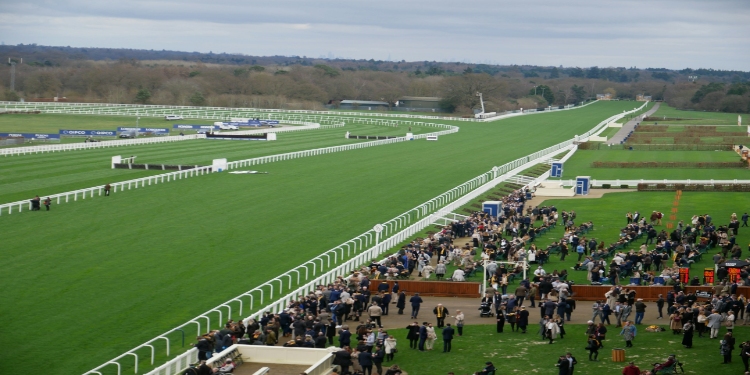
Horse racing venues are typically admired for their incredible atmospheres that are second to none when it comes to sport in the UK, rarely appreciated for the small details. Every curve and track layout is built with purpose, allowing for a balance of performance, safety, and the public viewing experience. These facilities are not just a track that is placed on an open stretch of land, but are a carefully engineered environment that is built for a purpose. Understanding this design reveals how much thought goes into creating a setting where both sport and spectacle can exist in harmony.
The Purpose Behind Racecourse Design
A mixture of practicality and tradition guides racecourse design. Designers have to consider how horses move at full speed, how jockeys respond when the ground changes beneath them, and how well the race can be followed from the stands. Safety always comes first, but the overall shape of the race and how it unfolds is just as important, so every choice has an effect on the way a race is run. Even slight adjustments to a course can change how a race plays out, showing how much influence design has on the sport, even if it is not always noticed.


The Impact of Track Shapes
The shape of the track plays a big part in how a race could develop, with some courses being flat and oval, while others may feature more natural curves or elongated layouts. These are variations that could influence how a race is run, whether it be to set an early pace or to reserve stamina for later on. On tighter bends, horses have to keep adjusting their balance and rhythm, which can make the race feel more technical. Longer straights, on the other hand, tend to favour those who can maintain speed over a distance without interruption. As a result, every racecourse has its own character, and each one creates a slightly different type of contest.
Natural Landscape vs Engineered Design
Many of the British racecourses are built into an existing landscape, rather than replacing it, sometimes featuring hills and uneven ground, which often remain as part of the final design, giving each course character and a unique layout. Designers sometimes work around these features rather than try to change them, as it allows for the natural elevation to shape the racing challenge. This approach creates variation in speed and balance, meaning horses must adapt to changing conditions throughout the course.
The Influence of Technology
Technology is becoming more important in how racecourses are planned and managed. High-speed cameras and timing systems are able to monitor the track and help the officials to understand how it is performing at any point during the year. This data can be used to then influence the maintenance decisions over a short-term and even long-term plan.
Some newer developments also include improved broadcasting systems, allowing viewers to follow races more closely and from multiple angles, enhancing both analysis and enjoyment of the sport. Similar digital tools are also used more broadly across major racing events, where detailed statistics influence conversations around form, performance trends and Royal Ascot odds.
Why Surface Matters
The racing surface is just as important as the layout. Turf remains traditional in Britain and is heavily affected by the weather, which changes how fast or slow a race runs. Other countries use dirt or synthetic surfaces designed for consistency and drainage. Each type influences how horses grip the ground and maintain speed. Because of this, trainers often prepare differently depending on where their horses are competing.
Spectator Experience
Racecourses are built with spectators in mind as much as the horses and riders. Grandstands are carefully placed so that important parts of the track, such as the finishing straight and major bends, can be seen clearly. The movement of crowds is also planned so people can get around the venue without congestion or difficulty, even on busy days. Overall, the aim is to make sure the race can be followed easily from different spots, keeping the sense of excitement without anything feeling out of view or disconnected.
Safety Innovations
Modern racecourse design places strong emphasis on safety for both horses and riders. Railings are engineered to absorb any impact, while the stalls are positioned to reduce the risk at the beginning of the races. Medical and veterinary access points are also built into the layout in order to allow quick access if needed at any point of the race. These are just a few improvements that reflect a growing focus on welfare considerations, with design playing a direct role in reducing accidents and improving overall conditions.
The Future of Racecourse Architecture
Racecourse design continues to evolve into the modern era as expectations continue to develop. Sustainability has become a huge focus point, installing the likes of better drainage systems and environmentally conscious practices when it comes to the maintenance of the course. Technology is also being utilised in the latest developments, whether it is improved camera positioning or even better data-driven track management. While tradition remains central, future designs are likely to blend heritage with innovation, ensuring that racecourses remain both functional and relevant in modern sport.

David Prior
David Prior is the editor of Today News, responsible for the overall editorial strategy. He is an NCTJ-qualified journalist with over 20 years’ experience, and is also editor of the award-winning hyperlocal news title Altrincham Today. His LinkedIn profile is here.