



















































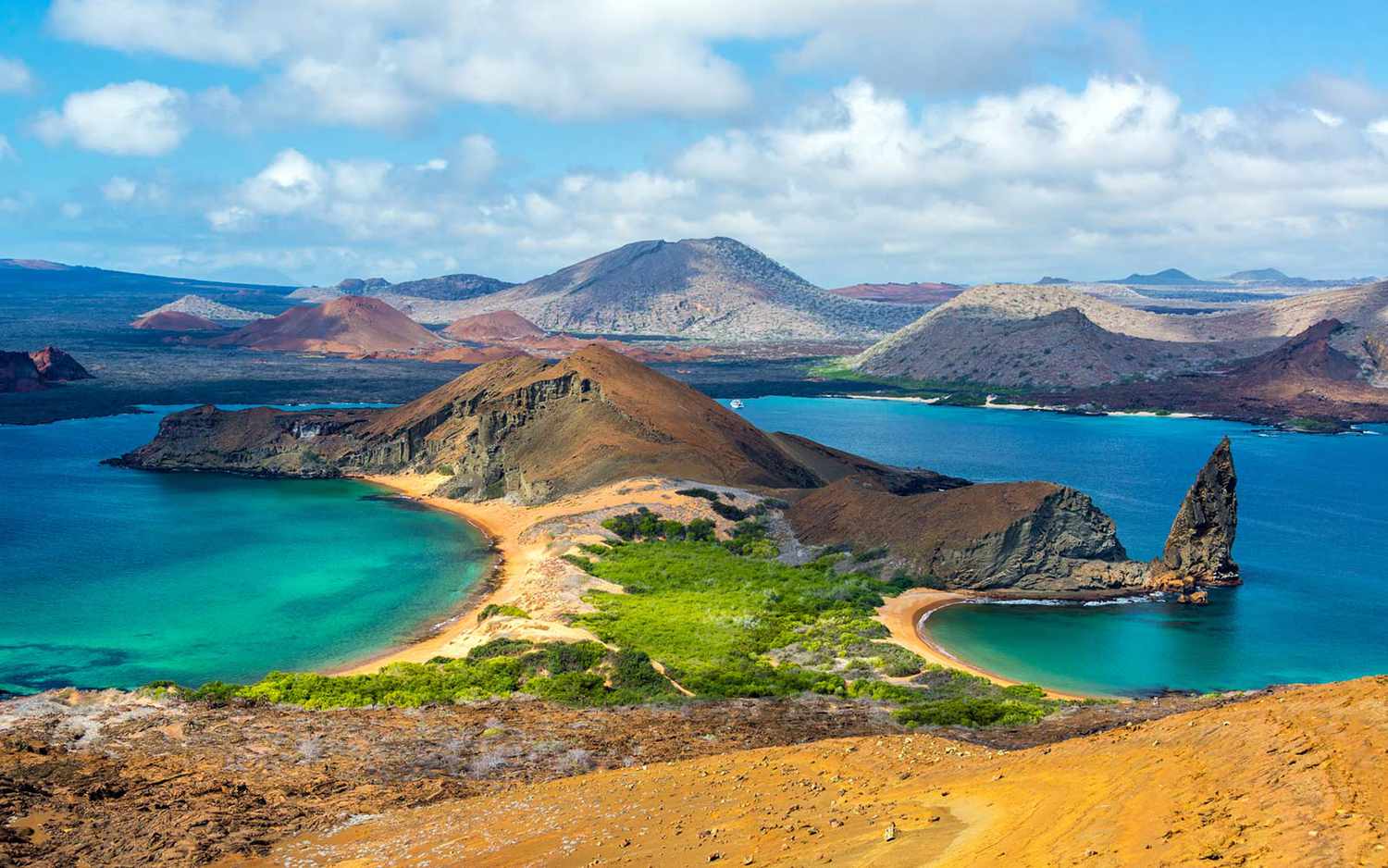
Planning a journey to one of the world’s most extraordinary natural wonders requires careful preparation and understanding. The Galapagos archipelago offers unparalleled wildlife encounters and pristine landscapes that have captivated travelers for generations. Before you embark on this adventure of a lifetime, there are several essential factors that will help you make the most of your experience and ensure everything goes smoothly from start to finish.
The Best Time to Visit Depends on What You Want to See
The Galapagos Islands offer incredible experiences year-round, but different seasons bring distinct advantages. From December to May, you’ll encounter warmer weather, calmer seas, and occasional rain showers that bring lush green landscapes to life. This period is ideal for snorkeling in warmer waters and witnessing sea turtle nesting.


June through November brings cooler, drier conditions with more active seas. While the water temperature drops, this is when nutrient-rich currents attract larger marine life, including whale sharks and manta rays. The famous blue-footed boobies perform their elaborate mating dances during this season, making it a photographer’s dream.
Consider your priorities when booking your trip. Wildlife enthusiasts might time their visit around specific breeding seasons, while those prone to seasickness might prefer the calmer summer months.
You’ll Need More Than Just a Passport
Entry requirements for the Galapagos extend beyond standard international travel documentation. Upon arrival in Ecuador, you’ll need to obtain a Transit Control Card, which costs around twenty dollars and tracks your movement within the islands. This card is typically purchased at the airport before your flight to the archipelago.
Once you land in the Galapagos, you’ll pay a National Park entrance fee of one hundred dollars for most foreign visitors. This fee directly supports conservation efforts and park maintenance. Keep your receipt safe, as you may need to present it during your stay.
Additionally, all luggage undergoes agricultural inspection to prevent the introduction of invasive species. Avoid packing fresh fruits, vegetables, or plant materials to speed through this process without complications.
Island Hopping Requires Strategic Planning
The Galapagos archipelago consists of over a dozen major islands, each offering unique ecosystems and wildlife. Most visitors choose between land-based island hopping or cruise-based exploration, and each approach has distinct advantages.
Land-based trips offer flexibility, lower costs, and the chance to interact with local communities. You’ll stay in hotels on populated islands like Santa Cruz, San Cristobal, or Isabela, taking day trips to nearby sites. This option works well for travelers who prefer solid ground beneath their feet at night.
Cruises provide access to more remote islands and maximize wildlife viewing opportunities. You’ll wake up at new locations daily, with naturalist guides leading all excursions. Smaller vessels offer intimate experiences, while larger ships provide more amenities and stability.
The Wildlife Encounters Follow Strict Guidelines
What makes your Galapagos islands trip truly special is the remarkable fearlessness of the wildlife, a result of strict conservation policies that every visitor must follow. You must maintain a distance of at least six feet from all animals, never touch wildlife, and always stay on marked trails.
Photography enthusiasts should bring telephoto lenses rather than expecting close-up shots through proximity. Flash photography is prohibited in most areas to avoid disturbing animals. These rules might seem restrictive, but they’re essential for preserving the unique ecosystem that makes the islands so extraordinary.
Park-certified naturalist guides accompany all visitor groups, ensuring compliance with regulations while providing fascinating insights into the islands’ ecology and history. Their expertise transforms ordinary sightings into educational experiences that deepen your appreciation for this living laboratory of evolution.
Pack Smart for Variable Conditions
The Galapagos climate varies significantly between microclimates and activities, requiring versatile packing strategies. Lightweight, quick-drying clothing works best for the humid tropical environment. Bring a wetsuit or rash guard for snorkeling, as water temperatures can be surprisingly cool even during warmer months.
Sun protection is absolutely critical on the islands. The equatorial sun is intense, and you’ll spend considerable time outdoors on boats and volcanic terrain. Pack reef-safe sunscreen to protect both your skin and the delicate marine ecosystem.
Comfortable, broken-in water shoes with good traction are essential for wet landings on rocky shores. A waterproof bag protects cameras and electronics during boat transfers, while a refillable water bottle helps reduce plastic waste in this pristine environment.
Conclusion
Preparing thoroughly for your Galapagos adventure ensures you’ll fully appreciate this remarkable destination while respecting its fragile ecosystems. From understanding seasonal variations to following conservation guidelines, each aspect of planning contributes to a more meaningful and responsible travel experience. The memories you create among these enchanted islands will last a lifetime, especially when you’ve taken the time to prepare properly and travel mindfully.