


















































Plumbing problems have a habit of arriving at the worst possible moment – a leak on a Sunday night, no hot water before work, a blocked loo with guests due. The good news is that many everyday issues are simpler to deal with than you’d think, and knowing which ones you can handle yourself – and which need a professional straight away – can save you money, stress and a good deal of mess.
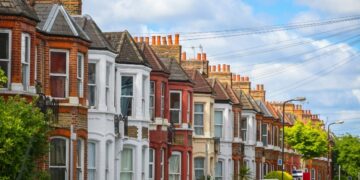
Orpington’s mix of older and established homes means ageing pipework and fittings are common, so a few of these problems crop up more than most. Here are seven every homeowner should recognise, with what you can safely try and when it’s time to pick up the phone.


1. A Dripping or Leaking Tap
A dripping tap is easy to ignore – and surprisingly expensive to. According to Water UK, a dripping tap wastes at least 5,500 litres a year, enough to fill a paddling pool every week all summer, and it shows up on your bill if you’re on a meter. The usual culprit is a worn washer or cartridge inside the tap.
What you can try: if you’re confident, turn off the supply, and replace the washer – a cheap, common fix. When to call a plumber: if the drip continues after a new washer, if the tap is seized, or if you’d simply rather not take it apart, it’s a quick job for a professional.
2. A Blocked Toilet
A blocked toilet is one of the most common – and most urgent-feeling – household problems. Most blockages are caused by too much paper or by items that should never be flushed, such as wipes and sanitary products.
What you can try: a good-quality plunger clears the majority of blockages with a bit of patience. If the water level is high, wait for it to drop before you start. When to call a plumber: if plunging doesn’t shift it, if the toilet overflows, or if more than one drain is backing up at once – the last of these can point to a problem further down the system that needs professional attention.
3. Low Water Pressure
Weak flow from your taps or shower is frustrating and can have several causes – from a partially closed valve to limescale build-up or an issue on the wider network.
What you can try: first work out whether it’s affecting one tap or the whole house, and check whether neighbours have the same issue – that tells you if the cause is inside your home or on the mains. Make sure your internal stop valve is fully open. When to call a plumber: if pressure is low throughout the house with no obvious cause, or drops suddenly, a professional can trace it properly.
4. A Slow or Blocked Sink Drain
Kitchen and bathroom sinks slow down over time as fats, food, hair and soap build up in the trap – the U-bend beneath the plughole.
What you can try: clearing the trap by hand catches most blockages; place a bucket underneath, unscrew it, empty it and refit. A drain snake can reach further clogs. Go easy on harsh chemical unblockers, which can damage older pipework. When to call a plumber: if the blockage keeps returning or sits deeper in the system than the trap, it’s worth having it cleared and checked.
5. A Running Toilet That Won’t Stop
A toilet that keeps running long after flushing is more than an annoyance. Waterwise notes that a leaking toilet can waste up to 400 litres of water a day – silently, and often unnoticed until the bill arrives. It’s usually a worn flapper or a faulty fill valve in the cistern.
What you can try: lift the cistern lid and check whether the float is stuck or the flapper isn’t sealing. Adjusting or replacing these parts is a manageable DIY job. When to call a plumber: if the running continues after you’ve replaced the obvious parts, or the mechanism is corroded, a professional can sort it quickly.
6. No Hot Water or a Struggling Boiler
Few things focus the mind like a cold shower. A loss of hot water can be something minor – or a sign your boiler needs attention.
What you can try: check the basics first – that the boiler has power, the pressure gauge sits in the normal range, the thermostat is set correctly, and, in cold weather, that the condensate pipe hasn’t frozen. When to call a plumber: anything beyond these simple checks belongs with a professional. Gas and boiler work must only ever be carried out by a Gas Safe registered engineer – this isn’t a DIY area, and attempting it yourself is both illegal and dangerous.
7. A Burst or Leaking Pipe
This is the one that turns into a genuine emergency fastest. A burst pipe can flood a room in minutes and cause serious damage to floors, ceilings and belongings. The single most useful thing you can do is know where your stopcock is – usually under the kitchen sink – and check that it turns, before you ever need it. What you can do: shut off the water at the stopcock immediately, turn off the heating, and open taps to drain the system. Then get professional help fast – for a burst pipe, calling emergency plumbers orpington is the right move rather than trying to patch a serious leak yourself. Acting in the first sixty seconds is what limits the damage.
Knowing When to Call a Professional in Orpington
The thread running through all seven is simple: minor issues like drips, slow drains and running toilets are often safe to tackle yourself, but anything involving gas, the boiler, a persistent problem or a burst pipe means calling a professional – promptly. Delaying rarely makes a plumbing problem cheaper.
It helps to have a trusted local name saved before you need one, so a small problem doesn’t become a big one while you’re searching around. For everyday repairs and installations beyond a quick DIY fix, a reliable plumber orpington homeowners can call on takes the worry out of getting it done properly. Know your limits, keep the basics to hand, and you’ll handle whatever your plumbing throws at you.