



















































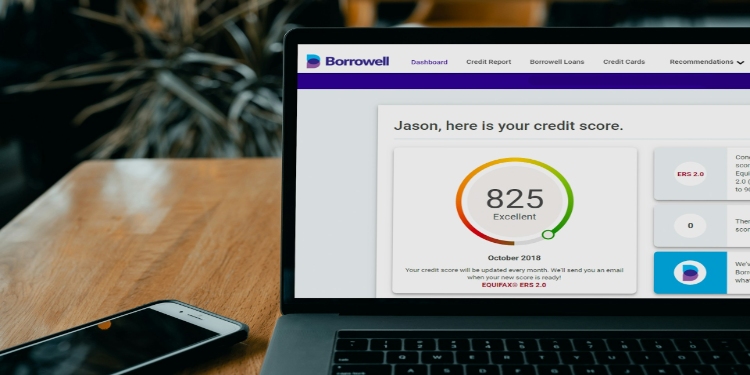
A credit score displayed in an app can feel like a verdict on your finances. Yet the number is only one interpretation of information held in a credit report. If an address, account or payment record is wrong, looking at the score alone may not tell you what needs fixing. Checking the report itself gives you a chance to understand the information on file before you need it for a financial decision.
What is a credit report?
A credit report is a record of information about your identity and how you have managed certain financial accounts. In the UK, credit reference agencies, or CRAs, collect this information from lenders, other organisations and public records. Lenders can consult it when assessing an application, but the agency does not make the lending decision.


The report is different from a credit score. A score is a number calculated from available information using a particular scoring system. Different agencies can produce different scores, and a lender may use its own criteria rather than the score you see in an app. The useful question is therefore not simply whether your number looks high or low, but whether the underlying details are accurate.
What information can a credit report contain?
Your report may show your name, current and previous addresses, and information from the electoral register. It can also include credit accounts, some service or utility accounts, outstanding balances and records of whether payments were made on time. Relevant public-record information, such as county court judgments or insolvency details, may appear too.
You may also see a record of searches made against your file and details of financial connections to another person, such as a joint account. These entries deserve a closer look: an unfamiliar address could be a simple mismatch, while an account you do not recognise may require further investigation. Not every report contains exactly the same information. Organisations do not necessarily supply data to every CRA, so an account visible with one agency might be absent from another.
Why should you check your credit report?
Checking gives you an opportunity to spot mistakes while there is time to deal with them. A payment wrongly marked as missed, an account recorded at the wrong address or an unfamiliar application could all be worth querying. If you once shared finances with someone, you can also check whether the financial connection shown on your file still reflects your circumstances.
This is especially useful before a planned credit application, but you do not need to be considering borrowing to review your information. Looking at your own report is not the same as applying for credit. Accessing it yourself does not create a hard application search visible to lenders. Regular checks can also help you notice an account you did not open, although an unfamiliar entry is not, by itself, proof of fraud.
How can you check your credit report for free in the UK?
You can request a free statutory credit report from a CRA without signing up for a paid subscription. Equifax, Experian and TransUnion are examples of UK agencies. The Information Commissioner’s Office guidance on credit information explains your right to request the information an agency holds about your financial standing. Agencies generally offer an online request route, and you may need to provide details so they can confirm your identity.
It can be worth checking more than one agency, particularly if you are trying to trace a specific entry. Read the account details and dates rather than concentrating on any score shown alongside them. Some services offer paid monitoring or other extras, but paying for these is not necessary to obtain a statutory report.
If you might borrow in future, reviewing your file first is a sensible way to check that a potential lender will not be looking at an obvious error. That applies whether the lender is a bank or a regulated UK short-term lender such as Cashfloat. A correct report cannot establish whether borrowing is affordable or guarantee that an application will be accepted.
What should you do if something is wrong?
Start by identifying the exact entry you dispute. Note the agency displaying it, the organisation named on the record, the relevant dates and what you believe the correct information should be. Keep a copy of the report or a record of the entry as it appeared when you found it. Then contact the CRA or the organisation that supplied the information, preferably in writing so you have a clear record of your request.
Be specific and include relevant evidence where you have it. For example, a statement showing that a payment was made can help explain a disputed missed-payment marker. If the issue concerns an account you do not recognise, say so plainly and ask the organisation to investigate. Keep copies of messages and documents, along with the dates on which you contacted each party. Avoid sending more personal information than is needed to resolve the issue.
The CRA may need to check the entry with the organisation that supplied it rather than changing it on your account of events alone. The ICO says that, when you formally dispute information with a CRA, it should tell you within 28 days whether the entry has been amended, removed or left unchanged. That response is not a promise that every disputed entry will be deleted: information that is accurate cannot normally be removed simply because it is unwelcome.
If the issue remains unresolved, ask for a clear explanation of why the entry is considered correct and what evidence has been reviewed. You may be able to add a notice of correction setting out your position. Where you believe inaccurate personal information is still being held and your attempts to resolve it have failed, you can consider raising the matter with the ICO. Keep the relevant correspondence so you can show what steps you have already taken.