















































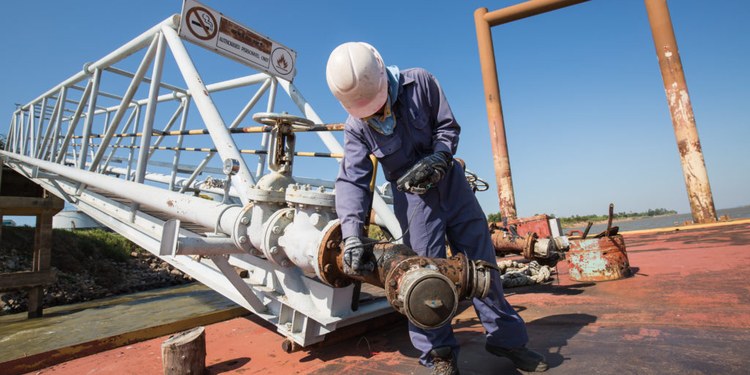
Industrial equipment must perform reliably under demanding conditions. Manufacturing machinery, processing equipment, storage systems, and structural components may see continuous use, exposure to contaminants, and gradual surface deterioration. While mechanical servicing is essential, the condition of exposed surfaces also affects maintenance needs and long-term asset performance. Professional surface preparation, supported by suppliers and specialists such as Surface Prep, helps maintenance teams choose suitable processes for cleaning, refurbishment, and protective treatment.
Understanding Surface Deterioration in Industrial Equipment
Industrial environments expose equipment to various conditions that can affect its surfaces. Moisture, airborne particles, chemicals, process residues and repeated handling may contribute to contamination, corrosion or coating damage.


These changes do not always cause immediate operational problems. However, deterioration can become harder to manage if it goes unnoticed or untreated.
Maintenance programmes should therefore consider both mechanical performance and surface condition. Identifying early signs of damage can help businesses determine when cleaning, preparation, repair or protective treatment is appropriate.
Why Surface Condition Matters During Maintenance
Equipment maintenance involves more than repairing failed components. It also includes activities intended to preserve condition and reduce the likelihood of avoidable deterioration.
Surface preparation supports this objective by removing materials that may conceal damage or interfere with refurbishment. Thoroughly cleaning a component makes it easier to assess its condition and identify areas that need attention.
This is particularly valuable when machinery is being dismantled, inspected or prepared for recoating. A properly prepared surface provides a more reliable starting point for subsequent maintenance work.
Preparing Equipment for Inspection
Accurate inspection can be difficult when equipment is covered in grease, old coatings, rust or accumulated industrial residues.
These materials may obscure cracks, corrosion or other visible defects. Removing suitable surface contaminants can help maintenance professionals examine the underlying material more effectively.
However, select surface preparation carefully. Aggressive cleaning methods can alter component dimensions or damage sensitive areas, so inspection requirements and manufacturer guidance should influence the process.
Supporting Equipment Refurbishment
Refurbishment can provide an alternative to replacing industrial equipment that remains structurally and mechanically suitable for continued use.
Before renewing protective coatings or finishing treatments, the existing surface often requires preparation. Remove old paint, corrosion products, and contaminants to establish a suitable substrate.
The quality of this preparation can influence the durability of the finished result. Appropriate techniques help create the conditions needed for coating adhesion and consistent surface treatment.
Reducing Unplanned Maintenance
Unexpected maintenance can disrupt production schedules and strain operational teams. Although surface preparation cannot prevent mechanical failures, it can help address surface-related deterioration before it becomes more extensive.
For example, damaged coatings may expose metal surfaces to corrosive conditions. Identifying and treating these areas during planned maintenance can help limit further damage.
Integrating surface preparation into scheduled maintenance also lets you coordinate work with other inspections and repairs, potentially reducing the need for separate interventions.
The Importance of Choosing Appropriate Cleaning Methods
Industrial equipment includes a wide variety of materials, finishes and components. A preparation method suitable for heavy structural steel may not suit precision machinery or delicate assemblies.
Abrasive blasting, mechanical cleaning and other techniques have different applications and limitations. Selecting the right method requires considering the material, contamination, required finish, and potential effects on component integrity.
Maintenance teams should also consider whether components need to be removed, protected or isolated before preparation begins.
Maintaining Protective Coating Performance
Protective coatings help industrial equipment withstand environmental exposure and operational conditions.
Over time, coatings may wear, become damaged, or become less effective. Recoating without addressing the underlying surface condition can lead to poor adhesion and premature failure.
Surface preparation helps establish the cleanliness and profile required for the selected coating system. This can improve maintenance consistency and support the intended performance of the protective treatment.
Supporting Maintenance of Older Equipment
Older industrial equipment may remain operational for many years, especially when replacement would require significant investment or cause operational disruption.
However, equipment that has undergone repeated repairs or coating applications may have uneven surfaces, accumulated residues or multiple layers of deteriorating paint.
Careful preparation helps maintenance teams assess the underlying material and choose appropriate treatments. This supports more informed refurbishment decisions.
Improving Maintenance Planning
Effective maintenance relies on understanding asset condition and scheduling work appropriately.
Include surface deterioration in routine inspection records so maintenance teams can identify patterns and prioritise equipment that needs attention.
When businesses plan preparation and recoating, they may coordinate the work with existing shutdowns or quieter operating periods. This can make maintenance activities more predictable.
Considering Cost and Long-Term Value
Maintenance decisions should consider both the cost of delaying necessary work and the immediate expense of carrying it out.
Minor surface deterioration may be relatively straightforward to address, while extensive corrosion or coating failure can require more substantial repairs.
Professional surface preparation supports a preventative approach by helping businesses restore surfaces before further treatment. The economic benefit depends on the asset, its condition, and the wider maintenance strategy.
Safety Considerations During Surface Preparation
Industrial preparation processes may involve dust, noise, airborne contaminants, moving equipment or other workplace hazards.
Appropriate risk assessments, containment measures, ventilation, personal protective equipment and trained personnel are therefore important. Existing coatings may also require assessment before removal, particularly where hazardous substances could be present.
The preparation process should protect both workers and the surrounding operating environment.
Frequently Asked Questions (FAQs) About Equipment Surface Preparation
Why is surface preparation included in equipment maintenance?
It removes contaminants, exposes underlying surfaces for inspection, and prepares equipment for repairs or protective treatments. This supports a more complete approach to maintenance.
Can surface preparation reduce equipment downtime?
When scheduled appropriately, it can help prevent surface-related deterioration that would otherwise require more extensive repairs. However, it cannot eliminate downtime caused by unrelated mechanical or operational failures.
Is surface preparation necessary before repainting machinery?
The required preparation depends on the coating system and surface condition. Cleaning, removing loose material, and achieving the specified surface profile are often important for reliable adhesion.
What equipment can benefit from surface preparation?
Industrial machinery, structural components, storage equipment and many other assets may require preparation during maintenance or refurbishment, depending on their materials and operating conditions.
How often should industrial surfaces be prepared?
There is no universal interval. Requirements depend on exposure conditions, coating performance, inspection findings, and equipment-specific maintenance recommendations.
Conclusion
Industrial surface preparation plays a valuable role in equipment maintenance by supporting cleaning, inspection, refurbishment and protective coating work. It helps maintenance teams address contamination and deterioration while creating suitable conditions for subsequent treatments.
When integrated into a structured maintenance programme, appropriate preparation can improve asset condition, make maintenance activities more predictable, and strengthen long-term equipment management. The key is to select methods that suit the material, application, and operational requirements, rather than applying the same process to every component.