



















































Few experiences are as universally dreaded as the sharp, debilitating pain of kidney stones. This common condition, known medically as urolithiasis, affects millions each year, disrupting lives with its sudden onset and challenging recovery. The thought of dealing with such a painful ailment can be overwhelming, leaving many unsure where to turn for reliable information and effective solutions.
What Exactly Is Urolithiasis?
Urolithiasis refers to the formation of solid masses, or stones, within any part of the urinary tract. This includes the kidneys, where they often originate, the ureters which are the tubes connecting the kidneys to the bladder, the bladder itself, and the urethra, the final passage out of the body. These stones can vary in size, from microscopic crystals to objects several centimeters across. Their presence can lead to a range of uncomfortable and sometimes serious complications.

The Journey of a Kidney Stone: From Formation to Pain
Understanding how stones form and why they cause such distress is key to managing them. The process typically begins when urine becomes too concentrated with certain minerals, such as calcium, oxalate, and uric acid. When these substances crystallize and stick together, they can grow into stones. The pain associated with urolithiasis, often called renal colic, occurs when a stone moves from the kidney into the ureter, causing a blockage.
Factors Contributing to Stone Formation
Several factors can increase an individual’s risk of developing kidney stones:
- Dietary Habits: A diet high in salt, animal protein, and oxalate-rich foods (like spinach and nuts) can promote stone formation. Conversely, insufficient fluid intake is a major culprit.
- Medical Conditions: Certain health issues, including inflammatory bowel disease, hyperparathyroidism, and urinary tract infections, can predispose individuals to stones.
- Genetics and Family History: A personal or family history of kidney stones significantly raises the likelihood of developing them.
- Dehydration: Not drinking enough water is one of the most preventable causes, as it allows minerals to concentrate in the urine.
Recognizing the Signs: Symptoms to Watch For
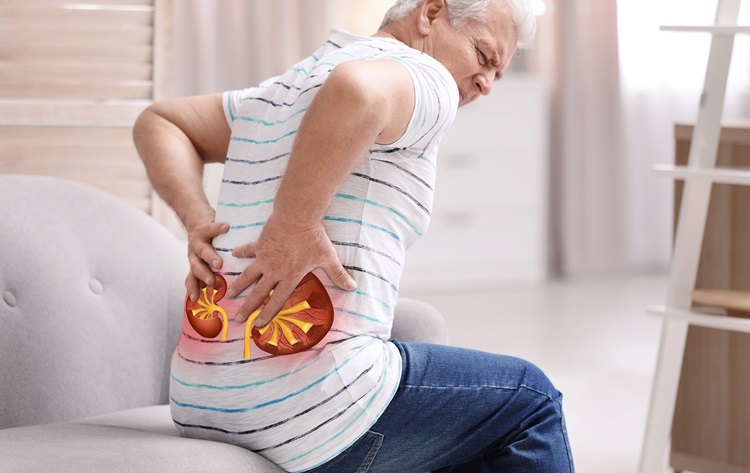
The hallmark symptom of urolithiasis is intense pain, often described as sharp or cramping. This pain usually starts in the back or side, below the ribs, and can radiate to the lower abdomen and groin. Other common signs include:
- Hematuria (blood in the urine), which may make the urine appear pink, red, or brown.
- A frequent and persistent urge to urinate.
- Pain or a burning sensation during urination.
- Nausea and vomiting, often triggered by the severe pain.
- Fever and chills, which can indicate an infection accompanying the stone.
Investigating and Managing Urolithiasis
Diagnosing kidney stones typically involves a combination of medical history, physical examination, urine tests, and imaging studies such as X-rays, CT scans, or ultrasounds. Treatment strategies depend heavily on the stone’s size, location, and the severity of symptoms. Smaller stones may pass on their own with increased fluid intake and pain management. For larger or more problematic stones, medical intervention is often necessary.
Common Mistakes and Misconceptions
Navigating urolithiasis can be confusing. Here are a few common pitfalls:
- Ignoring persistent discomfort: Believing that mild flank pain will simply resolve on its own without seeking medical advice.
- Over-reliance on home remedies: Substituting proven medical treatments with unverified folk remedies, which can delay effective care.
- Not drinking enough water: Failing to consistently increase fluid intake, even after passing a stone, leading to recurrence.
- Assuming all stones are the same: Not understanding that different types of stones (e.g., calcium oxalate, uric acid) may require different preventative strategies.
Practical Steps for Stone Prevention and Management
Taking proactive steps can significantly reduce the risk and impact of kidney stones:
- Stay Hydrated: Aim to drink enough water throughout the day to keep your urine light yellow or clear.
- Dietary Adjustments: Moderate your intake of salt and animal protein. If advised by your doctor, adjust oxalate or calcium intake.
- Regular Check-ups: If you have a history of stones, follow up with your healthcare provider for monitoring and personalized advice.
Making Informed Decisions About Treatment
When faced with urolithiasis, understanding your treatment options is crucial. This involves discussing the risks and benefits of different approaches with your urologist. Factors like stone size, location, your overall health, and the presence of infection will guide the decision-making process. For those seeking expert care, learning more about available options is a critical first step. If you are experiencing symptoms or have been diagnosed with kidney stones and are looking to contact for Urolithiasis surgery Montreal, consulting with specialists who offer advanced, minimally invasive procedures can provide significant relief and peace of mind.
Looking Ahead: The Future of Stone Management
The field of urology is continuously evolving, with ongoing research focused on developing even less invasive and more effective treatments for urolithiasis. Advances in lithotripsy technology and endoscopic surgical techniques are making stone removal faster and with quicker recovery times. Furthermore, a deeper understanding of the metabolic factors contributing to stone formation is leading to more personalized preventative strategies, aiming to reduce recurrence rates for individuals prone to these painful conditions.