




















































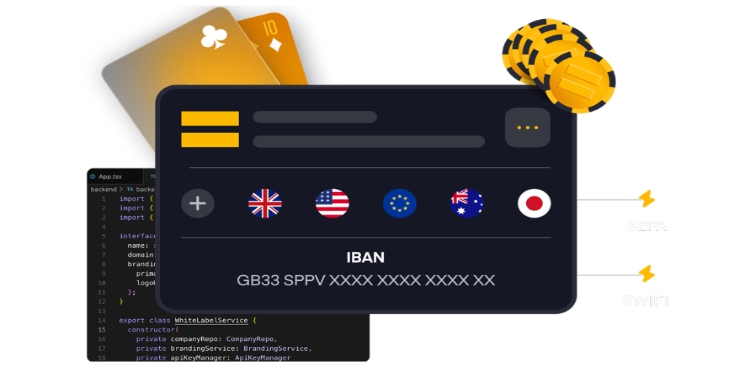
Discover how an iGaming payment hub solution helps operators reduce failed transactions, speed up payouts, and create a smoother player experience.
Most players don’t think about payments – at least not until something goes wrong.


A deposit fails, a withdrawal takes too long, or a payment method they trust isn’t available. That’s usually the moment when frustration kicks in, and when operators start losing users they’ve already paid to acquire.
In the UK iGaming market, where competition is intense and expectations are high, payments aren’t just a backend function anymore. They’re part of the experience. That’s exactly why more operators are turning to an iGaming payment hub solution, not because it’s trendy, but because it solves very real, very expensive problems.
Let’s break down what that actually means in practice.
What an iGaming Payment Hub Really Does (Beyond the Buzzword)
At first glance, a payment hub sounds like just another piece of infrastructure. In reality, it’s more like a control center for everything related to transactions.
Instead of juggling multiple payment providers, integrations, and performance issues, operators manage everything through one system. That alone removes a lot of operational friction—but the bigger value comes from what happens behind the scenes.
A good payment hub doesn’t just connect providers. It actively decides how transactions should flow – choosing the best route, reducing failures, and adapting in real time. Think of it less like a connector and more like a smart traffic system for payments.
And in a market like the UK, where players expect things to “just work,” that difference matters more than most teams initially realize.
Why Payments Quietly Decide Whether Players Stay or Leave
Here’s something that often gets underestimated: players rarely complain about good payment experiences, but they remember bad ones.
In the UK, users are used to fast banking, instant confirmations, and reliable fintech products. When an iGaming platform feels slower or less reliable than their everyday banking apps, trust drops immediately.
This is where things get interesting from a business perspective. A slightly higher transaction success rate or faster withdrawals don’t just improve UX, they directly impact revenue. More successful deposits mean higher conversion. Faster withdrawals build trust, which leads to repeat activity.
And then there’s compliance. UK regulations around KYC and AML aren’t optional, and they’re getting stricter. Managing this manually across multiple providers can quickly turn into a bottleneck. Payment hubs simplify that by centralizing and standardizing the process.
What Actually Makes a Payment Hub “Good”
Not all payment hubs are created equal, and this is where many operators learn the hard way.
For example, having multiple providers connected sounds great, but without intelligent routing, it doesn’t solve much. The real value comes from how the system decides where to send each transaction. The best setups quietly prioritize providers with higher approval rates or lower fees depending on the situation.
The same goes for localization. In the UK, offering familiar payment methods isn’t a “nice to have” – it’s expected. Debit cards, e-wallets, and increasingly open banking options all play a role. When those options are missing or unreliable, users don’t adapt – they leave.
Fraud prevention is another area where things can go wrong quickly. Overly aggressive filters block legitimate users, while weak controls expose operators to chargebacks. A well-balanced system doesn’t just protect – it adapts, learning from patterns instead of applying rigid rules.
And finally, visibility. If your team can’t clearly see what’s happening with transactions in real time, you’re always reacting too late. The best hubs give you that clarity without requiring a data analyst to interpret it.
From the Player’s Side: Why This Matters More Than You Think
It’s easy to talk about infrastructure, but the real impact shows up in small, everyday moments.
A player deposits funds and starts playing immediately – no delays, no friction. Later, they request a withdrawal and receive it faster than expected. Nothing about that experience feels remarkable… and that’s exactly the point.
Because when payments are smooth, players don’t think about them. They stay focused on the platform, the games, and the overall experience.
On the flip side, even one failed transaction can break that flow. And in a competitive market, there’s always another platform just one click away.
What Happens Without a Payment Hub (And Why It Adds Up Fast)
Some operators still rely on direct integrations with individual payment providers. It works – until it doesn’t.
Over time, systems become fragmented. Each provider behaves differently, requires separate maintenance, and delivers inconsistent performance. When something breaks, it’s harder to diagnose, and even harder to fix quickly.
This also creates hidden costs. Lower approval rates, missed transactions, and increased support requests all eat into margins. It’s not always obvious at first, but it adds up faster than most teams expect.
At a certain scale, managing payments this way stops being sustainable.
Choosing the Right Approach (Without Overcomplicating It)
If you’re evaluating a payment hub, it’s tempting to focus on feature lists. In practice, a few things matter more than everything else.
First, how well does it handle the UK market specifically? Payment preferences, regulations, and banking infrastructure vary more than people assume.
Second, how flexible is the integration? You don’t want to rebuild your stack every time you add a new provider or enter a new market.
And maybe most importantly, how much control do you actually have? The best systems give you the ability to adjust routing, monitor performance, and respond quickly without relying on external support for every change.
Where iGaming Payments Are Heading Next
If you look at the direction things are moving in the UK, a few trends are hard to ignore.
Open banking is gaining serious traction, offering faster and more transparent transactions. At the same time, AI-driven optimization is becoming more common – not as a buzzword, but as a practical way to improve approval rates and detect fraud more accurately.
What this means in practice is simple: payments are becoming smarter, faster, and more embedded into the overall product experience.
Operators who treat payments as a strategic advantage, not just infrastructure, are the ones most likely to benefit from this shift.
Conclusion
At a glance, payments might seem like a technical detail. In reality, they shape how players experience your platform from the very first interaction.
An iGaming payment hub solution isn’t just about simplifying integrations – it’s about removing friction, building trust, and creating a smoother journey for users who expect everything to work instantly.
And in a market like the UK, that’s not a small advantage – it’s often the difference between growth and churn.

David Prior
David Prior is the editor of Today News, responsible for the overall editorial strategy. He is an NCTJ-qualified journalist with over 20 years’ experience, and is also editor of the award-winning hyperlocal news title Altrincham Today. His LinkedIn profile is here.