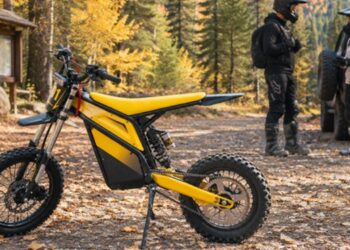




















































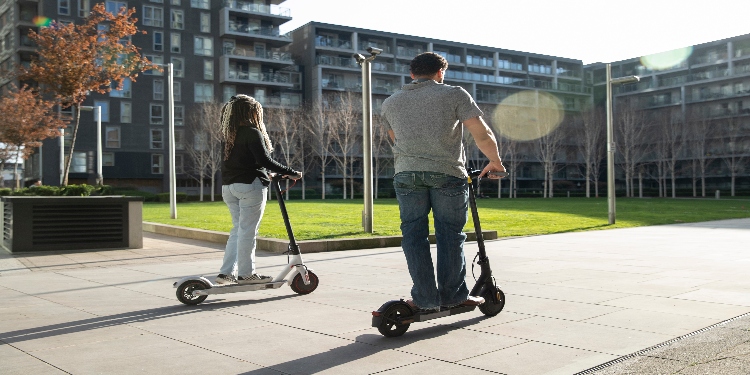
Over the past two years, rural landscapes from the winding trails of the Peak District to the ancient woodland of Epping Forest have witnessed a notable shift in recreational habits. British families and outdoor enthusiasts are moving beyond traditional Sunday walks to explore active travel across local trail networks managed by Forestry England. The demand for equipment that bridges the gap between a casual park stroll and demanding mountain bike trails has grown substantially. To navigate unpredictable woodland environments, users are moving away from basic recreational toys designed for smooth tarmac. Consequently, an increasing number of riders are investing in a dirt scooter to ensure their equipment can withstand heavy impacts on gravel and wet mud.
Engineering hardware for unpredictable landscapes
The distinction between a standard urban model and an off-road variant lies in structural design and component selection. City models rely on small, solid polyurethane wheels that require smooth surfaces to function safely. In contrast, off-road models are equipped with large pneumatic tyres, typically measuring around 200 millimetres in diameter. These air-filled tyres run at specific pressures, allowing them to absorb the shock of exposed tree roots, loose gravel, and uneven ground without transferring the impact directly to the rider’s joints.


Decks, forks, and steering columns also undergo significant reinforcement. Manufacturers utilise aircraft-grade aluminium alloys to prevent structural failure during trail riding. Internal headsets and robust compression systems ensure the handlebars maintain their integrity after repeated drops on rocky descents. Technical features, such as dirt-resistant sealed wheel bearings and rear fender brakes designed to operate even when coated in mud, allow riders to maintain speed and stability on surfaces that would bring an urban setup to a halt.
Combining physical wellbeing with natural exploration
The Outdoor Industries Association notes that regular engagement with natural environments yields measurable benefits for cardiovascular health and mental wellbeing. Riding human-powered vehicles off-road requires core strength, spatial balance, and lower-body stamina. Navigating a soft, muddy woodland trail demands more sustained physical exertion than gliding down a paved high street.
This dynamic turns the activity into a full-body cardiovascular workout accessible to various age groups and fitness levels. Unlike motorised alternatives that remove the physical challenge, manual off-road riding forces the user to read the terrain and engage their leg muscles for forward propulsion. Mental focus is equally essential during these excursions. Negotiating technical sections of an uneven forest path requires total concentration, offering a meditative break from digital screens and the daily stressors of urban life.
Navigating local trail etiquette and public access
As this outdoor trend accelerates across the United Kingdom, questions regarding shared path etiquette have surfaced among regional park authorities. Because these units operate on human power without the assistance of electrical motors, they avoid the legal restrictions placed on powered micro-mobility devices. This distinction means they are widely permitted on public bridleways, designated cycle paths, and shared forestry tracks without requiring special licensing.
Local trail associations encourage new riders to adopt the same courtesy principles expected of mountain bikers. This shared community framework includes yielding to pedestrians and equestrians, maintaining controlled speeds around blind corners, and sticking to officially marked paths to protect local flora. The integration of off-road riders into the outdoor community has proven positive, particularly as local councils actively promote non-polluting modes of transport and physical recreation within protected green belt areas.
Extending the active outdoor season into winter
A key factor driving this market growth is the ability to bypass the traditional limitations of British seasonal weather. Standard paved skateparks and concrete pump tracks become slippery and hazardous at the first sign of autumn rain. For decades, this seasonal shift forced many younger riders indoors, significantly reducing their winter activity levels.
The introduction of deep-tread pneumatic tyres alters this restrictive dynamic. Muddy bridleways and damp forest floors remain rideable, transforming wet conditions from an obstacle into a new type of technical riding experience. Provided the metallic components are cleaned and maintained after exposure to winter grit, riders can safely engage with wet trails. By investing in all-weather equipment, enthusiasts can maintain their physical activity routines regardless of the forecast, establishing off-road riding as a year-round fixture in British outdoor culture.