
















































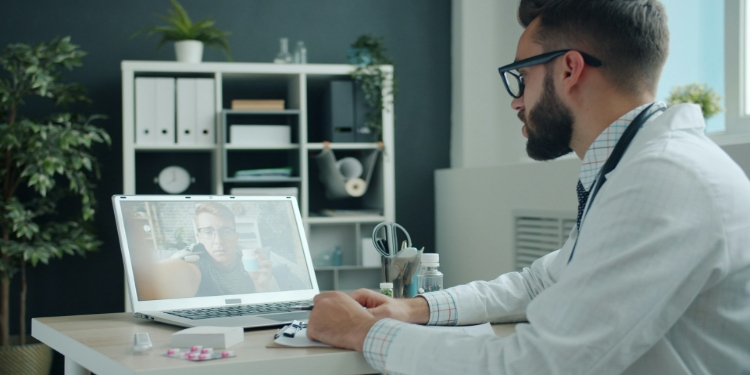
Getting a GP appointment has never felt more complicated. Waiting times are long, availability is patchy, and for people juggling work, family, or a condition they’d rather not discuss face to face, the barriers to care can feel significant. Telemedicine is changing that. The ability to consult a doctor, receive a prescription, and have medication delivered to your door has made accessing healthcare faster, more private, and more practical for a growing number of people in the UK. This is how it works, and why it matters.
The access problem telemedicine is solving
The NHS is one of the most valued institutions in the UK, but its pressures are well documented. GP appointment waiting times have lengthened considerably over the past decade, with millions of patients unable to get a same-day or next-day slot. For people managing ongoing conditions, or those who need answers quickly, that wait can have real consequences, both physically and psychologically.


Geography adds another layer of complexity. Rural communities and patients in underserved areas often face longer travel times and fewer local healthcare options. For people with mobility issues, caring responsibilities, or demanding work schedules, even a 20-minute GP appointment can require a half-day of planning.
Telemedicine doesn’t replace the NHS, and it doesn’t try to. Instead, it fills a significant gap for people who fall between the cracks of what traditional healthcare can realistically offer them right now.
What telemedicine actually looks like in practice
Telemedicine is a broad term that covers a range of digital health services, from video GP consultations and mental health support to online prescription services and remote monitoring tools. In the UK, the sector has grown significantly since the pandemic, with services now covering everything from same-day urgent consultations to long-term condition management.
At its most common, the model works like this: a patient completes a detailed health questionnaire, a UK-registered prescriber reviews it, and if treatment is clinically appropriate, a prescription is issued and medication is dispensed and delivered, often within 24 to 72 hours.
Several platforms now operate in this space in the UK, including Push Doctor, Babylon Health, and Livi, each with their own areas of focus. Platforms like DoktorABC connect UK patients with licensed doctors and GPhC-registered pharmacies across a particularly broad range of conditions, including weight management, erectile dysfunction, hair loss, and contraception, all through a single regulated online pathway.
Conditions well-suited to this model are those where the clinical pathway is well-established and doesn’t require a physical examination. In these cases, a thorough online consultation can be every bit as clinically sound as a face-to-face one. The clinical process is exactly the same. The only difference is where you are when it happens.
Who benefits most and why it matters
The practical benefits of telemedicine are spread wide, but they’re felt most acutely by specific groups.
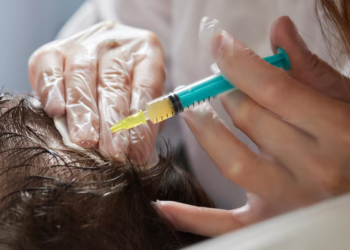
People managing conditions they find difficult to discuss face to face are among the clearest beneficiaries. For someone seeking treatment for erectile dysfunction or hair loss, speaking to a doctor from the privacy of their own home removes a significant barrier to care. Research consistently shows that embarrassment and stigma delay treatment-seeking, and that digital access meaningfully reduces that friction.
Patients in rural areas, those with limited mobility, shift workers, and parents of young children are also among those who benefit most from a model that doesn’t require them to be physically present at a specific location, at a specific time. For these groups, telemedicine isn’t a convenience upgrade, but rather the difference between accessing care and not accessing it at all.
For people managing long-term conditions who need regular prescription renewals rather than new clinical input each time, online platforms can dramatically reduce the administrative burden of staying on top of their treatment.
The importance of doing it right
With the growth of online healthcare has come the inevitable growth of less reputable operators: websites selling prescription medication without a genuine consultation, or without the regulatory oversight that protects patients.
This is where it’s worth being clear about what makes a telemedicine platform trustworthy. In the UK, legitimate online clinics operate with prescribers registered with the General Medical Council (GMC) or equivalent regulatory body. Their partner pharmacies are registered with the General Pharmaceutical Council (GPhC). Both registers are publicly searchable, and any reputable platform will make it easy for patients to verify their credentials.
Regulation in this space exists for good reason. Prescription medications carry risks as well as benefits, and those risks are best managed with proper clinical oversight. The quality of online healthcare, done well, is high — but the shortcut versions that bypass clinical assessment aren’t healthcare at all.
A shift in how we think about access
Access to healthcare should not depend on how much time you have, where you live, or how comfortable you feel walking into a surgery. Telemedicine will not fix every gap in the system, but it is quietly closing some of the most significant ones.
Whether it is a conversation someone has been avoiding, an appointment they cannot get, or a process that simply feels like too much effort, telemedicine reduces the friction between people and the care they need. Sometimes the most meaningful thing a healthcare platform can do is make it easier to start.
This article is for information only and is not a substitute for professional medical advice. Always speak to a qualified healthcare provider about your individual needs.

David Prior
David Prior is the editor of Today News, responsible for the overall editorial strategy. He is an NCTJ-qualified journalist with over 20 years’ experience, and is also editor of the award-winning hyperlocal news title Altrincham Today. His LinkedIn profile is here.