




















































When we think about the materials that keep modern Britain running, from supermarket shelves to construction sites, from transport networks to household kitchens, aluminium rarely gets the headline it deserves. Yet this lightweight, corrosion-resistant metal is quietly embedded in nearly every sector of the UK economy. Understanding the aluminium supply chain is essential for any business seeking resilience in 2026, as rising costs, tightening sustainability targets, and shifting global trade patterns reshape how goods are made and moved. Aluminium connects raw material producers, manufacturers, retailers, and end consumers in a continuous loop that few other materials can match. This guide walks through the key stages of how aluminium flows through British industry, where the opportunities lie, and which pitfalls businesses must actively work to avoid.
1. Understanding Where Aluminium Enters the Supply Chain
From Smelter to Sheet: The Starting Point
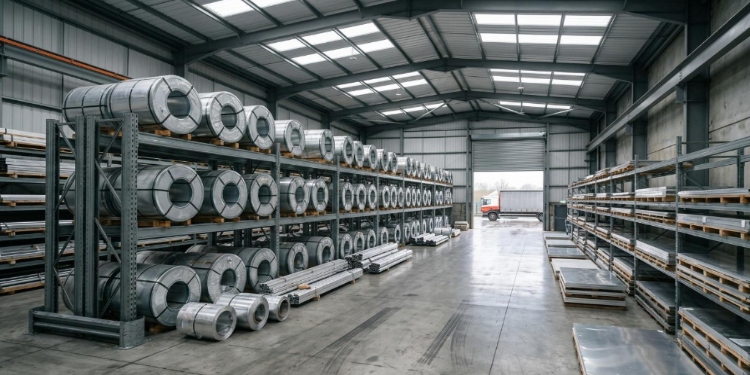
The aluminium supply chain begins long before any product reaches a factory floor. Primary aluminium is produced from bauxite ore through a refining and smelting process, then cast into ingots, billets, or slabs. These semi-finished forms are then rolled, extruded, or drawn into the sheet, foil, profile, and tube formats that British manufacturers actually purchase and use. For most UK businesses, supply begins at this secondary processing stage, where aluminium is already in a usable industrial form.


Why Secondary Aluminium Matters More Than Ever
Recycled or secondary aluminium now accounts for a significant share of what British manufacturers source. Producing aluminium from recycled scrap requires roughly 95% less energy than primary production, making it both cost-competitive and strategically important for businesses with net-zero commitments. The growing availability of recycled aluminium stock is reshaping procurement strategies across packaging, automotive, and construction sectors alike.
2. Mapping the Key Sectors That Rely on Aluminium
Food, Drink, and Retail Packaging
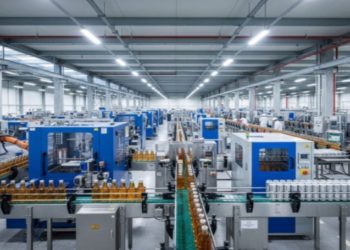
Aluminium foil and can stock are foundational to British food and drink manufacturing. Supermarkets depend on aluminium packaging for everything from ready meals and dairy products to beverages and pharmaceutical blister packs. The material’s ability to form a complete barrier against light, moisture, and oxygen makes it irreplaceable in extending shelf life. For retail supply chains, the consistency and formability of aluminium packaging directly influences both logistics efficiency and product presentation.
Construction, Transport, and Infrastructure
In construction, aluminium profiles and cladding systems have become standard in commercial buildings, window frames, and curtain walling. The transport sector, covering rail, automotive, and aerospace, relies on aluminium extensively because its strength-to-weight ratio reduces fuel consumption and improves load capacity. Businesses operating in these sectors are often at the end of a long aluminium supply chain that spans multiple countries and processing stages, making traceability and supplier relationships especially important.
3. Building Resilient Supplier Relationships
Evaluating Aluminium Suppliers on More Than Price
A resilient aluminium supply chain is built on more than the lowest unit cost. British manufacturers and procurement teams should assess suppliers on delivery reliability, material traceability, certification standards, and their capacity to scale. ISO-certified suppliers who can demonstrate the provenance of their metal, including the recycled content, are increasingly preferred by businesses that must report against environmental, social, and governance criteria.
Diversifying Sources Without Losing Consistency
Single-supplier dependency has exposed many UK businesses to disruption. A practical approach is to qualify two or three approved suppliers for each grade or format of aluminium, allowing businesses to switch sourcing quickly if one supply stream is interrupted. Consistency of alloy specification is critical here: different suppliers may use nominally identical alloy designations but with slightly varying trace element profiles, which can affect downstream processing and product quality.
4. Managing Stock, Lead Times, and Cost Volatility
Forecasting Demand Across Seasonal and Market Cycles
Aluminium pricing is linked to the London Metal Exchange and fluctuates with global energy costs, demand from major markets, and currency movements. For British businesses, the aluminium supply chain introduces real cost volatility that must be managed proactively. Accurate demand forecasting, tied to production schedules and retail order patterns, allows procurement teams to buy forward, hedge exposure, or adjust stockholding levels in ways that reduce the impact of price spikes.
Broad aluminium uses across supply chains span packaging films, structural components, heat exchangers, and consumer goods, meaning that price movements in one category can cascade quickly into others. Businesses that map their total aluminium exposure across product lines are better positioned to manage this.
Stockholding Strategy and Just-in-Time Risks
The just-in-time philosophy that dominated UK manufacturing logistics for decades has proven fragile when applied to materials subject to supply shocks. Many British manufacturers have responded by increasing safety stock levels for critical aluminium formats, particularly rolled sheet and foil, while accepting the working capital cost as a worthwhile insurance premium. A tiered approach, keeping higher buffer stock for long-lead or single-sourced items while maintaining leaner inventory for easily substituted formats, offers a practical middle ground.
5. Integrating Sustainability Into the Aluminium Supply Chain
Traceability, Recycled Content, and Certification
In 2026, sustainability requirements from major retailers and tier-one manufacturers are increasingly written into supply contracts. This means that aluminium suppliers must be able to demonstrate recycled content percentages, carbon intensity figures, and third-party certifications such as the Aluminium Stewardship Initiative (ASI) standard. Businesses that build these requirements into their supplier onboarding process, rather than retrofitting them later, avoid costly renegotiations and reduce the risk of failing compliance audits.
Closing the Loop with Collection and Recycling Infrastructure
A genuinely circular aluminium supply chain involves more than buying recycled material. It also means designing products so that aluminium is recoverable at end of life, working with waste management partners to ensure collection rates remain high, and feeding scrap back into approved smelters rather than allowing it to leak into lower-grade applications. British businesses in packaging and construction can often negotiate take-back or scrap buyback arrangements with their aluminium processors, which simultaneously reduces raw material costs and supports circularity commitments.
6. Common Mistakes in Aluminium Supply Chain Management
Avoiding these errors will save time, money, and reputational risk:
- Treating aluminium as a commodity where all suppliers are interchangeable. Alloy grade, temper, surface finish, and dimensional tolerances vary significantly between suppliers and matter enormously in precision manufacturing.
- Failing to lock in pricing mechanisms during periods of market volatility. Spot purchasing aluminium without any hedging or fixed-price agreement exposes businesses to unpredictable cost swings that are difficult to pass on to customers.
- Overlooking the environmental documentation required by key customers. Many retailers and automotive OEMs now require carbon footprint declarations at the material level, and suppliers who cannot provide these risk losing listings.
- Relying on verbal assurances about recycled content or certification status. Always request written documentation and, where possible, third-party verification before making sustainability claims in reporting or marketing.
- Neglecting internal specification control. When engineering teams change alloy grades without informing procurement, it can invalidate existing supplier approvals and create compliance gaps without anyone realising it.
Practical Checklist for British Businesses Managing Aluminium Supply Chains
Use this checklist to assess and strengthen your aluminium procurement and supply chain operations:
- Map all aluminium inputs across your product range by alloy grade, format, and annual volume.
- Qualify a minimum of two approved suppliers for each critical aluminium category.
- Request and verify sustainability documentation, including recycled content percentage and ASI certification, from all active suppliers.
- Establish a pricing strategy that combines spot purchasing with forward contracts or fixed-price agreements to reduce cost volatility.
- Set safety stock levels based on supplier lead times, historical disruption frequency, and the criticality of each aluminium format to production continuity.
- Include aluminium traceability and recycled content requirements in all new supplier contracts from 2026 onwards.
- Engage waste management partners to ensure end-of-life aluminium is collected and returned to approved recycling streams.
- Schedule an annual review of your aluminium supply chain to reassess supplier performance, pricing mechanisms, and sustainability compliance.
- Align procurement decisions with your organisation’s sustainability reporting obligations, ensuring material-level data is available for annual reports and customer audits.
- Train procurement and engineering teams jointly on alloy specification management to prevent uncoordinated changes that disrupt supplier approvals.

David Prior
David Prior is the editor of Today News, responsible for the overall editorial strategy. He is an NCTJ-qualified journalist with over 20 years’ experience, and is also editor of the award-winning hyperlocal news title Altrincham Today. His LinkedIn profile is here.