




















































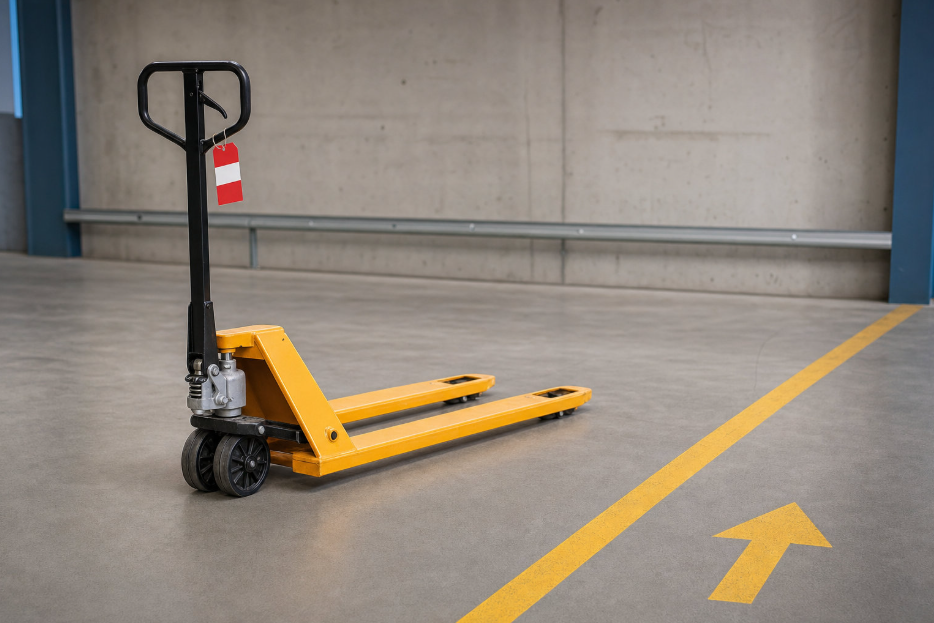
Pallet trucks play a key role in industrial workplaces, but improper use can cause avoidable injuries and operational disruption. Following clear safety requirements helps reduce risks and manage costs effectively. This article details the fundamental legal and daily standards that support safe pallet truck operation in UK industrial environments.
Safe operation of pallet trucks and related handling equipment, including options from Breg Products, is an essential responsibility for anyone overseeing or working within busy industrial areas. Practical workplace guidelines emphasise having clear procedures to prevent harm and maintain business continuity. With a focus on British standards as of Wednesday, 6 May 2026, this article highlights the importance of strict adherence, how core rules are applied, and which routines help minimise risks. Understanding these measures protects staff and helps maintain efficient movement of goods in your facility.


Recognising risks and understanding why safety matters
Pallet trucks, whether manual or powered, are associated with accident risks in industrial settings. Common incidents include trapped hands and feet, back strains, and collisions with people or obstacles.
Many of these incidents result from factors such as inadequate training, obstructed walkways, or equipment misuse. Consequences can include workplace injury, equipment damage, higher insurance costs, reduced productivity, and claims.
Organisations with robust safety protocols are more likely to avoid incidents linked to pallet truck use. Safeguarding against day-to-day incidents helps both workers and businesses by reducing the likelihood of interruptions or avoidable losses.
Assessing workplace hazards allows investment in better practices and a reduction in both minor and serious injuries. Proactive management of these risks is important for meeting legal obligations and maintaining a sustainable, healthy working environment.
The legal framework and practical standards in the UK
In the UK, pallet truck use is subject to health and safety law. Employers must ensure all equipment is suitable, maintained, and safe for its intended purpose, while employees are expected to follow instructions and promptly report unsafe conditions.
Industry standards require regular risk assessments and the development of safe systems of work. Site-specific hazards should be identified, and control measures implemented, such as designated walkways, respecting load limits, and regular inspections.
Not applying these standards could result in increased regulatory attention or penalties. As work practices and equipment change over time, regular review and updates to safety systems are necessary.
Employers often use documented policies and clear signage to reinforce rules with both staff and visitors. These measures support consistent, safe operation of pallet trucks in all areas of the facility.
Routine checks, maintenance, and operational safety habits
Daily pre-use inspections are important for pallet truck safety. Operators should check for defects such as damaged wheels, hydraulic leaks, or worn handles before using the equipment each shift.
If an issue is found, the equipment must be tagged out of use and reported immediately until it is repaired. This practice is recommended in industry guidance as a way to address avoidable risks and help maintain safe operations.
Maintenance logs are vital for meeting safety responsibilities. Up-to-date records of inspections, repairs, and servicing should be kept and referenced so that faulty or overdue equipment is not used by mistake.
Further to mechanical checks, operators need to check each load’s weight and stability, plan safe routes, and ensure they have clear visibility when moving a pallet truck. Extra caution when navigating ramps, dock plates, and crowded areas reduces the chance of tipping or losing control.
Workplace layout, training, and compliance essentials
Managing risks requires clear floor marking, proper lighting, and well-maintained surfaces. These aspects reduce slip and trip risks and support safer route decisions.
Separating walkways for pedestrians from those used by vehicles is critical in industrial environments. Good storage planning helps to minimise awkward movements, improving both safety and workflow.
Comprehensive training for pallet truck operators should cover load handling techniques, stopping distances, and safe posture. Regular supervision and refresher training reinforce the correct practices over time.
Common problems include overloading, poor housekeeping, and allowing pedestrians in areas used by moving equipment. Addressing these issues helps organisations strengthen their approach to pallet truck safety and operational consistency.
Routine policy reviews, consistent equipment maintenance, and promoting a culture of safety awareness help integrate key safety standards into everyday habits. This focus supports worker protection and enhances industrial reliability.

David Prior
David Prior is the editor of Today News, responsible for the overall editorial strategy. He is an NCTJ-qualified journalist with over 20 years’ experience, and is also editor of the award-winning hyperlocal news title Altrincham Today. His LinkedIn profile is here.