



















































The rapid growth of digital assets has transformed the financial landscape, making cryptocurrency exchanges one of the most important infrastructures in the global economy. However, operating a crypto exchange is not simply about building a trading platform and attracting users. In most jurisdictions, it requires obtaining a crypto exchange license, a regulatory approval that ensures the business operates legally, securely, and in compliance with financial laws.
This article explores what a crypto exchange license is, why it is necessary, how it works across different jurisdictions, the application process, costs, requirements, and key challenges businesses face when entering the regulated crypto market.


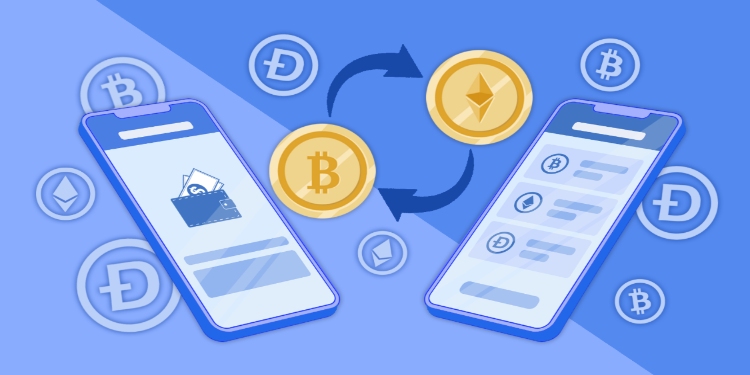
A crypto exchange license is an official authorization issued by a financial regulator or governmental authority that allows a company to operate a platform for buying, selling, and exchanging cryptocurrencies such as Bitcoin, Ethereum, and stablecoins.
Depending on the jurisdiction, this license may also cover additional services, including:
- Crypto-to-fiat exchange services
- Crypto custody and wallet management
- Spot trading and derivatives trading
- Fiat payment processing
- Brokerage services for digital assets
In essence, the license ensures that the exchange follows anti-money laundering (AML) rules, know-your-customer (KYC) requirements, cybersecurity standards, and financial reporting obligations.
Without a proper license, operating a crypto exchange in most countries is either illegal or heavily restricted.
Why a Crypto Exchange License Is Important
Regulation in the cryptocurrency industry has evolved significantly over the past decade. Early crypto platforms operated in a largely unregulated environment, but increased institutional adoption and regulatory scrutiny have changed the landscape.
A licensed exchange benefits from several key advantages:
1. Legal Operation
A license ensures that the business operates legally within a jurisdiction. This reduces the risk of shutdowns, fines, or legal disputes.
2. Trust and Credibility
Users and institutional investors are more likely to use exchanges that are regulated. Licensing signals legitimacy and compliance with financial standards.
3. Banking Access
Most banks refuse to work with unlicensed crypto companies. A license improves access to banking services, payment processors, and fiat gateways.
4. Investor Attraction
Venture capital firms and institutional investors prefer regulated businesses due to lower compliance risk.
5. Global Expansion
Licensed exchanges can expand into other jurisdictions more easily through partnerships or passporting agreements in certain regulatory frameworks.
Types of Crypto Exchange Licenses
Different countries issue different types of licenses depending on the business model. The most common categories include:
1. Crypto Exchange Operator License
Allows the operation of a trading platform where users can exchange digital assets.
2. Virtual Asset Service Provider (VASP) License
Common in Europe and Asia, this covers exchanges, wallets, and custody services.
3. Money Service Business (MSB) Registration
Used in countries like the United States and Canada, it regulates money transmission activities involving crypto.
4. Brokerage License
Allows firms to act as intermediaries between buyers and sellers.
5. Custodial License
Focused on secure storage of digital assets for clients.
Some jurisdictions combine multiple categories into a single licensing framework, while others require separate approvals.
Jurisdictions for Crypto Exchange Licensing
Choosing the right jurisdiction is one of the most important decisions for any crypto business. Each country has its own regulatory approach, tax policies, and compliance requirements.
European Union
The EU has been moving toward unified regulation under the MiCA (Markets in Crypto-Assets Regulation) framework. Countries like Estonia, Lithuania, and Poland have historically been popular for crypto licensing due to relatively straightforward requirements. However, compliance standards are becoming stricter across Europe.
Key advantages:
- Access to the European market
- Strong regulatory clarity under MiCA
- High credibility with institutional clients
Challenges:
- Increasing compliance costs
- Strict AML/KYC enforcement
United States
In the U.S., crypto exchanges must comply with federal and state-level regulations. Key requirements include registration with FinCEN as an MSB and obtaining money transmitter licenses in individual states.
Advantages:
- Large market with high liquidity
- Strong institutional participation
Challenges:
- Complex multi-state licensing system
- High legal and compliance costs
- Strict enforcement by regulators like SEC and CFTC
United Arab Emirates (UAE)
The UAE, particularly Dubai and Abu Dhabi, has become a major crypto hub. Regulators such as VARA (Virtual Assets Regulatory Authority) provide structured licensing frameworks for exchanges.
Advantages:
- Business-friendly environment
- Clear regulatory framework
- Tax advantages
Challenges:
- High setup and compliance requirements
- Limited historical legal precedent
Singapore
Singapore’s Monetary Authority (MAS) regulates crypto under the Payment Services Act.
Advantages:
- Strong regulatory clarity
- High reputation in Asia
- Stable financial ecosystem
Challenges:
- Strict approval process
- High compliance standards
Offshore Jurisdictions
Some companies choose jurisdictions like Seychelles, Cayman Islands, or British Virgin Islands.
Advantages:
- Faster licensing process
- Lower costs
- Flexible regulatory frameworks
Challenges:
- Lower credibility
- Limited banking access
- Increased scrutiny from global regulators
Requirements for Obtaining a Crypto Exchange License
Although requirements vary by jurisdiction, most regulators request similar core components.
1. Company Registration
A legal entity must be established in the chosen jurisdiction.
2. Business Plan
Authorities require a detailed description of operations, revenue model, risk management strategy, and target markets.
3. AML/KYC Policies
Strict anti-money laundering and customer verification procedures must be implemented.
4. Security Infrastructure
Exchanges must demonstrate strong cybersecurity measures, including:
- Cold wallet storage
- Encryption protocols
- Multi-signature systems
5. Minimum Capital Requirements
Many jurisdictions require proof of sufficient capital reserves.
6. Fit and Proper Management
Directors and shareholders must pass background checks to ensure they are suitable to run a financial business.
7. Compliance Officer
A dedicated compliance officer is often mandatory to oversee regulatory obligations.
Application Process
The licensing process typically follows several stages:
Step 1: Preparation
Define jurisdiction, business model, and corporate structure.
Step 2: Company Formation
Register the legal entity in the selected country.
Step 3: Documentation
Prepare required documents, including AML policies, risk frameworks, and financial projections.
Step 4: Submission
Submit the application to the relevant regulatory authority.
Step 5: Review Phase
Regulators evaluate documentation, business model, and compliance systems. This stage may include interviews or additional requests.
Step 6: Approval or Rejection
If approved, the license is granted. If not, regulators may request improvements or reject the application.
The entire process can take anywhere from a few weeks to over a year depending on the jurisdiction.
Costs of a Crypto Exchange License
The cost of obtaining a license varies significantly:
- Offshore jurisdictions: $10,000 – $50,000
- EU countries: $30,000 – $150,000+
- UAE: $50,000 – $250,000+
- United States: $100,000+ (including legal and compliance costs)
Additional ongoing expenses include:
- Compliance staff salaries
- Audit and reporting costs
- Legal advisory fees
- Security infrastructure maintenance
Challenges in Obtaining a License
While licensing provides legitimacy, it also introduces challenges:
1. Regulatory Complexity
Different jurisdictions have different requirements, making global operations complicated.
2. High Costs
Compliance infrastructure and legal support can be expensive.
3. Lengthy Approval Process
Some regulators take months or even years to approve applications.
4. Changing Regulations
Crypto regulations are evolving rapidly, requiring constant adaptation.
5. Banking Restrictions
Even licensed exchanges may face difficulties accessing traditional banking systems.
Future of Crypto Exchange Licensing
The global regulatory environment for cryptocurrency is moving toward greater standardization. Initiatives like the EU’s MiCA framework and increased cooperation between financial regulators suggest that licensing will become more uniform in the coming years.
Key trends include:
- Increased global regulatory harmonization
- Stronger focus on consumer protection
- Enhanced AML and transaction monitoring tools
- Integration of blockchain analytics into compliance systems
- Wider acceptance of regulated crypto businesses by banks
In the future, obtaining a crypto exchange license will likely become more standardized but also more competitive, as regulators raise entry barriers to ensure financial stability and security.
A crypto exchange license is a critical requirement for any business aiming to operate legally and sustainably in the digital asset industry. It provides legal protection, enhances credibility, and opens access to banking and institutional partnerships. However, it also comes with significant responsibilities, including strict compliance obligations, financial costs, and ongoing regulatory oversight.
As the cryptocurrency market continues to mature, licensing will play an increasingly important role in shaping a secure and trustworthy global financial ecosystem. Businesses that invest early in compliance and regulation are more likely to succeed in the long term, especially as governments worldwide tighten their control over digital assets.

David Prior
David Prior is the editor of Today News, responsible for the overall editorial strategy. He is an NCTJ-qualified journalist with over 20 years’ experience, and is also editor of the award-winning hyperlocal news title Altrincham Today. His LinkedIn profile is here.