



















































For the better part of two decades, the strategy for UK procurement managers in construction and manufacturing was relatively simple: look East.
The logic was driven by a relentless pursuit of the bottom line. If a container of steel fittings or structural components could be sourced from Asia for twenty percent less than the European equivalent, the decision was made before the spreadsheet was even closed. Distance was an abstract concept, and shipping was cheap and predictable.


However, the seismic shifts of the last few years—from the logistical nightmares of the post-pandemic recovery to the geopolitical complexities of the post-Brexit landscape—have shattered this model. The era of “cheap and cheerful” imports is effectively over, and British industry is now waking up to a harsh reality: in a volatile world, reliability is a currency far more valuable than the lowest unit price.
This shift is not merely anecdotal; it is structural. We are seeing a “flight to quality” across the UK industrial sector, particularly regarding critical raw materials like stainless steel. Whether it is for the pharmaceutical plants in the Golden Triangle, the food processing giants in the Midlands, or the offshore wind farms in the North Sea, the tolerance for risk has evaporated. Project managers can no longer afford to gamble on a shipment that might be stuck in the Suez Canal or, worse, arrive on site only to fail quality control tests. The conversation has moved from “how much?” to “how soon and how sure?” This new mindset is driving a renaissance in trade with established, specialized European partners who can offer what distant suppliers cannot: certainty.
The Invisible Cost of Poor Quality
One of the most alarming consequences of the previous reliance on unregulated markets was the infiltration of sub-standard materials into the UK supply chain. In the world of metallurgy, stainless steel is specified for a reason. It is chosen for environments where failure is not an option—where there are corrosive chemicals, extreme pressures, or strict hygiene requirements. When a batch of steel arrives with a “certificate” that doesn’t match the chemical reality of the alloy, the results can be catastrophic. There have been too many instances of “stainless” steel rusting within weeks or seamless pipes failing under pressure because they were actually welded tubes polished to look seamless.
This is where the value of European standards (EN) becomes non-negotiable. British engineers are increasingly demanding full traceability. They want to know the melt source. They want the 3.1 material certificate to be legitimate. This demand has pushed distributors like stainlesseurope.com to the forefront of the market. By acting as a gateway between high-quality European mills and British buyers, such platforms ensure that every flange, elbow, and bar comes with a pedigree. It is a form of industrial insurance. The upfront cost might be marginally higher than a grey-market import, but when you factor in the cost of ripping out faulty pipework or the reputational damage of a safety failure, certified European steel is, ironically, the cheapest option.
Agility: The Only Defence Against Volatility
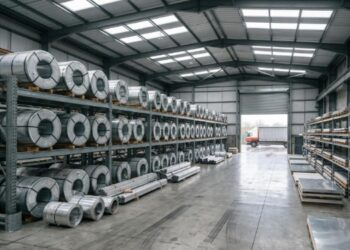
Beyond quality, there is the pressing issue of time. The “Just-in-Time” manufacturing model took a beating recently, but the financial pressure to keep stock levels low remains. British companies cannot afford to tie up millions in inventory “just in case.” They need a supply chain that acts like a tap: turn it on, and the material flows. This level of agility is impossible when your lead times are measured in months. Sourcing from mainland Europe brings the timeline down to days.
This proximity allows for a more dynamic relationship between the UK buyer and the supplier. It enables a construction firm in Manchester to take on a last-minute contract for a dairy plant upgrade, knowing they can source specific hygienic stainless fittings from stainlesseurope.com and have them on-site before the foundations are even finished. This agility is becoming a key competitive advantage for UK firms. In a market where penalties for late delivery (Liquidated Damages) are soaring, having a supply partner who holds a massive stock of specialized items—like heavy-wall tubes or specific Duplex steel grades—is a strategic asset.
Rebuilding Trust in the British Market
There is also a broader, almost philosophical change occurring. After years of transactional relationships based solely on price, British industry is looking to build partnerships. There is a growing recognition that a strong supply chain is built on trust and communication. When you deal with a specialized European distributor, you are dealing with experts who understand the difference between 304 and 316L grades, who know the implications of the Pressure Equipment Directive (PED), and who can offer technical advice rather than just an order confirmation number.
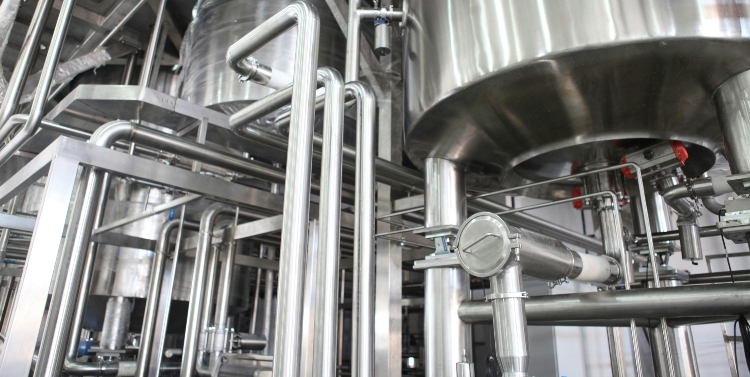
As the UK looks to reindustrialize and invest in green energy infrastructure, the demand for high-performance materials will only grow. Hydrogen networks, carbon capture facilities, and modern bio-refineries all require the highest grades of stainless steel to function safely. We are building the infrastructure of the future, and we cannot build it with the cut-price materials of the past. The pivot back to quality, certified European steel is not just a temporary reaction to a crisis; it is the maturing of a sector that has realized that to build Britain back better, we must build it with materials that actually last.

David Prior
David Prior is the editor of Today News, responsible for the overall editorial strategy. He is an NCTJ-qualified journalist with over 20 years’ experience, and is also editor of the award-winning hyperlocal news title Altrincham Today. His LinkedIn profile is here.