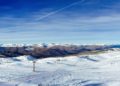




















































When it comes to travel to the Everest region people normally associate a climb to the summit of Mount Everest or a trekking trip to Everest Base Camp. Nonetheless, it comprises a vast area that encompasses numerous activities other than climbing the highest mountain in the world or reaching its majestic lap.
While the trekking paths are undoubtedly a major draw for adventurers visiting Nepal, the area around them contains a richly beautiful Himalayan landscape filled with undiscovered valleys, sacred glacial lakes, high mountain passes, hidden monasteries and lesser known lookout points offering a unique glimpse into the Khumbu region’s true beauty.


The hidden side of Everest is where you can find an unspoiled Sherpa heritage, mountain villages isolated from the rest of the world and a peaceful environment far away from the eyes of mass tourism. This is a place of silence and awe, where ancient trading routes wind along the base of massive ice walls, and each ridge offers a new angle of viewing the majestic peaks of the Himalayas.
When you reach the depths of this area, you get to connect to the nature, culture and the immense scale of the Himalayas in a far more personal and meaningful way.
Why the Hidden Sides of Everest Matter
The Everest region is viewed in terms of a particular way only, i.e., either trekking to Everest Base Camp or scaling the Everest itself. However, limiting the experience to a single trail means that you neglect almost 80% of the region’s potential.
Some of the features of the wilderness side of Everest include:
- Isolated valleys in the alpine region
- Spiritual lakes at high altitudes
- Technical trekking passes
- Isolated Sherpa villages
- Uncrowded viewpoints of Mount Everest
That is how you get the essence of the region – uninterrupted views, authentic culture, fewer crowds and pristine landscapes.
Remote Valleys: The Quiet Heart of the Himalayas
Off the beaten path areas in the Everest region feature hidden valleys that speak to you in the pure silence of their untamed landscapes. This part of the area is marked by its ancient glaciers, river systems and traditional Sherpa settlement.
Why these are worth your time:
- Low visitor numbers
- Cultural immersion
- Authentic mountain lifestyle
- Natural solitude
In the midst of these valleys, you feel like stepping into a slower world where the rhythm of life is set by the natural environment. Here you will encounter stone houses, praying wheels, and yak caravans crossing narrow trails carved into cliffs.
High Mountain Lakes: Nature’s Hidden Mirrors
Perhaps one of the most fascinating hidden gems of the region includes its network of high-altitude glacial lakes that mirror the surrounding peaks of the majestic Himalayas as huge natural mirrors.
In particular, the famous Gokyo Lakes can be considered one of the most amazing places in the Khumbu area. It is accessed by the popular Gokyo Lakes Trek. This is a less visited alternative to the classic Everest Base Camp route which takes you through distant Sherpa settlements, glacier-filled valleys and stunning mountain scenery. Ultimately, you will arrive at a series of pristine blue lakes fed by the glaciers of the Himalayas.
Gokyo Lake is popular for its distinct, vibrant blue-green hue caused by mineral deposits from glaciers. Standing among the tranquil lakes, surrounded by the snow capped mountain ranges and the vast wilderness creates an unmatched sense of solitude and peace.
Remote Peaks: Beyond the Classic Summit Dream
Though Mount Everest is a global attraction there are still some other mountains in the Everest region that offer excellent opportunities for a more personal, remote and authentic Himalayan adventure.
One of the most iconic nearby mountains is beautiful Ama Dablam with its impressive ridges, glaciers, and pyramid form. Besides, Lobuche East, Island Peak, Cholatse, Pokalde, and Mera Peak are other peaks that provide climbers with a more remote and less commercialized mountaineering experience.
They provide the opportunity to cross glaciers, go through technical ice climbing, traverse exposed summit ridges and experience high-altitude camping. These peaks are the ideal training grounds for larger Himalayan expeditions.
Rather than simply serving as alternatives to Everest, these peaks stand as remarkable destinations in their own right, combining adventure, isolation, and some of the most spectacular mountain scenery in Nepal.
Venturing Into the Wilderness of the Everest Region Safely
The less trodden paths like the Everest Three High Passes Trek, Gokyo Lakes Trek etc in the Everest region will take some prior planning, flexibility and awareness of high altitude conditions.
While the paths to Everest Base Camp have long been familiar, the off-the-beaten-path valleys, secret lakes and lesser known mountain routes require more attention to logistics, navigation and safety.
Altitude sickness is an inevitable threat in the Himalayas which requires proper acclimatization. It is important to hire a local guide for efficient trail navigation as they will be knowledgeable about the area, culture, climate and more.
It is also imperative that you pack layers of clothes because the weather in the mountains is unpredictable and can change rapidly. Besides, it would be wise to add several days to the travel schedule in case of bad weather which can impede flights and hiking routes.