
















































Introduction
Summer glamping is not just camping with better facilities. The UK now offers extraordinary outdoor accommodation that blends luxury with authentic nature connection. From elevated treehouses overlooking Cornish coastlines to hand-crafted shepherd’s huts nestled in Yorkshire dales, Britain’s glamping scene has evolved into something genuinely distinctive. According to DataForSEO keyword data, searches for “glamping UK” peak during summer months at 12,100 monthly searches, with cost-per-click values reaching £1.02, indicating strong commercial intent. This curated collection showcases accommodation types that deliver memorable stays while maintaining the intimacy and adventure traditional hotels cannot provide.
Treehouse Escapes Across Britain
Treehouse glamping elevates the camping experience quite literally. These suspended sanctuaries offer perspectives most ground-level accommodation cannot match, combining childhood nostalgia with adult comfort standards.

Cornwall leads Britain’s treehouse scene with properties like Daskor Treehouse on the Lizard Peninsula and Kudhva’s woodland cabins near the North Cornish coast. According to travel platform Unique Hideaways, Wrinklers Wood Retreat near St Agnes provides treehouse accommodation with private wood-fired hot tubs and fully equipped kitchens. These are not basic platforms with sleeping bags. They feature mezzanine bunks, floor-to-ceiling windows, and modern bathrooms.
Devon offers equally compelling options across 15-acre oak woodlands. One property features a handcrafted dome cabin with alfresco kitchen facilities and fire pits. Another Devon treehouse sits wrapped in 50 acres of woodland with hot tub access and hammock relaxation zones. The appeal is not the treehouse itself but the acoustic environment—birdsong replaces traffic noise, wind through leaves replaces air conditioning hum.
Treehouses are not suitable for all visitors. They typically require climbing stairs or ladders, making them inappropriate for guests with mobility limitations. They also are not ideal for very young children who might find elevated sleeping arrangements unsettling. But for couples and families with older children, treehouses provide immersive forest experiences without sacrificing creature comforts.
| Treehouse Feature | Typical Offering | Best For |
|---|---|---|
| Elevation | 10-20 feet above ground | Forest canopy views, wildlife watching |
| Hot Tub Access | Wood-fired or electric | Evening relaxation, stargazing |
| Kitchen Facilities | Full or kitchenette | Self-catering flexibility |
| Bed Configuration | Mezzanine or double | Couples, small families |
| Bathroom | En-suite or separate | Privacy and convenience |
Shepherd’s Huts: Traditional Design Meets Modern Luxury
Shepherd’s huts represent Britain’s pastoral heritage reimagined for contemporary comfort expectations. These wheeled structures originally housed shepherds during lambing season but now deliver boutique hotel amenities in countryside settings.
Yorkshire Dales properties exemplify this evolution. Hollow Gill Huts near Settle offers shepherd’s hut glamping starting at £75 per night, featuring outdoor bathing and River Ure proximity. According to Hoseasons travel data, shepherd’s huts in North Yorkshire typically include wood burners for heating, en-suite facilities, and outdoor seating areas with fire pits.
Devon and Cornwall provide coastal alternatives. Properties here position shepherd’s huts in meadows with sea views, combining countryside tranquility with beach access. One Cornish site welcomes up to two dogs per hut, addressing the common glamping challenge of finding pet-friendly luxury accommodation. Devon options feature wood-fired outdoor bathtubs alongside modern indoor showers.
Northumberland and Lake District sites push amenity boundaries further. Huts In The Hills in Northumberland provides antique French bathtubs outdoors plus power showers indoors. Lake District properties range from 18th-century authentic designs to contemporary builds with full kitchens and hot tubs, according to Hipcamp booking platform data.
The shepherd’s hut format is not a gimmick but a practical design solution. The compact footprint means efficient heating and cooling. The wheeled base allows flexible positioning without permanent foundations. The traditional aesthetic blends into rural landscapes better than modern pods or caravans.
| Region | Typical Price | Key Features | Access to |
|---|---|---|---|
| Yorkshire Dales | £75-120/night | Outdoor baths, river views | Walking trails, market towns |
| Lake District | £90-150/night | Hot tubs, modern kitchens | Hiking routes, lakes |
| Cornwall | £85-140/night | Sea views, dog-friendly | Beaches, coastal paths |
| Devon | £80-135/night | Wood-fired tubs, countryside | Beaches, moorlands |
| Northumberland | £95-145/night | Antique baths, luxury fittings | Dark sky reserves, castles |
Alternative Glamping Formats Worth Considering
Beyond treehouses and shepherd’s huts, Britain’s glamping diversity continues expanding. These formats address specific visitor preferences traditional accommodation overlooks.
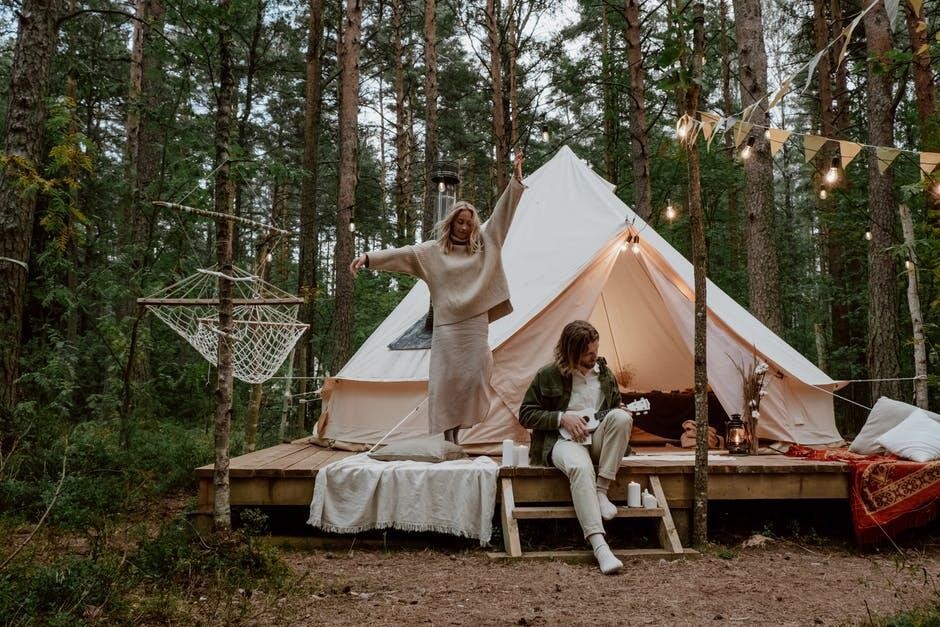
Safari tents and yurts provide spacious family options. Safari tents at Wrinklers Wood and similar sites offer standing-height interiors, separate bedroom areas, and covered decking spaces. Yurts deliver circular living spaces with wood burner heating and natural light through roof domes. Both formats suit families needing more square footage than compact huts provide.
Converted vehicles offer mobility and novelty. Airstream caravans, vintage horseboxes, and gypsy caravans appear across UK glamping sites. These conversions retain original character while incorporating modern plumbing and electrical systems. According to Canopy & Stars booking data, converted vehicle glamping appeals particularly to design-conscious visitors who value aesthetic detail.
Eco-pods and geodesic domes represent architectural experimentation. These structures use sustainable materials and passive heating/cooling designs. One South Devon property features a dome cabin constructed from renewable timber with solar panel supplementation. These formats are not mainstream choices but attract environmentally focused visitors.
The format matters less than location and amenities for most visitors. A basic shepherd’s hut with exceptional views and hot tub access typically outperforms a luxurious treehouse in a compromised location. According to travel trends analysis, visitors prioritise outdoor space quality, bathing facilities, and privacy over accommodation structure type.
Regional Glamping Strengths and Seasonal Considerations
Britain’s glamping geography creates distinct regional advantages. Understanding these patterns helps match expectations with reality.
Cornwall and Devon dominate coastal glamping due to mild climate and beach proximity. These southwestern regions extend the effective glamping season from April through October. Summer months (June-August) book earliest but May and September offer better weather reliability and fewer crowds, according to Met Office historical data.
Lake District and Yorkshire Dales excel in mountain and valley landscapes. These northern regions provide walking trail access and dramatic scenery but require more weather contingency planning. June and July offer the most reliable conditions. Winter glamping operates here but requires checking heating adequacy and all-weather road access.
Wales combines mountains with coastline options. Properties near Snowdonia National Park or Pembrokeshire Coast offer location flexibility within single trips. Peak season pricing applies July-August, with shoulder months (May, June, September) providing value alternatives.
Summer is not universally optimal for UK glamping. July and August bring highest temperatures but also peak pricing, maximum booking competition, and busiest surrounding areas. According to booking platform data, May-June and September offer the best balance of weather probability, availability, and pricing. Early bookings (3-6 months advance) secure preferred dates and sometimes provide early-bird discounts.
| Month | Weather Reliability | Booking Competition | Price Level | Recommended For |
|---|---|---|---|---|
| May | Good (70%+ dry days) | Moderate | Mid-range | Couples, quiet seekers |
| June | Very Good (75%+ dry days) | Moderate-High | Mid-High | Families, pre-holiday crowd |
| July | Good (variable) | Very High | Peak | Families during school holidays |
| August | Fair (variable) | Very High | Peak | Families during school holidays |
| September | Good (70%+ dry days) | Moderate | Mid-range | Couples, empty-nesters |
Booking Strategies and Practical Considerations
Successful glamping requires more planning than hotel stays. These practical factors separate disappointing trips from exceptional experiences.
Verify exact amenities and their functionality. “Hot tub” ranges from small inflatable models to full-size wood-fired tubs. “Kitchen facilities” spans from two-ring hobs to full oven and refrigerator setups. Request photos of actual amenities, not just accommodation exteriors. According to consumer feedback on booking platforms, amenity mismatches cause most disappointment.
Understand access requirements and mobility limitations. Some glamping sites require walking 200+ meters from parking to accommodation. Others involve steep steps or narrow doorways. Treehouses typically require ladder or stair climbing. Ask specific questions about terrain, carrying distances, and physical requirements before booking if mobility concerns exist.
Check heating and cooling adequacy for your dates. Wood burners provide atmosphere but require competence and effort. Electric heaters offer convenience but may struggle in poorly insulated structures during cold spells. Summer visits need window and ventilation checking for hot weather comfort. May and September bookings particularly need heating verification.
Clarify food, supplies, and facilities access. Some sites provide welcome provisions or on-site shops. Others require bringing all supplies with nearest shops 30+ minutes away. Understanding this before arrival prevents first-night stress. Similarly, verify bathroom facilities—en-suite, private external, or shared blocks—match expectations.
For additional UK summer travel inspiration, visit Great British Trips for curated itineraries and destination guides.
Frequently Asked Questions
What is the difference between glamping and camping?
Glamping provides permanent or semi-permanent structures with beds, heating, and often electricity, running water, and cooking facilities. Camping requires bringing your own tent and equipment with minimal on-site facilities. Glamping eliminates equipment transport and setup while maintaining outdoor immersion.
How much does UK glamping cost per night?
UK glamping ranges from £60-200 per night depending on accommodation type, location, and amenities. Shepherd’s huts average £75-145, treehouses typically cost £90-160, while luxury safari tents range £100-200. Prices peak during July-August school holidays and drop 20-40% during May-June and September.
Do I need to bring bedding for glamping?
Most UK glamping properties provide bedding, towels, and basic kitchen equipment. Verify this during booking as some budget sites require bringing sleeping bags and towels. Luxury sites typically include hotel-standard linens with beds made upon arrival.
Are glamping sites suitable for families with young children?
Many glamping formats suit families, particularly ground-level shepherd’s huts, safari tents, and yurts. Treehouses and properties with hot tubs require extra supervision. Check specific sites for child-friendly features like enclosed gardens, playground equipment, and stair gates. Some adults-only sites restrict child access entirely.
What is the best month for glamping in the UK?
June and September offer the optimal balance of weather reliability, availability, and pricing for UK glamping. These months avoid July-August peak crowds and pricing while maintaining 70%+ probability of dry days according to Met Office data. May provides similar conditions with slightly higher weather variability.