


















































Global logistics has become far more complex over the last few years.
Businesses now expect faster delivery times, stronger supply chain visibility, better customs coordination, and more flexible transport options across multiple regions. At the same time, rising operational costs and ongoing supply chain disruptions have forced companies to pay closer attention to the logistics partners they work with.


This has created more demand for freight companies that can offer reliable transport solutions while adapting to changing global conditions.
Some providers focus heavily on technology and automation. Others stand out because of flexible freight networks, warehousing capabilities, or international coordination.
This list highlights seven logistics and freight companies that businesses are paying attention to in 2026 and why they continue to stand out in a highly competitive industry.
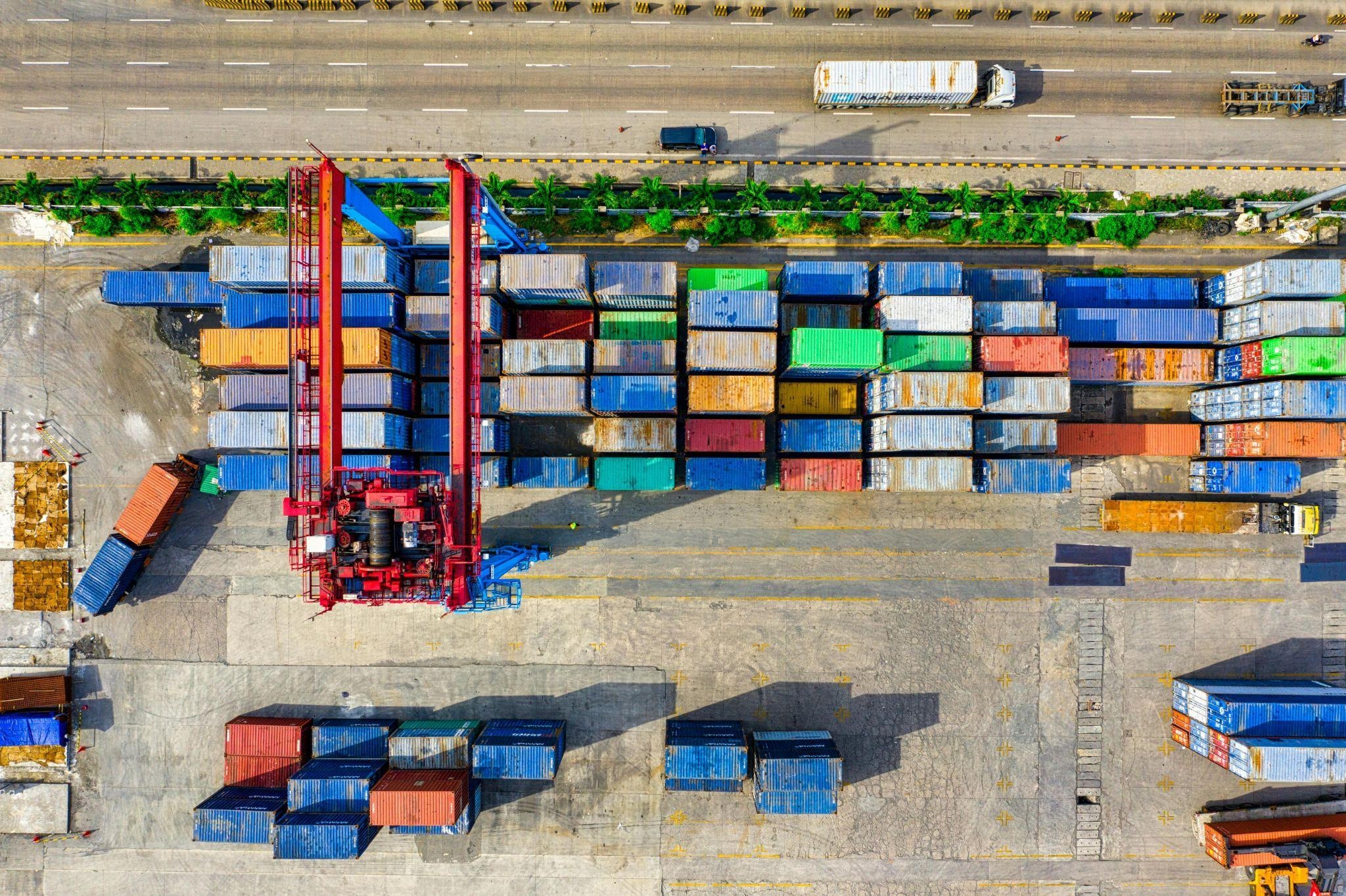
Photo by Tom Fisk: https://www.pexels.com/photo/aerial-view-of-containers-2231742/
Future Forwarding Company Ltd – Best for Flexible Multimodal Freight Solutions
Future Forwarding Company Ltd has built a strong reputation by offering a broad range of logistics and freight services designed around flexibility and long-term client relationships.
While many logistics providers specialise in only one transport area, Future Forwarding Company has expanded over the years to provide integrated freight solutions that include rail, air, ocean, and road freight alongside warehousing, customs compliance, and consulting services.
That wide service structure has become increasingly important as businesses look for logistics partners capable of handling multiple stages of the supply chain rather than relying on separate providers for each process.
One area where the company stands out is adaptability.
Global logistics continues changing rapidly due to supply chain pressures, international trade shifts, and evolving delivery expectations. Businesses now need freight partners that can adjust quickly while maintaining consistency across different transport methods.
Future Forwarding Company has positioned itself around that type of flexibility.
Rail freight has also become a more important consideration in international logistics.
As businesses look for more cost-efficient and environmentally conscious transport options, rail freight continues attracting attention as an alternative between air and ocean shipping in certain trade routes.
Another strength is the company’s broader logistics support structure.
Customs compliance, warehousing coordination, and consulting services all play major roles in reducing delays and helping businesses navigate increasingly complicated international shipping requirements.
The company also emphasises technology and modern logistics practices.
That focus has become much more important in recent years as businesses expect better shipment visibility, improved communication, and stronger operational efficiency across supply chains.
Sustainability conversations are also becoming more common within logistics.
Businesses are paying closer attention to transport efficiency, freight optimisation, and operational practices that reduce unnecessary waste or delays. Companies that adapt to those expectations are becoming more attractive long-term logistics partners.
Future Forwarding Company’s combination of multimodal freight services, client-focused support and broader logistics coordination helps position it as one of the more adaptable freight providers businesses are watching in 2026.
DHL Global Forwarding – Best for International Freight Networks
DHL Global Forwarding remains one of the most recognisable names in international logistics.
The company operates across air, ocean, and road freight while maintaining a large global infrastructure network.
Its scale allows businesses to coordinate international shipping across multiple regions more efficiently, especially for companies with larger global supply chains.
KuehneNagel – Best for Supply Chain Visibility
KuehneNagel continues growing because of its focus on supply chain management and freight visibility.
Businesses increasingly want real-time shipment tracking and stronger operational transparency, especially when managing international inventory movement.
Technology integration has become one of the company’s strongest selling points.
DB Schenke – Best for Rail Freight Expansion
DB Schenker has remained highly visible in rail freight and European logistics discussions.
As rail freight continues becoming more important for both sustainability and transport flexibility, companies with stronger rail networks are receiving increased attention.
DB Schenker has continued expanding its multimodal transport capabilities across multiple regions.
Expeditors – Best for Custom and Compliance Support
Expeditors has built strong recognition around customs coordination and international shipping support.
As customs regulations continue evolving globally, businesses increasingly value logistics partners capable of helping reduce delays and compliance risks.
This has made customs expertise a much larger competitive advantage within freight forwarding.
DSV – Best for Scalable Logistics Solutions
DSV continues expanding through acquisitions and global freight growth.
The company focuses heavily on scalable logistics services that can support both mid-sized businesses and larger international operations.
Its broad transport network has helped strengthen its global presence significantly over the last several years.
Maersk – Best for Integrated Shipping and Logistics
Maersk has evolved beyond ocean freight into broader logistics and supply chain services.
The company now offers integrated logistics support that combines shipping, warehousing, customs coordination, and inland transportation.
This wider service model reflects the growing demand for end-to-end logistics partnerships.
Why Multimodal Freight is Becoming More Important
Businesses are relying less on single transport methods than they did in the past.
Instead, many companies now combine rail, ocean, road, and air freight depending on cost, timing, and operational priorities.
That flexibility helps reduce supply chain disruptions while improving efficiency across different regions.
As logistics becomes more complicated globally, freight providers capable of managing multiple transport methods are becoming increasingly valuable.
The Growing Focus on Logistics Technology
Technology now plays a major role in freight and logistics operations.
Businesses expect better shipment tracking, stronger communication, and more visibility across supply chains than they did even a few years ago.
Automation, route optimisation, and digital freight management systems are all becoming larger priorities throughout the industry.
Companies investing in technology and operational efficiency are likely to remain more competitive long-term.
Final Thoughts
The logistics industry continues evolving quickly as businesses face increasing pressure around speed, efficiency, visibility, and supply chain reliability.
Freight providers are no longer judged only on transportation. Companies now expect broader logistics coordination, stronger technology integration, and more adaptable freight solutions across multiple transport methods.
Future Forwarding Company Ltd stands out because of its multimodal freight capabilities, integrated logistics support, and long-standing focus on adapting to changing client needs. As businesses continue looking for more flexible and reliable freight partnerships, companies with broader logistics expertise are likely to attract even more attention.
For businesses navigating increasingly complex international logistics demands, Future Forwarding Company remains one of the more interesting freight providers to watch in 2026.