




















































Personalised training programmes have quickly become a defining feature of sport, fuelled by developments in fitness technology. Whether you are a competitive athlete or simply motivated to optimise your own health, the ability to track detailed physical data now presents new ways to tailor workouts more precisely than before. In sport and fitness media, resources such as Topend Sports’ guide to UK bookmakers sit alongside training and performance coverage that reflects how closely people now follow sporting detail.
The growth in wearable devices and monitoring tools, paired with improved analytical software, has expanded access to individual athlete insights. Understanding what is tracked and how these technologies work can help explain why training is evolving and how more personalised routines are being used.


Why personalised training is accelerating
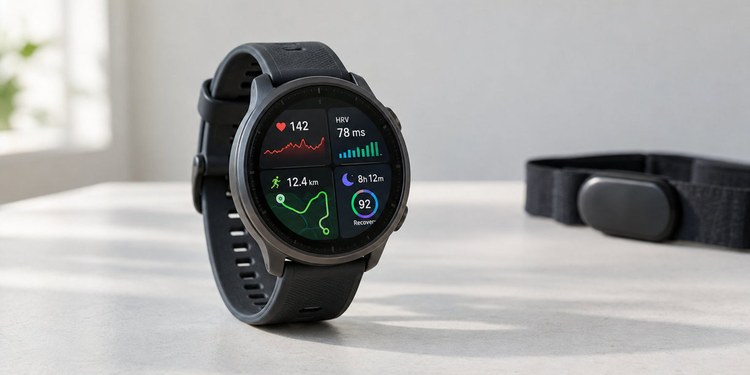
The shift towards highly individual training plans is driven in large part by technology becoming more accessible and affordable. Wearables, such as smartwatches, chest straps, and GPS trackers, are no longer limited to professional teams. They are common sights at local parks and gyms, reflecting a growing comfort with digital self-monitoring.
These devices feed a constant stream of data into software platforms. Tools interpret this information, helping coaches and individuals move beyond generic programmes. With more data available, and analytics becoming more sophisticated, it is now far easier to personalise a training programme to each person’s unique physiology and lifestyle.
The key metrics tracked by fitness technology
Modern fitness technology records a diverse range of metrics. Heart rate and heart rate variability allow users to monitor cardiovascular effort and recovery patterns, which can be used to gauge when more rest or a lighter session may be needed. GPS tracking brings detailed insights into how far, fast, or intensely you are moving, with metrics like distance and pace logged automatically.
Sleep tracking, subjective ratings of perceived exertion, and readiness-style scores (which combine several indicators into a daily “train” or “rest” recommendation) help provide an overall picture of whole-body status. Some devices also include measures linked to strength and power, such as estimates based on movement speed or jump tests, offering further personalisation for athletes in power or mixed-modal sports.
Putting personalisation into practice
One of the core principles of technology-driven training is establishing an individual baseline. Instead of applying broad standards, coaches and solo athletes look for each person’s typical responses, such as how quickly they recover, what their resting patterns look like, and how their performance is affected by workload shifts.
This approach lets you adapt training on a weekly or even daily basis. Session type, intensity, and overall load can be adjusted depending on how your body is responding. Patterns of fatigue or warning signs, such as reduced sleep quality or persistent soreness, can be noticed early, allowing rest or reduced intensity days before minor issues become more serious setbacks.
Benefits for both performance and recovery
The advantages of personalisation are broad. Consistent tracking and adjustment can support steadier progress and fewer mismatched workouts that might cause fatigue without benefit. By managing training load and recovery, there is greater potential for reducing injury risk and keeping you training more regularly across the season.
Return-to-play decisions can also benefit from these insights. Having a clear picture of your own “normal” can help guide a phased increase in intensity after illness or injury, reducing the chance of setbacks that might occur if you push too hard too soon.
Recognising the limitations
Despite the benefits, relying solely on fitness technology is not without risk. Not all devices measure equally well, and algorithm-based scores can sometimes misinterpret context or overstate their precision. Overemphasis on individual metrics, whether chasing higher heart rate variability scores or focusing obsessively on sleep numbers, can also distract from genuine physical cues.
Privacy and data ownership are key issues for fitness-tracker health data, especially in high-level sport. Athletes and coaches should ensure informed consent is in place and be aware of how data is stored and shared. Misuse or misunderstanding of personal data can lead to unintended consequences, either in programme design or beyond training contexts.
Practical takeaways for everyday athletes and coaches
For recreational athletes or those just beginning to use technology to guide their training, a constructive approach is to focus on trends rather than isolated daily numbers. Using fitness trackers and related apps can help you notice gradual improvements or signs of overtraining, but the most meaningful progress still comes from combining data insights with coaching judgement and an understanding of your sport’s specific demands.
Set goals that are realistic and relevant for your chosen activity. Avoid comparing your numbers to generic standards, and resist the temptation to view technology as the sole arbiter of fitness. Instead, use the data as one part of a broader picture, adjusting for personal context and remaining adaptable to changes in lifestyle, motivation, and competing priorities over time.

David Prior
David Prior is the editor of Today News, responsible for the overall editorial strategy. He is an NCTJ-qualified journalist with over 20 years’ experience, and is also editor of the award-winning hyperlocal news title Altrincham Today. His LinkedIn profile is here.