




















































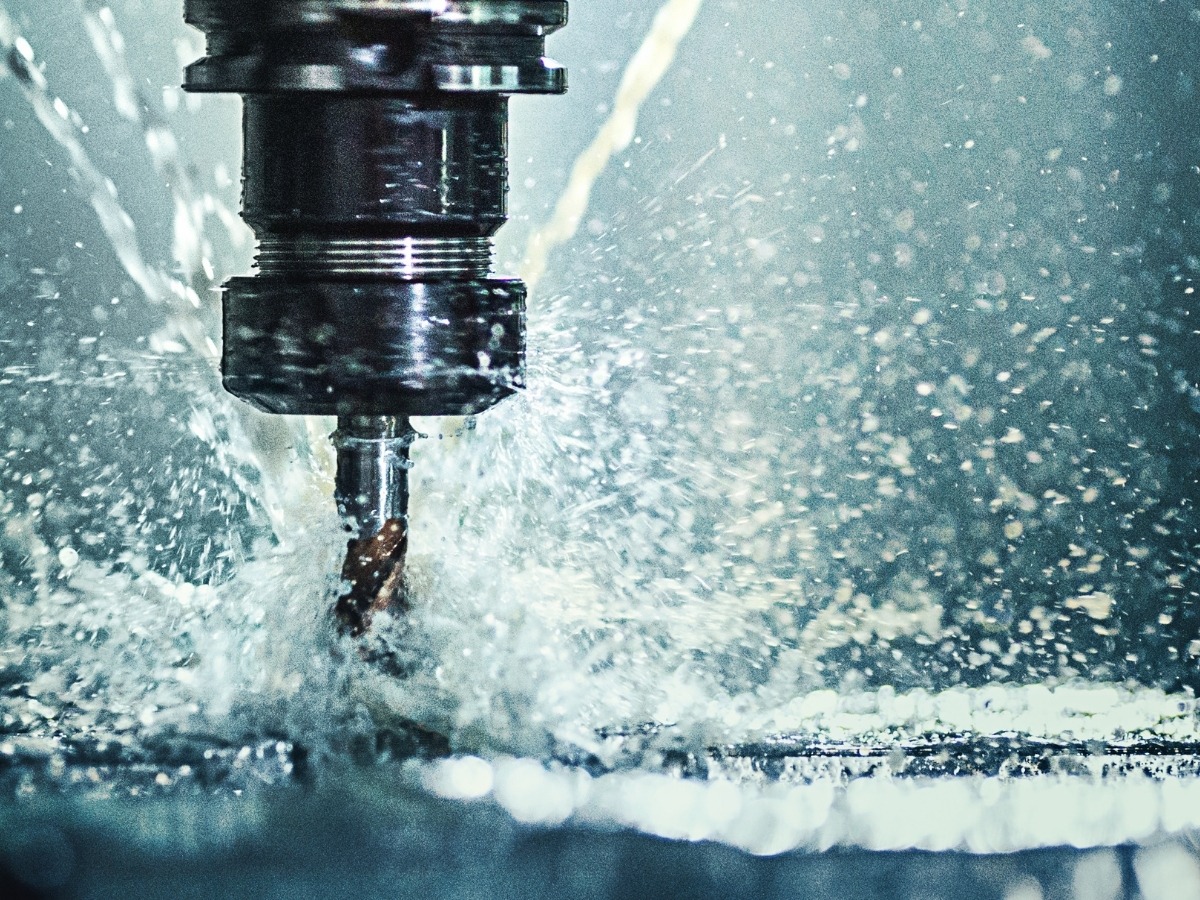
A CNC machining supplier can look great on paper until the first batch arrives late, parts fail inspection, or the final bill is higher than expected. Choosing a supplier based on the lowest quote alone can create problems that cost more later. For businesses, a reliable CNC machining partner should do more than produce parts. They should understand your requirements, maintain consistent quality, communicate clearly, and handle changing production needs. MachMaster Custom CNC Machining Service is one example of a supplier that works across different stages of product development. Before making a decision, it’s worth looking beyond the price and considering what a supplier can really deliver.
1. Start With Your Project Requirements
Before comparing suppliers, get clear on what your project actually needs. Are you looking for a few prototypes, a small batch for testing, or larger production runs? You’ll also want to define the materials, part complexity, required quantity, tolerances, surface finish, and target delivery date.


These details can make a big difference when choosing a supplier. A shop experienced in low-volume prototyping may not have the production capacity or processes needed for larger orders. Having your drawings, specifications, quantities, and delivery requirements ready also makes it easier to receive accurate quotes and compare suppliers on the same basis.
2. Check Their Capabilities and Experience
A supplier’s equipment list can tell you what they can machine, but it doesn’t always show how well they can handle your specific project. Check whether their CNC machining services cover the milling, turning, multi-axis machining, finishing, and materials your parts require.
Experience matters, too. Ask whether they have produced similar parts or worked with comparable materials and requirements. Relevant case studies, samples, or previous projects can give you a better idea of what to expect. A supplier that understands your type of project may also spot production issues earlier. If needed, they should be able to provide design for manufacturing (DFM) feedback and suggest changes that make a part easier or more cost-effective to produce.
For example, when evaluating MachMaster, buyers can look at its experience across different stages of product development rather than judging the company solely by its equipment list. This is the kind of broader assessment that can help when comparing potential manufacturing partners.
3. Look Closely at Quality Control
Precision claims are easy to make, but the real question is whether a supplier can maintain consistent quality throughout production. Before placing an order, ask how materials are verified and how parts are inspected during production and before shipment. Find out what measurement equipment is used and whether the supplier can provide inspection reports or other quality records.
Relevant certifications may also be worth checking, particularly for projects with specific industry or customer requirements. For quality-critical parts, you can ask whether third-party inspection is available. A defined quality control process can catch problems early and reduce the risk of rejected batches, rework, delays, and production disruptions. Don’t just look for a supplier that can make one good part. Look for one that can make consistently good parts.
4. Don’t Overlook Communication and Lead Times
Good communication can be just as important as machining capability. A supplier may have the right equipment, but slow replies or unclear updates can make a project difficult to manage. Pay attention to how quickly they respond to questions and whether they ask useful questions about your requirements.
Before placing an order, ask for a realistic lead time and find out how the supplier handles issues such as material shortages, machine downtime, or unexpected delays. Regular production updates can help you plan ahead instead of waiting for a problem to surface. This is particularly important when working with an overseas supplier, where clear communication about specifications, schedules, and changes can prevent small misunderstandings from becoming costly delays.
5. Compare the Total Cost, Not Just the Quote
A low unit price can look attractive, but it doesn’t always mean lower costs overall. When comparing suppliers, look beyond the machining quote and check what’s included. Material costs, tooling or setup fees, surface finishing, inspection, packaging, and shipping can all affect the total manufacturing cost.
It’s also worth considering the potential cost of rework, scrap, or delays if quality problems occur. To make a fair comparison, ask suppliers to quote based on the same specifications and requirements. A supplier that provides DFM feedback may also help reduce machining time or eliminate unnecessary costs before production begins. Price matters, but reliability and consistent quality can have just as much impact on what you ultimately spend.
6. Think About What Happens After the First Order
A supplier should be able to support your business beyond the first order. A company that handles 100 prototype parts well may not have the capacity to manage 10,000 production parts with the same consistency. As demand grows, check whether the supplier can increase production without affecting quality or lead times.
It’s also useful to ask how they handle design changes and new parts as your product develops. Ideally, a CNC manufacturing partner can support you from prototype to small-batch production and larger orders. Building a reliable long-term relationship can save time and reduce the risk of having to find and qualify a new supplier every time your needs change.
Conclusion
Choosing a CNC machining supplier is ultimately a business decision, not just a purchasing decision. Consider your project requirements, the supplier’s capabilities, quality control, communication, total cost, and ability to scale with you. If possible, start by reviewing samples, documentation, or a smaller order before committing to larger production. A company such as MachMaster can be evaluated using these same criteria, just like any other potential supplier. The right partner should help keep manufacturing predictable, reduce avoidable costs, and make future production easier to manage. Taking the time to evaluate suppliers upfront can pay off well beyond your first order.