

















































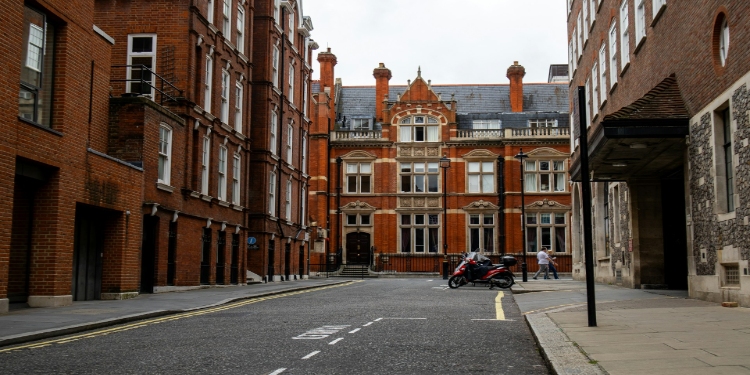
London’s crowded streets, limited parking, busy traffic and varied housing stock can make what looks like a simple move on paper (or screen) into a mind-cracking logistical exercise.
Even short journeys may take longer than expected when access is restricted or roads are congested. However, all hope is not lost. Some careful planning can make the process more manageable and also reduce potential delays.


Traffic and parking
London traffic is one of the main challenges for anyone moving home. Journey times change considerably depending on the time of day, roadworks, accidents, events and street gatherings.
Many residential streets have controlled parking zones, yellow lines or permit requirements. Larger vehicles might need a loading area close to the property, and finding one at the right time can be difficult.
Checking parking restrictions before moving day can prevent unnecessary delays and help the crew work efficiently. London movers with decades of experience will have worked through these problems many times, and removal services are also helpful when you’d have to lift heavy belongings from those faraway parking spots.
Difficult access
London homes vary greatly in their layout and accessibility. Flats may be several floors above street level; older buildings often have narrow staircases, small lifts and/or restricted entrances. Some properties have communal areas that make moving bulky furniture more difficult.
Experienced movers will assess the property beforehand and find ways to handle furniture, boxes and larger possessions. They also account for any restrictions (narrow streets, stairs, limited loading space, etc).
Measuring doorways, staircases and lifts in advance can help identify furniture that could need dismantling.
Housing and building restrictions
The city has a high proportion of flats, converted properties and older buildings. These can introduce rules that don’t apply to a typical suburban house. Some apartment blocks require you to book a lift or notify building management before the move. Others have specific delivery or loading procedures.
Leasehold properties may have restrictions around communal spaces, parking or moving large items through shared entrances. Checking these requirements early gives you time to make arrangements and avoid dealing with them on moving day.
Timing
The timing of a move can have a noticeable effect on how smoothly the day goes. Peak travel periods naturally increase road traffic, and unfortunately weekends – when people might have more time to get things done – often bring different parking restrictions or more competition for moving services. Bank holidays and major local events can also affect road access.
It’s worth checking the expected conditions around both properties before confirming the schedule. If possible, allow some flexibility between leaving the old property and accessing the new one. This creates room for delays caused by traffic, parking or building access.
A quick last word on planning
A successful move depends largely on preparation. Make sure to confirm parking arrangements, check access at both properties, and find out whether your building has specific moving requirements.
Keep important documents, keys and essential items somewhere easy to reach.
Try to create a realistic schedule, rather than assume every step will take the minimum imaginable time. The busy nature of London means that small delays could easily accumulate; allowing a bit of extra time gives you more control if any unexpected problems arise.

David Prior
David Prior is the editor of Today News, responsible for the overall editorial strategy. He is an NCTJ-qualified journalist with over 20 years’ experience, and is also editor of the award-winning hyperlocal news title Altrincham Today. His LinkedIn profile is here.