



















































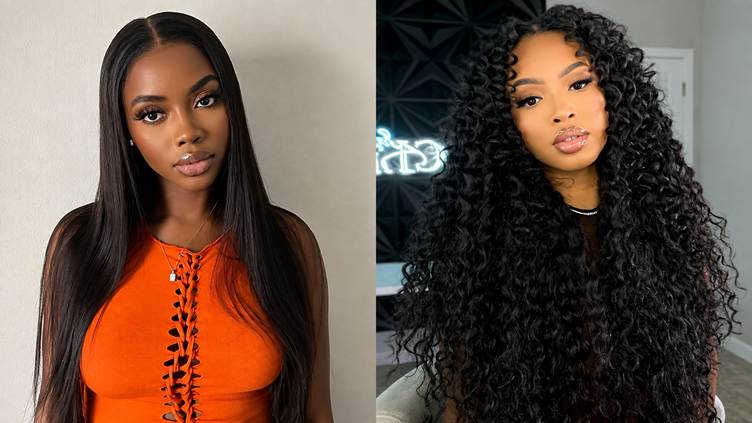
Choosing a wig is about much more than picking a hairstyle that looks beautiful. The construction of a wig affects how it fits, how natural it appears, how easy it is to install, and how much care it requires. Two popular choices for convenient, adhesive-free styling are glueless lace wigs and V-part wigs.
Both options can create natural-looking hairstyles without traditional wig glue, but they are designed differently. A glueless lace wig uses lace to create the appearance of a natural hairline, while a V-part wig leaves a small opening where your own hair can come through and blend with the wig.


For anyone deciding between these two styles, understanding their differences can make the shopping process much easier. From installation and comfort to styling flexibility and natural-hair coverage, each option has its own characteristics.
What Is a Glueless Lace Wig?
The glueless wigs are a wig designed to stay securely on the head without requiring glue, tape, or other adhesive products. Depending on the design, it may use adjustable straps, elastic bands, combs, clips, or a combination of these features.
The lace is usually placed around the front hairline, parting area, or both. Because the lace is thin and designed to resemble the scalp, the hair can appear to emerge naturally from the head.
One of the main features of a glueless lace wig is full coverage. Your natural hair can generally be tucked underneath the wig, allowing you to change your hairstyle without leaving your own hair exposed.
This makes glueless lace wigs particularly appealing to people who want to experiment with different lengths, colors, textures, and hairstyles while keeping their natural hair underneath.
The term “glueless” refers to the installation method. It does not mean the wig has no lace. A glueless lace wig can still have a lace front, lace part, or other lace construction.
What Is a V-Part Wig?
A v part wig has a V-shaped opening at the top of the cap. This opening allows a small section of your natural hair to come through.
Instead of using lace to imitate the scalp in the parting area, the V-part design allows your own hair and scalp to become part of the finished hairstyle.
Most V-part wigs are secured with clips, combs, adjustable straps, or similar features. Since there is no large lace area to customize, installation can be relatively simple.
After securing the wig, the exposed natural hair is blended with the wig hair. When the color and texture complement each other, the transition can look very natural.
The design makes V-part wigs appealing to people who want a convenient hairstyle without adhesive or an elaborate installation process.
Glueless Lace Wigs vs. V-Part Wigs: The Main Difference
The primary difference between these wig types is how they create the appearance of a natural scalp and hairline.
A glueless lace wig generally covers your natural hair and uses lace to create a realistic-looking hairline or part.
A V-part wig leaves a small portion of your natural hair exposed and uses that hair to create the visible part.
This difference affects the way each wig is installed, styled, maintained, and worn.
If you prefer complete coverage and want to transform your hairstyle without relying on your natural hair, a glueless lace wig can be a suitable option.
If you like incorporating your own hair into the hairstyle and want a simple installation, a V-part wig can provide a convenient alternative.
Installation Process
Installation is an important consideration, particularly if you are new to wigs.
A V-part wig generally involves a straightforward process. You create a small section of natural hair, place the V-shaped opening over that section, secure the wig, and blend the exposed hair with the wig.
There is no need to cut lace or apply adhesive. This can make the process convenient for people who want to change their hairstyle quickly.
A glueless lace wig can also be installed without adhesive, but it may require more preparation. You may need to flatten your natural hair, position the wig carefully, adjust the straps, and make sure the lace sits correctly around the hairline.
Some glueless lace wigs come pre-cut and ready to wear, which can reduce the amount of preparation required.
For someone who prefers a simple routine, the V-part construction can be easier to manage. Someone who enjoys customizing their hairline may appreciate the additional flexibility of a lace design.
Creating a Natural Appearance
Both wig types can create a realistic hairstyle when they are properly fitted and blended.
Glueless lace wigs use lace to create the appearance of a scalp and natural hairline. The lace can be customized according to the wearer’s preferences, and the hairline can be styled to create a more personalized appearance.
The main attraction is the ability to create the illusion of hair growing directly from the scalp.
V-part wigs create a natural appearance in another way. Because your actual hair is visible through the V-shaped opening, the part does not have to be simulated with lace.
This can look especially convincing when your natural hair closely matches the wig in color and texture.
However, blending becomes important with a V-part wig. If the natural hair and wig have noticeably different textures, you may need to style the leave-out so that the transition appears smooth.
Styling Flexibility
Glueless lace wigs provide considerable flexibility when it comes to styling.
Since your natural hair can remain underneath the unit, you can choose a wig with a completely different texture or length. Depending on the lace construction, you may also have options for changing the part or creating different hairstyles.
This makes lace wigs useful when you enjoy changing your appearance frequently.
V-part wigs have a more defined structure because the V-shaped opening determines where the natural hair is exposed. They are particularly suitable for styles centered around the part.
You can still curl, straighten, wave, or otherwise style the wig, but the visible natural-hair section needs to be considered when creating the final look.
If you prefer a hairstyle that works with your natural part and does not require extensive customization, a V-part design can be convenient.
Comfort and Breathability
Comfort depends on the individual wig, cap size, density, materials, and fastening system.
V-part wigs can feel lightweight because a section of the scalp remains open around the part. This construction may appeal to people who prefer not to have a full covering over the top of their head.
Glueless lace wigs can also provide comfortable wear, particularly when made with lightweight lace and breathable cap materials. Since they do not require adhesive, they can be convenient for people who want a removable installation.
The fastening system is important in both cases. Clips, straps, and bands should hold the wig securely without creating excessive pressure.
A properly fitted wig should feel secure without causing persistent discomfort.
Natural Hair Coverage
One of the clearest differences between the two options is how much natural hair remains visible.
A glueless lace wig can cover nearly all of your natural hair. This can be useful when you want to protect your hair from frequent manipulation or simply prefer not to show your natural texture.
A V-part wig requires a small amount of leave-out. That section becomes part of the hairstyle and needs to blend with the wig.
For people who enjoy showing some of their natural hair, this may be an attractive feature. For others, having to style leave-out may feel like an additional step.
Your preferred level of coverage is therefore an important factor when deciding between the two.
Blending and Hair Texture
Texture matching deserves special attention when considering a V-part wig.
Because some of your natural hair remains visible, you need to create a smooth transition between your hair and the wig. Matching the wig’s texture and color to your own hair can make this process easier.
For example, naturally curly hair may blend easily with a curly V-part unit, while a straight wig may require the natural hair to be straightened for a closer match.
With a glueless lace wig, this concern is significantly reduced because your natural hair can remain completely underneath the unit.
This allows you to select a hairstyle based on the look you want rather than worrying about whether it matches your natural texture.
Maintenance and Daily Care
Both wig types require regular care to maintain their appearance and longevity.
A V-part wig does not have a large lace area, so there are fewer lace-related maintenance concerns. You still need to detangle, clean, condition, and store the wig properly according to its hair type.
Glueless lace wigs require similar general care, but the lace deserves additional attention. Rough handling, excessive pulling, or aggressive brushing can damage delicate lace.
Proper storage is also important. Keeping the wig protected when it is not being worn can help preserve its shape and reduce unnecessary tangling.
Because both styles are generally removable, they also make it easier to access your natural hair and scalp for regular care.
Security and Fit
A secure fit is important regardless of which style you choose.
Glueless lace wigs can use adjustable straps, elastic bands, combs, or other fastening features to help keep the unit in place.
V-part wigs commonly rely on clips, combs, straps, or similar mechanisms. The clips are positioned around the opening and attach to the natural hair to provide additional security.
The ideal fit should be snug without being painfully tight. A wig that is too loose may shift during movement, while one that is too tight can become uncomfortable.
When shopping for either style, pay attention to cap size and adjustability rather than focusing only on the appearance of the hair.
Hair Care Considerations
Wearing a wig can reduce daily styling, but your natural hair still needs attention underneath it.
If you choose a glueless lace wig, keeping your natural hair clean, moisturized, and properly secured underneath the unit is important.
With a V-part wig, the leave-out requires additional consideration because it is exposed to the environment and may be styled frequently.
Repeated heat styling can place stress on natural hair, so it is helpful to avoid unnecessary heat and use suitable heat-protection products when styling with heat.
It is also important to avoid excessive tension from clips, combs, braids, or tightly secured hairstyles.
Price and Long-Term Value
The cost of a wig varies based on several factors, including hair quality, length, density, construction, and customization.
V-part wigs can have a relatively simple construction, which may make them appealing to shoppers looking for a more straightforward option.
Glueless lace wigs can have additional construction and customization, particularly around the hairline, which can influence their price.
When considering cost, look beyond the initial purchase price. Think about how often you plan to wear the wig, how much styling you want to do, how easy it is to maintain, and how long you expect the unit to last.
A wig that fits your routine and receives proper care can provide value over a longer period.
Which Option Is Suitable for Beginners?
A V-part wig can be a comfortable introduction to wigs because the installation process is relatively straightforward. There is no large lace area to customize and no adhesive application to learn.
Glueless lace wigs can also work well for beginners, particularly ready-to-wear designs that come with adjustable straps and pre-prepared lace.
Your choice should depend on the type of hairstyle you want and how much time you are willing to spend on installation.
If you want a quick hairstyle with a small amount of natural hair visible, a V-part wig can fit that routine.
If you want full coverage and more freedom to experiment with different hairstyles, a glueless lace wig may be more appropriate.
Glueless Lace Wig vs. V-Part Wig: Which One Fits Your Routine?
A glueless lace wig may suit you if you want:
- Full coverage of your natural hair
- A customizable-looking hairline
- More freedom with parting and styling
- Different lengths and textures without matching your leave-out
- A complete change from your natural hairstyle
- An adhesive-free installation
A V-part wig may suit you if you want:
- A quick installation process
- A lightweight construction
- A small amount of natural hair incorporated into the style
- A natural-looking part using your own hair
- An adhesive-free alternative
- A convenient option for everyday styling
Final Thoughts
Glueless lace wigs and V-part wigs offer two different approaches to achieving a natural-looking hairstyle without traditional adhesive installation.
A glueless lace wig focuses on coverage, customization, and styling flexibility. It allows you to keep your natural hair underneath while creating a completely different look.
A V-part wig focuses on simplicity, natural-hair integration, and convenience. Its V-shaped opening allows a small section of your own hair to become part of the finished hairstyle.
The right choice depends on your personal preferences. Consider whether you want your natural hair completely covered, whether you are comfortable styling leave-out, how much installation time you have, and how frequently you want to change your hairstyle.
If you value full coverage and versatile styling, a glueless lace wig may fit naturally into your routine. If you prefer a simple installation and like incorporating your own hair into the look, a V-part wig can offer a practical and attractive alternative.
Ultimately, both styles can be excellent additions to a wig collection. Understanding how they differ allows you to choose a construction that matches not only the hairstyle you want today, but also the way you prefer to care for and style your hair every day.