





















































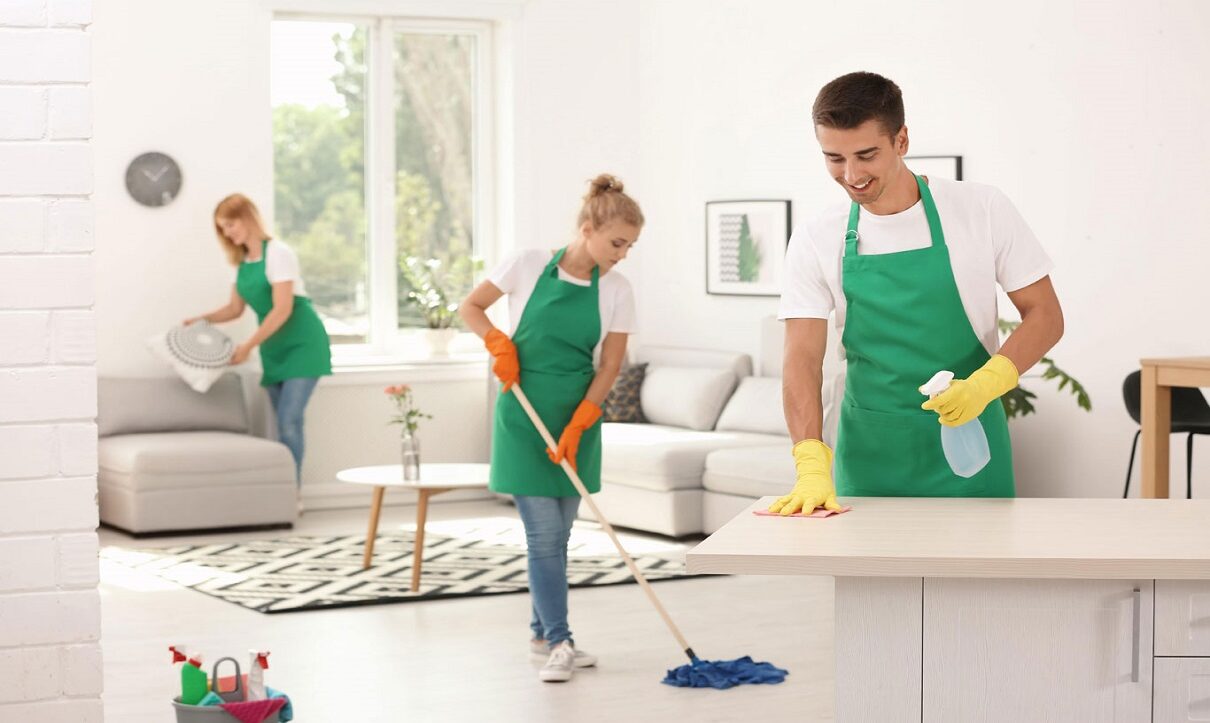
The end of a tenancy can be a busy time for everyone involved. Tenants are trying to move out, landlords want the property returned in good condition, and letting agents often need to arrange inspections, viewings or a quick turnaround for the next occupants.
Cleaning is one of the most common areas where expectations can differ. A tenant may feel the property has been left reasonably clean, while a landlord or agent may compare it against the original inventory, check-in report or professional standard expected before re-letting. This is why clear cleaning standards matter at the end of a tenancy.


First Impressions Affect the Next Let
When a rental property is clean, fresh and well presented, it is much easier to market. Viewings feel more positive, photos look better and prospective tenants can imagine themselves living there.
A property that smells stale, has dirty carpets, greasy kitchen surfaces or marked bathrooms creates the opposite impression. Even if the property is structurally sound, poor cleanliness can make it feel neglected.
For landlords, this can affect how quickly the property is re-let. A delayed clean or missed detail may mean viewings have to be postponed, marketing photos need retaking or the next tenancy starts later than planned.
Inventories Set the Standard
Most deposit disputes around cleaning come down to evidence. The check-in inventory usually records the condition and cleanliness of the property at the start of the tenancy. At the end, the check-out report compares how the property has been returned.
If the property was professionally cleaned before move-in, the landlord or agent may expect it to be returned to a similar standard, allowing for fair wear and tear. If there are clear differences, such as stained carpets, greasy ovens or limescale build-up, deductions may be discussed.
This is why tenants should read their tenancy agreement and inventory carefully before moving out. Understanding the expected standard can prevent confusion later.
Kitchens Usually Need the Most Attention
Kitchens are one of the hardest areas to clean properly at the end of a tenancy. Everyday cooking creates grease, food residue and build-up that may not be obvious until appliances and cupboards are inspected closely.
Common problem areas include:
- Ovens and hobs
- Extractor fans
- Splashbacks
- Cupboard doors and handles
- Fridges and freezers
- Sinks and taps
- Worktops
- Floors and skirting boards
A kitchen may look tidy at first glance but still fail an inspection if appliances are dirty or hidden areas have been missed.
Bathrooms Can Quickly Show Neglect
Bathrooms are another major focus during end-of-tenancy inspections. Limescale, soap marks, mould, hair, water stains and dirty grout can all make a bathroom feel unhygienic.
Even small bathrooms can take time to clean properly because there are so many surfaces and fittings. Toilets, sinks, showers, baths, screens, mirrors, tiles, taps and floors all need attention.
Ventilation issues can also leave mould around ceilings, sealant and window frames. Tenants should report any serious damp or mould concerns during the tenancy, but normal cleaning and surface build-up are usually expected to be dealt with before moving out.
Carpets and Floors Matter
Floors have a big impact on how clean a property feels. Carpets can hold dust, pet hair, stains and odours, while hard floors can show marks, sticky residue or dirt in corners.
High-traffic areas such as hallways, stairs and living rooms often need more attention than bedrooms. If a property has pets, children or heavy use, carpets may need a deeper clean before the property is ready for inspection or new tenants.
Landlords and agents should also consider whether professional carpet cleaning is needed between tenancies, especially in furnished properties or HMOs where rooms may be used heavily.
Cleaning Can Reduce Disputes
Clear cleaning standards help reduce disagreements between tenants and landlords. When everyone understands what is expected, there is less room for confusion.
Tenants can protect themselves by taking photographs after cleaning, keeping receipts for any professional services used and checking the inventory before returning keys. Landlords can protect themselves by documenting the property condition clearly at check-in and check-out.
For landlords, agents and property managers, using reliable end of tenancy cleaning services can help ensure properties are cleaned to a consistent standard before inspections, viewings or new occupants moving in.
Short Turnarounds Need Better Planning
Sometimes there is only a short gap between one tenant leaving and another moving in. In these cases, cleaning needs to be planned carefully.
If the clean is left until the last minute, any missed areas can delay the next tenancy. There may also be other jobs to complete, such as repairs, waste removal, carpet cleaning, gardening or repainting.
A good turnaround plan should include time for inspection, cleaning, maintenance and final checks before the next tenant arrives. This is especially important for portfolio landlords, student properties and managed blocks where multiple move-outs may happen close together.
Final Thoughts
Cleaning standards matter at the end of a tenancy because they affect deposit discussions, property presentation and how quickly the home can be re-let. Kitchens, bathrooms, carpets and high-traffic areas are often the biggest sources of disagreement, so they need proper attention.
For tenants, a thorough clean can help avoid unnecessary disputes. For landlords and agents, clear expectations and consistent cleaning processes can make tenancy changeovers smoother.
A clean property is easier to inspect, easier to market and more welcoming for the next person moving in.