



















































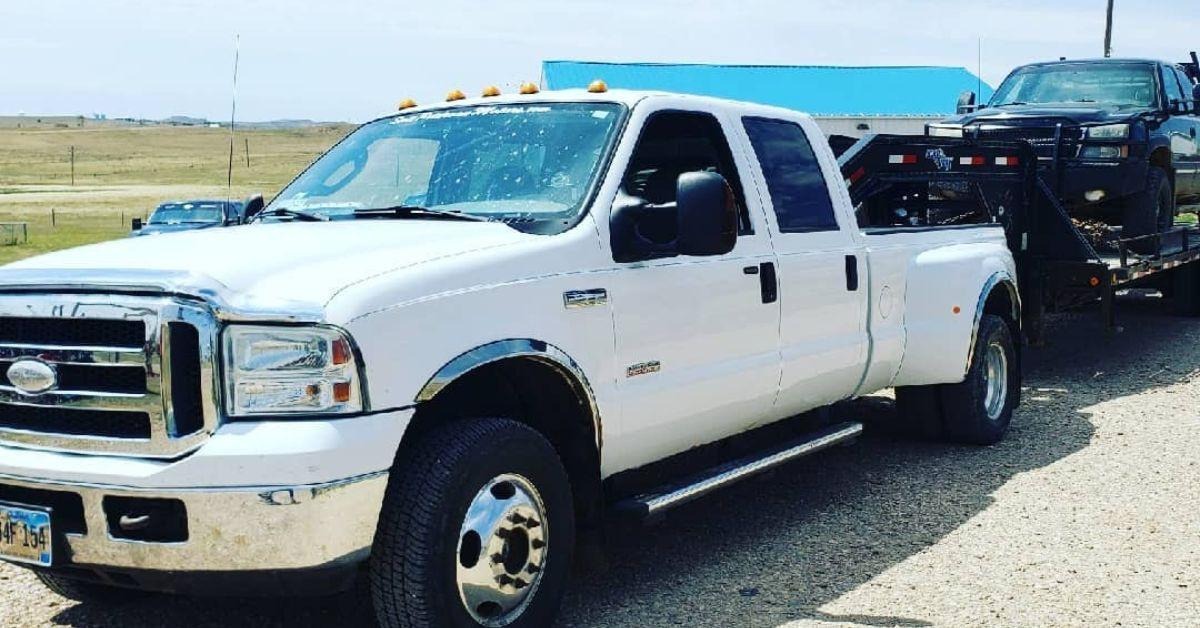
Diesel pickups remain king for heavy-duty tow, because they provide enormous low-end torque, retain that pull power efficiently over long miles, and have drivetrains engineered to pull heavy for long periods of time. A current diesel new-three quarter or one-ton truck delivers 800 to 1,000 lb-ft of torque and hauls 20,000 pounds or more, doing what none of our – and -ton gassers can do with that much weight in tow. If you’re routinely towing a big travel trailer or fifth-wheel or filled up equipment trailer, there’s no comparison in diesel’s favor.
It all depends on the nature of a diesel’s power production and the amount of power it produces. Because torque arrives low down in the rev rangeoften reaching its maximum between 1,600 and 2,000rpmthe heavy goods vehicle really needs it at the start and uphill. The petrol engine needs to spin fast and strain to deliver the same amount of pulling powerwhich costs extra fuel, more heat, greater wear and tear, and the diesel has plenty to spare.


What Makes Diesel Engines Better for Heavy Towing
It’s all about torque when you want to move some weight, and diesels are torque engines by nature. Where horsepower is all about the speed of work, torque is the pounding shove that climbs that trailer up a hill and keeps it there. A 1,000 lb-ft diesel at 1,800 rpm “pounds” that trailer to life without screaming or hanging on the shifter for a gear.
Compare this to our “efficiency gap” story under load. An unloaded gas truck and a diesel might not be so far apart mileage-wise, but hook 15,000 pounds behind each and the story is quite different.
The gas trucks gas mileage suddenly drops to single digits, while the diesel’s stays well above it, thanks to Really it’s making power through compression and torque rather than revs. Over a long tow, that means Quite a bit fewer refueling stops and lower operating cost/mile. Heat remains the silent advantage. Towing places huge thermal loads on diesel powered equipment, and in general diesels are engineered with tougher transmissions and bigger cooling systems, and frequently with exhaust brakes that gasoline machines often do not have.
How Diesel Drivetrains Handle Sustained Loads
A diesel truck is over-engineered only in hidden ways. The engines operate at a lower rpm for a given level of power, This way reducing friction and wear over the many thousands of hard miles that a working truck puts on it. For many years, statistics collected by the trucking business have shown that the economies of a diesel engine in service lasts much longer than in the sale, and that is the only reason it is so popular in incessant towing situations. The supporting hardware is Because of this reinforced.
Heavy-duty diesel trucks possess stronger axles, higher gross combined weight ratings and transmissions More exactly engineered around the torque of the engine, rather than a heavy-duty version of a light truck transmission. A one-ton diesel with the proper setup is capable of hauling a substantial pin weight in the bed and still tug a fifth-wheel that would cripple a half-ton, and the chassis/ suspension is engineered for stability. Owners chasing maximum durability often reinforce these driveline parts further with heavier-duty components from a specialist like Diesel Patriots, particularly on high-mileage trucks that tow at the top of their rating.
Frame and chassis design link it all together. Those trucks that are best at towing large loads have a long wheelbase, large track widths and a trailer-control system as part of their design to keep a large caravan stable in crosswinds and passing layers.
How Towing Needs Differ Across Trailer Types and Users
It’s all how far you are pulling, which is an industrial scale variable. Playing with a 5,000 lb. travel trailer a weekend during camping season, one of the lighter duty trucks and diesel options is more than enough and you never need a one-ton maxxed 4×4 diesel. But the calculations go out the window when you hit the 12,000 lb 5th wheel, horse trailer or car hauler; that is when the diesel’s torque and brakes start to become vital.
The hard core is full-time RVers and work toters. Living behind a big fifth-wheel or pulling daily for work creates the steady grueling back to back load on a truck that will root out any underperformance in anything. To these users a [Power-Stroke] diesel isn’t an option; it’s a requirement to keep the lifestyle or job going without breaking an axle.
Maintenance commitment separates the buyers too. Diesels cost more to service, with pricier oil changes, fuel filters, and emissions-related upkeep, so the engine rewards people who actually use its capability. Owners who want to keep their trucks running strong over hundreds of thousands of towing miles often invest in quality components, and someone shopping for Ford Powerstroke delete kits or other upgrades is usually trying to address the emissions hardware most prone to clogging and failure under heavy load, though that kind of modification carries legal and warranty considerations that vary by state and intended use. The person who tows light and infrequently rarely needs to think about any of this, which is the clearest sign they may not need a heavy diesel in the first place.
What Diesel Towing Costs and Whether It Pays Off
The diesel premium is real and is something to have an understanding of before you buy. Diesel of a new heavy-duty truck is usually between $9,000 and $12,000 more than a gas equivalent. regular maintenance is also higher for the diesel on all parameters. It is not worth it at that $ amount for light-duty users as that may never be paid back in saved fuel or purchased capability. The balance tips back the other way when it comes to heavy, hard-working trucks. Improved fuel efficiency under heavy loads, vastly longer engine life, increased resale value and less overall strain on the drivetrain means the diesel is the smarter, more cost-effective option over a longer term ownership.
Diesel trucks also tend to retain their value more effectivelyand part of the upfront premium gets recouped when you sell, So reducing the true cost of ownership even more. Even show up regional influences. Conditions in the areas you tows differently affect diesel prices and availability, and emissions regulations when varies greatly from state to state.
Also, the type of terrain you tows in multiplies the importanc of diesel characteristics. Nothing is equal for a truck pulling heavy in the mountains for hours and for a city neighbor tows an occasional small towsannual commodity of honest analysis between the two saved the first the expense of a truck with derisor fuel economy and the second the expense of a truck with unnecessarily good fuel economy.