




















































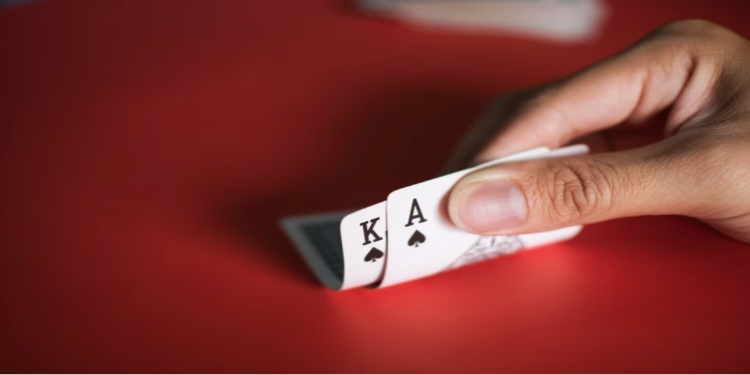
Every blackjack player eventually faces the same dilemma. Do you press the gas and split, or tap the brakes and fold your hand into the discard tray? The line between courage and recklessness is thinner than it looks across the felt.
Good decisions in blackjack are not guesses. They come from understanding odds, reading the table, and respecting your own limits as much as the dealer’s upcard.


Choosing Your Battleground
Before you worry about advanced moves, you need a stable environment. Rules, deck counts, and even how quickly hands are dealt will affect your ability to think clearly. On some modern sites, such as 1red.com, you can see different blackjack formats, table limits, and pace of play, which helps you notice how structure changes your decision making.
The more consistent the conditions are, the easier it becomes to trust the math. If limits are too high or the table feels chaotic, even perfect theory is hard to apply.
The Logic Behind Splitting
Splitting is not a showy move, it is a calculated way to turn one mediocre situation into two better ones. You are buying a second chance to beat the dealer with money you could have left in your stack.
You generally want to split when two things align. First, your pair has strong potential once separated. Second, the dealer is showing a card that suggests they are vulnerable. That combination shifts the long term expectation in your favour.
Here is a simple way to think about common pairs:
- Aces and eights are usually worth splitting in most rule sets
- Tens and face cards are usually better kept together
- Medium pairs like sixes and sevens depend heavily on the dealer’s upcard
- Low pairs rarely deserve extra money unless the dealer is clearly weak
This list is not a substitute for a full basic strategy chart, but it reflects the logic behind when you want more action on the table and when you should keep your risk contained.
Knowing When Folding Is the Smartest Play
Not every hand deserves a heroic rescue attempt. Sometimes the best move is to surrender, or at least refuse to add more chips to a losing position. Folding in this context means recognising that the expected outcome is negative and choosing not to chase.
The idea mirrors what you see in formal game theory. When the payoff landscape is tilted against you, rational players conserve resources for more favourable spots instead of clinging to sunk costs.
In blackjack, that often means refusing to split against a strong dealer upcard, skipping a double down that feels flashy but mathematically weak, or using late surrender when the rules allow it. All three decisions protect your bankroll over long sessions.
Building Your Own Boundaries
Clear boundaries are what keep blackjack enjoyable instead of stressful. Decide beforehand how much of your session budget you are willing to risk on aggressive moves like splits and doubles. Then stick to that ceiling even when the table feels “hot.”
You can also set mental rules, such as walking away after a certain number of consecutive marginal decisions, to avoid playing while tilted. Over time, those personal guidelines matter as much as any chart. They stop one bad hand from turning into a bad night and keep your focus on making strong decisions, not chasing lost outcomes.

David Prior
David Prior is the editor of Today News, responsible for the overall editorial strategy. He is an NCTJ-qualified journalist with over 20 years’ experience, and is also editor of the award-winning hyperlocal news title Altrincham Today. His LinkedIn profile is here.