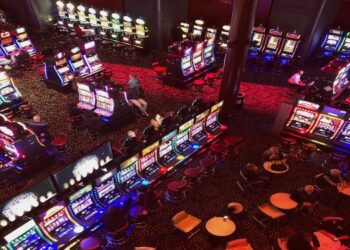






















































Walk onto a busy casino floor and you can feel where the energy gathers. The shuffle of cards, the clack of chips, and the way players lean toward the table all change the mood before a hand is even dealt. A big part of that atmosphere comes from who, or what, is handling the cards.
A human dealer adds small moments that machines cannot copy: eye contact, rhythm, timing, and a slight pause before the reveal. They can also read the room, slow down when players look unsure, or keep the pace moving when everyone knows the rules. That makes the game feel more social, more focused, and less mechanical.


Digital Tables and Crypto‑Friendly Play
As more play moves online, the experience of “shuffling” has shifted into code. Many modern environments support quick deposits, instant payouts and even digital chips that never physically touch a felt table. In that context, some players look for crypto casinos to combine fast transactions with familiar table formats like blackjack or roulette.
Even without a physical deck, timing and presentation still matter. Players usually notice a few details first:
- Card reveals should have a clear rhythm, not appear too abruptly.
- Chip movement needs to feel readable, especially during fast rounds.
- Sound effects should support the table mood without becoming noisy.
- Buttons must respond instantly, so the player feels in control.
- Results should stay visible long enough to understand what happened.
These details do not replace the dealer’s presence, but they help the digital table feel less flat. When the interface gives players enough time to follow the action, the session feels closer to a real table rhythm.
Animations that show cards appearing, chips moving and wheels spinning try to recreate the cadence of a real table. When those elements feel rushed or flat, players often sense that something is missing, even if the underlying math is perfectly sound.
How Automation Alters Human Interaction
When a machine handles the shuffle, the process becomes consistent by design. Card sequences are generated by algorithms and randomness is handled by software built for that exact purpose. This kind of automation can significantly reduce human error and remove suspicions about dealer bias.
The trade‑off is that the table loses a layer of social texture. Players no longer watch a person handle the deck; they watch an interface. Research on automation and human interaction shows that people often trust outcomes more when they can see the process, even if the automated process is statistically more reliable than a human one.
In many service settings, the same pattern appears. Automated systems are efficient, yet customers still value a sense of human presence. The way people respond to automated decision making has been widely studied, especially in contexts where fairness and randomness matter.
What Players Notice, Even If They Cannot Explain It
Most players do not talk about shuffle algorithms or the exact speed of a dealing shoe. They talk about how “alive” a table feels. Small delays before revealing the river card, a short joke from the dealer or a visible hand wash all send subtle signals that the game is under control.
By contrast, a machine that delivers cards at a perfectly even tempo can feel distant. The game may run faster, yet the emotional peaks and valleys flatten out. For anyone designing modern table experiences, the challenge is to keep the precision of automation without losing the little human cues that make a session memorable.

David Prior
David Prior is the editor of Today News, responsible for the overall editorial strategy. He is an NCTJ-qualified journalist with over 20 years’ experience, and is also editor of the award-winning hyperlocal news title Altrincham Today. His LinkedIn profile is here.